⸻
INTRODUCTION — DEPENDENCE FEELS COMFORTABLE… UNTIL IT DOESN’T
Dependency feels normal.
We grow up depending on:
• grocery stores for food
• companies for income
• pharmacies for health
• governments for stability
• digital apps for convenience
• corporations for everything we consume
We were told this was security.
But what happens when the things you depend on:
• raise prices
• fail you
• become unstable
• break down
• disappear overnight
• no longer work in your favor
Suddenly, dependence becomes danger.
And you start to feel something uncomfortable inside you:
“I don’t have control over the most basic parts of my life.”
This article will show you the truth —
and more importantly, how to break out.
But first…
⸻
Before you continue, download the Grow Your Groceries Starter Guide.
It’s a simple blueprint that shows you how to take the first step out of dependence — by growing your own food in ANY space.
⸻
PART 1 — DEPENDENCE IS EXPENSIVE, IN WAYS YOU DON’T NOTICE
Let’s break down the hidden costs of dependency.
1. The Financial Cost
When you depend on stores for every calorie:
• you are at the mercy of inflation
• your grocery bill rises every month
• you pay whatever price they choose
• you have no bargaining power
• you can’t control quality
Dependency is expensive because dependence removes choice.
2. The Emotional Cost
If you’ve ever felt anxious about:
• grocery prices
• layoffs
• unstable work
• rising costs
• economic uncertainty
…that’s dependency showing its teeth.
Dependence feels safe…
until the world shakes.
3. The Health Cost
Store-bought food:
• is less nutrient dense
• travels thousands of miles
• loses vitamins quickly
• is sprayed with chemicals
• is harvested too early
• is grown for shelf life, not nutrition
Dependency steals your energy without you realizing it.
4. The Time Cost
Dependency means:
• more trips to the store
• more scrolling for deals
• more time managing expenses
• more mental load
Dependency makes your life busier, but not better.
5. The Identity Cost
Depending on systems for everything disconnects you from:
• confidence
• self-trust
• creativity
• intuition
• resourcefulness
• ancient human skills
Dependency makes people feel helpless without knowing why.
⸻
PART 2 — THE SYSTEM NEVER TEACHES YOU HOW TO BE INDEPENDENT
Ask yourself:
Why were you taught:
• math
• science
• geography
• grammar
• history
…but NOT taught:
• how to grow food
• how to reduce your reliance on the system
• how to store food
• how to create a resilient life
• how to manage emotional stress
• how to produce anything essential
• how to build self-sufficiency
Because dependent people are predictable.
Dependent people are profitable.
Dependent people don’t rebel.
Dependency is not an accident —
it is designed.
But here’s the good news:
You can break the entire cycle with the smallest, simplest acts of self-sufficiency.
⸻
If this article is waking something inside you, follow FromDirtToDreams on Instagram, Facebook, Pinterest, TikTok & YouTube for daily self-sufficiency inspiration that helps you take back control of your life.
⸻
PART 3 — HOW DEPENDENCE MAKES YOUR LIFE FRAGILE
Here’s where we get deeply educational.
A fragile life is one where…
• one paycheck can break you
• one emergency can drown you
• one storm empties the shelves
• one layoff collapses your plans
• one price increase shatters your budget
• one supply chain delay causes panic
• one medical event causes debt
• one economic shift destabilizes everything
Dependency creates a life that can break at the smallest pressure.
Self-sufficiency creates a life that bends — but does not break.
⸻
PART 4 — HOW SELF-SUFFICIENCY BREAKS THE DEPENDENCE LOOP
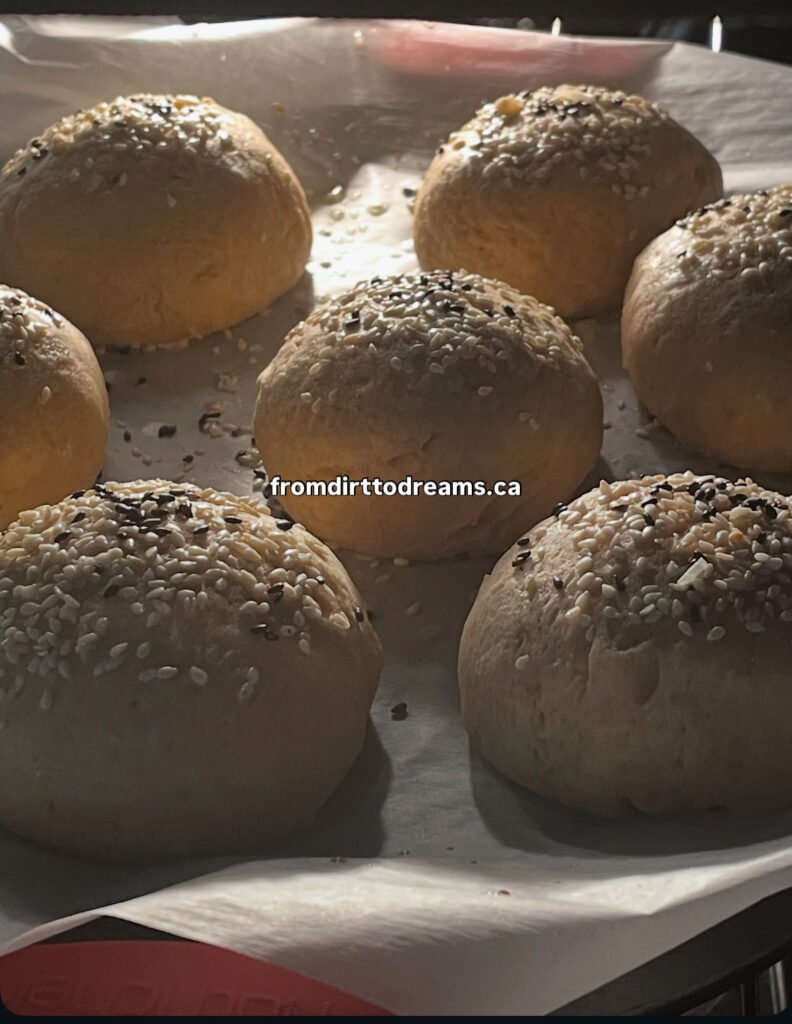
You don’t need to become fully off-grid.
You simply need to take back control over one piece of your survival at a time.
1. Grow some of your own food
Even 10% self-grown food changes your entire energy.
• less panic
• less financial stress
• less fear
• more confidence
• more stability
• more resilience
2. Build skills that reduce dependence
Skills = freedom.
Learn one skill a month:
• composting
• growing leafy greens
• preserving food
• making cleaners
• fermenting
• growing herbs
• storing potatoes
• planting garlic
• dehydrating fruits
• harvesting rainwater
Each skill you gain is a chain broken.
3. Learn to preserve food
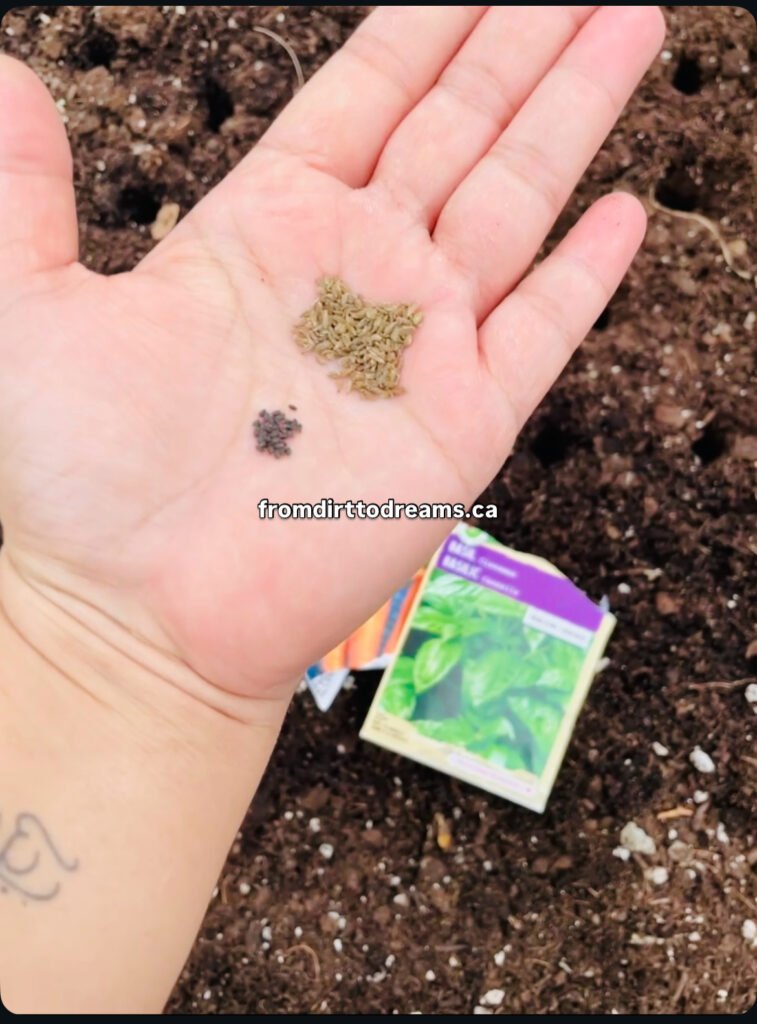
This is where power multiplies:
• freeze
• dehydrate
• water-bath can
• ferment
• pickle
Preserved food = emotional security.
4. Grow perennial foods
These foods come back every year without your effort:
• raspberries
• blueberries
• strawberries
• chives
• mint
• oregano
• rhubarb
• fruit trees
Perennials break lifelong dependence.
5. Create a mini pantry system
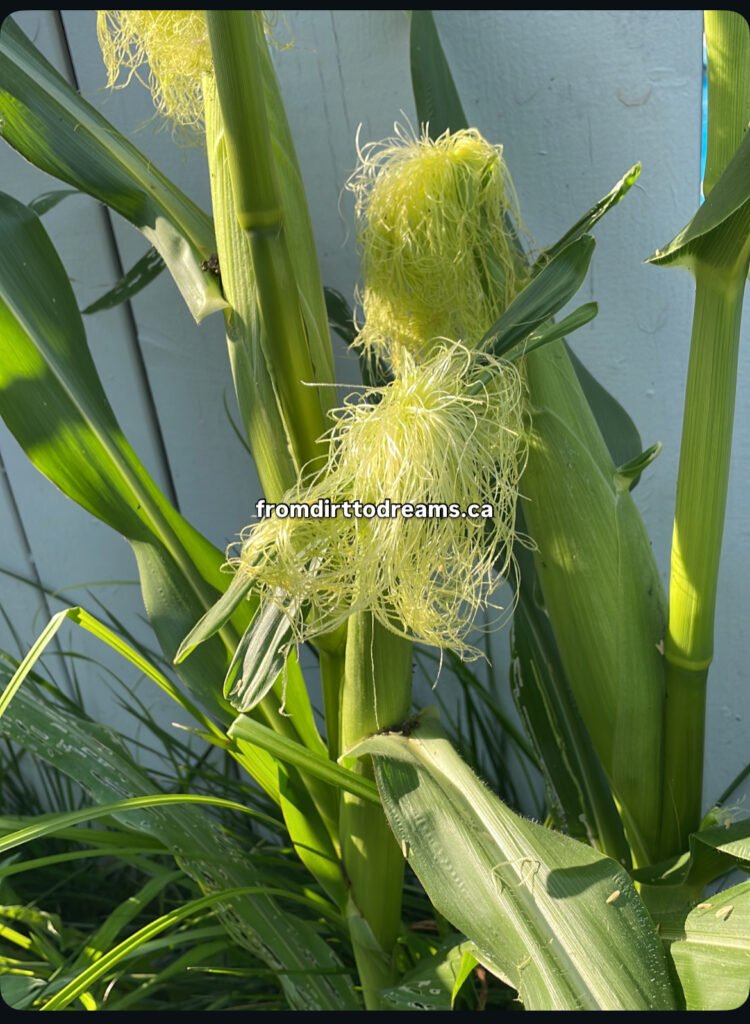
When you store:
• potatoes
• onions
• garlic
• beans
• herbs
• grains
You’re no longer living week to week.
You’re stable.
You’re secure.
You’re calm.
⸻
PART 5 — THE PSYCHOLOGY OF FREEDOM (WHAT PEOPLE DON’T EXPECT)
Self-sufficiency doesn’t just change your life.
It changes you.
1. You stop being scared of the future.
Because you have the skills to survive it.
2. You feel grounded again.
Your nervous system stops living in panic mode.
3. You stop feeling helpless.
Because you can produce instead of only consuming.
4. You start trusting yourself.
Your hands become your strength.
5. You heal old wounds.
Growing food reconnects you to your roots — literally and emotionally.
Dependency makes people anxious.
Self-sufficiency makes people powerful.
⸻
PART 6 — WHAT YOU CAN START WITH TODAY (ZERO COST + ZERO EXPERIENCE)
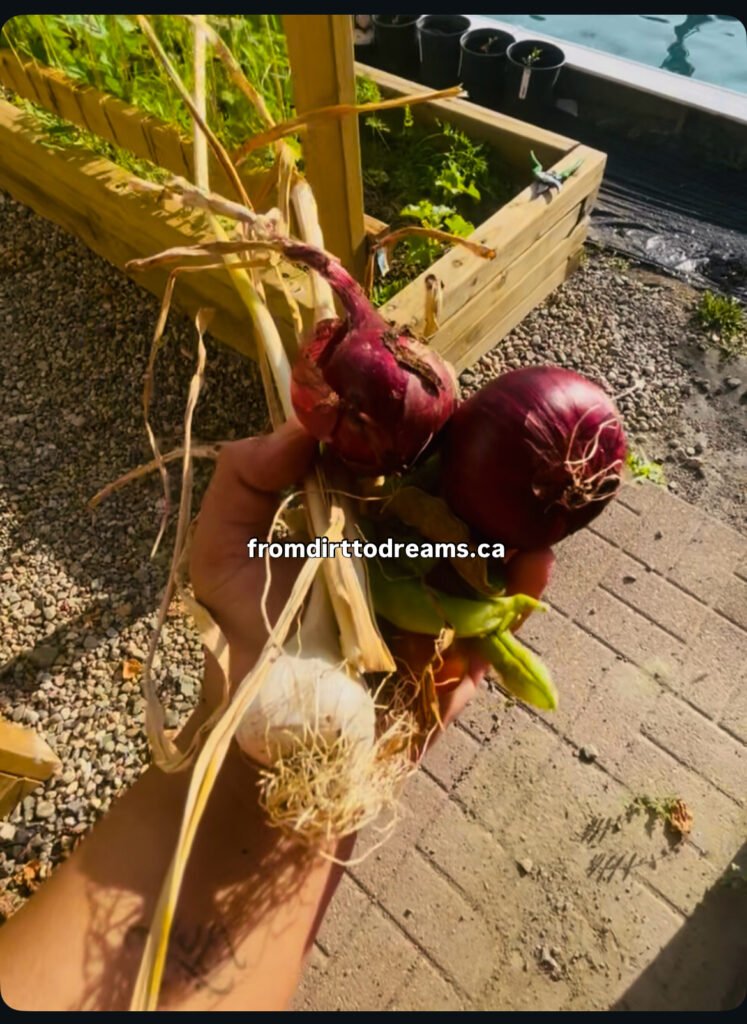
Here are the easiest ways to break dependence TODAY:
🌱 1. Regrow green onions
Place store-bought roots in water → infinite onions.
🌱 2. Plant garlic in a pot
One clove → 10 cloves.
🌱 3. Save seeds
Tomatoes, peppers, herbs — free future food.
🌱 4. Make your own herb salt
Dry herbs on paper → crush → store.
Months of flavor.
🌱 5. Start compost from kitchen scraps
Even in a small bucket.
🌱 6. Collect leaves outside
Nature’s best fertilizer — 100% free.
You don’t need money to start.
You need willingness.
⸻
PART 7 — WHAT HAPPENS TO YOUR LIFE WHEN YOU BREAK THE CYCLE
You feel:
• lighter
• safer
• calmer
• more confident
• more capable
• more grounded
• more independent
And your life becomes:
• cheaper
• healthier
• more stable
• more meaningful
• more peaceful
Self-sufficiency is not about escaping society.
It’s about escaping fragility.
It’s not about leaving the world.
It’s about no longer fearing it.
⸻
CONCLUSION — DEPENDENCE IS A COST YOU CAN’T AFFORD ANYMORE
Dependency steals:
• your energy
• your money
• your confidence
• your identity
• your peace
Self-sufficiency returns all of it.
You don’t need to change your entire life.
You just need to start.
One pot.
One herb.
One garlic clove.
One seed.
One skill.
One step.
You break the cycle the moment you decide you’re done being powerless.
Because the opposite of dependence…
is freedom.
And freedom grows quietly — in soil, in seeds, and in you.
⸻
👉 Download the Grow Your Groceries Starter Guide — your first step toward breaking dependence and building a self-sufficient life.
👉 Bookmark this website — new articles drop weekly on food freedom, resilience, and self-sufficiency.
👉 Follow FromDirtToDreams on Instagram, Facebook, Pinterest, TikTok & YouTube for daily self-sufficient living tips.
👉 Now read the next article:
“Why Food Freedom Is the New Wealth.”
Leave a Reply