A Complete Beginner Guide for Cold Climates
Growing your own food no longer feels like a hobby — for many people, it’s becoming a form of security.
With grocery prices rising, food quality declining, and stress levels increasing, more people are looking at their backyards not as decoration, but as opportunity. The good news is that you don’t need acres of land or farming experience to grow a meaningful amount of food.
Even a small backyard can become a productive food forest when designed intentionally.
This guide walks you through exactly how to turn a modest backyard into a thriving, low-maintenance food system — especially in cold climates like Canada.
⸻
What Is a Backyard Food Forest?
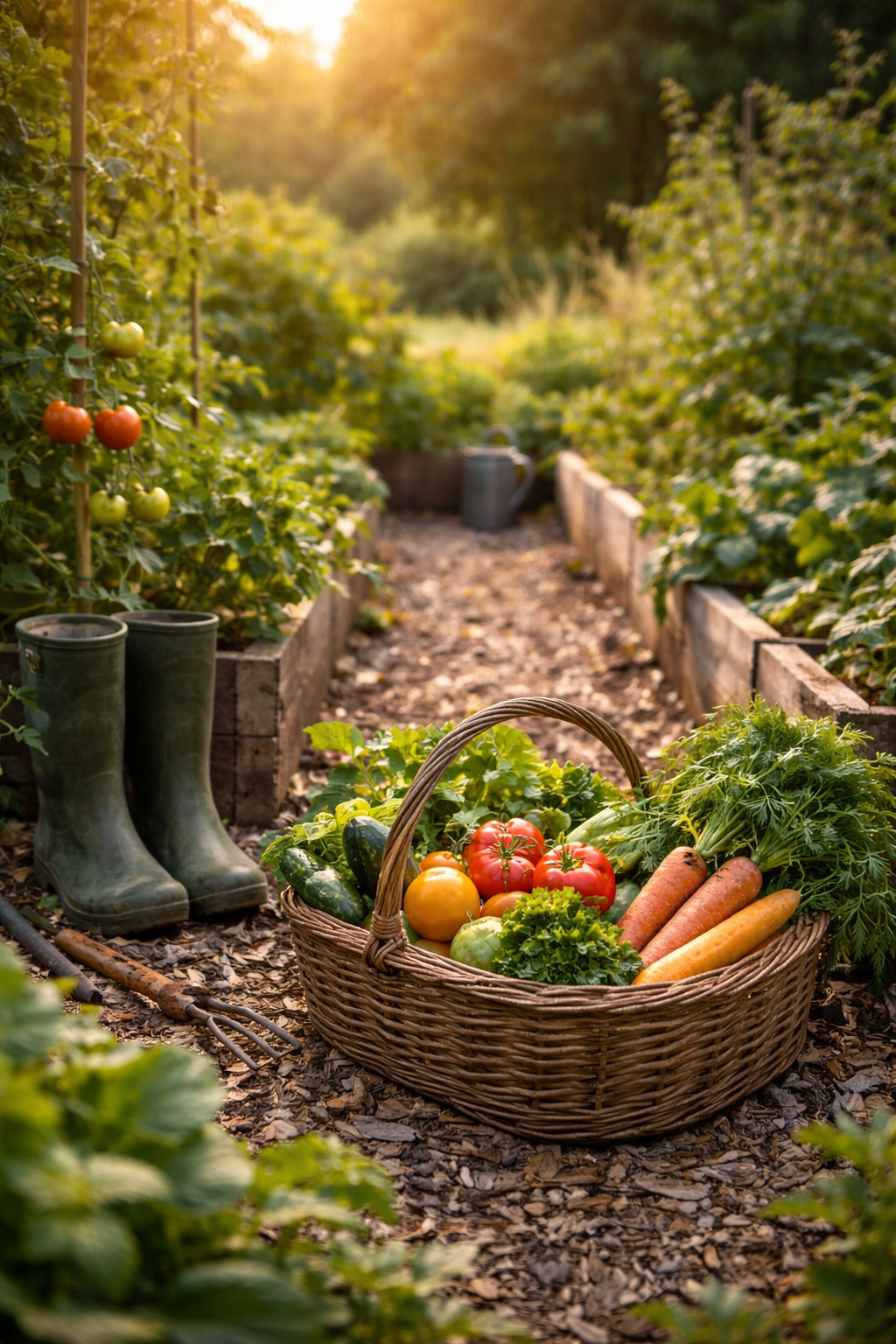
A food forest is a garden designed to mimic the structure of a natural forest while producing food. Instead of planting in rows or isolated beds, plants are layered so they support each other.
A true food forest:
• Uses multiple layers of plants
• Includes perennials and annuals
• Requires less maintenance over time
• Produces food year after year
The goal isn’t perfection — it’s resilience.
When plants work together, the system becomes stronger, more productive, and easier to manage.
⸻
Why a Food Forest Works Better Than Traditional Gardening
Traditional gardening often relies on:
• Heavy watering
• Frequent weeding
• Seasonal replanting
• Fertilizers and inputs
A food forest works differently.
Because it mimics nature, it:
• Retains moisture better
• Improves soil health naturally
• Reduces weeds through ground cover
• Becomes more productive each year
For people with limited time, energy, or mobility, this approach is far more sustainable.
⸻
Can You Build a Food Forest in a Small Backyard?
Yes — absolutely.
A food forest does not require a large space. It requires layers, not land.
Small backyards actually benefit from food forests because:
• Vertical growing maximizes space
• Perennials reduce yearly work
• Dense planting improves soil and yields
• Edges and corners are used efficiently
Even a suburban backyard can support fruit trees, berries, herbs, vegetables, and climbing plants.
⸻
The 7 Layers of a Backyard Food Forest
You don’t need all layers on day one, but understanding them helps you plan long-term.
1. Canopy Layer (Tall Trees)
These are your tallest trees and long-term producers.
Examples for cold climates:
• Apple trees
• Pear trees
• Plum trees
In small yards, choose dwarf or semi-dwarf varieties.
⸻
2. Sub-Canopy Layer (Small Trees)
These sit below the canopy and still produce generously.
Examples:
• Dwarf cherry trees
• Serviceberry
• Multi-grafted fruit trees
⸻
3. Shrub Layer
This is where food forests shine in small spaces.
Examples:
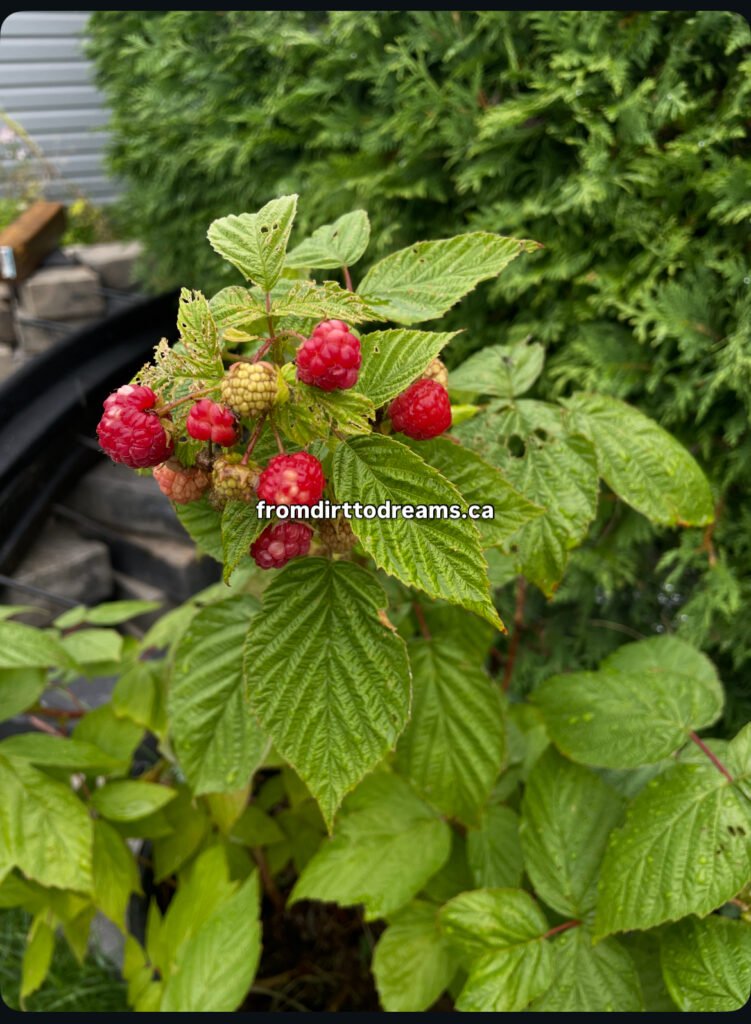
• Raspberries
• Blackberries
• Blueberries
• Currants
Berry bushes produce heavily and require little maintenance once established.
⸻
4. Herbaceous Layer
These plants protect soil, attract pollinators, and provide food and medicine.
Examples:
• Chives
• Mint
• Oregano
• Dill
• Lemon balm
• Cilantro
Many herbs return every year and spread naturally.
⸻
5. Ground Cover Layer
Ground covers reduce weeds, retain moisture, and protect soil.
Examples:
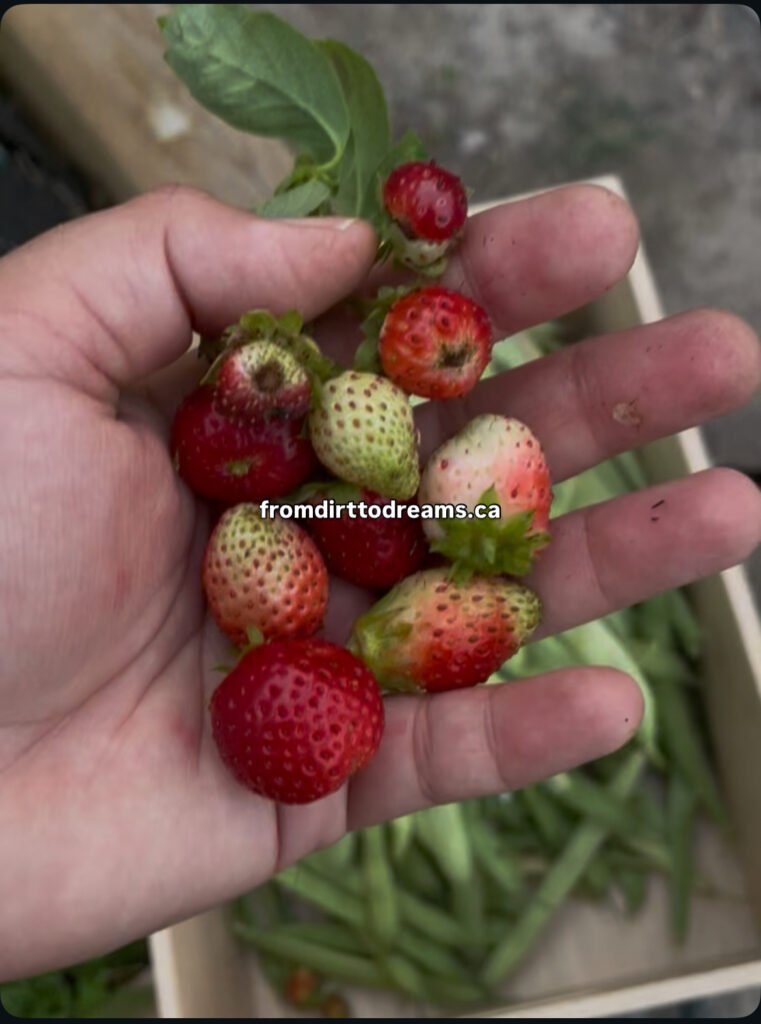
• Strawberries
• Creeping thyme
• Low-growing herbs
This layer is critical for reducing maintenance.
⸻
6. Root Layer
These are underground food producers.
Examples:
• Garlic
• Potatoes
• Carrots
• Beets
• Onions
Root crops thrive in loose, well-mulched soil.
⸻
7. Vertical Layer (Climbers)
Vertical growing is essential in small backyards.
Examples:
• Peas
• Beans
• Grapes
• Cucumbers
These plants use fences, trellises, or walls instead of ground space.
⸻
Choosing Plants for Cold Climate Food Forests (Zone 4–5)
If you live in Canada or a similar climate, plant selection matters.
Reliable cold-hardy options include:
• Apples (Honeycrisp, Cortland)
• Pears (Bartlett)
• Raspberries and blackberries
• Garlic (hardneck varieties)
• Peas and beans
• Potatoes
• Kale and spinach
• Chives, mint, oregano
Always check your local hardiness zone before planting.
⸻
How to Design Your Backyard Food Forest Layout
You don’t need a blueprint — just a few guiding principles.
Step 1: Observe Sun and Shade
• Place taller trees north or northwest
• Keep sun-loving plants in full sun areas
• Use shade-tolerant plants under trees
⸻
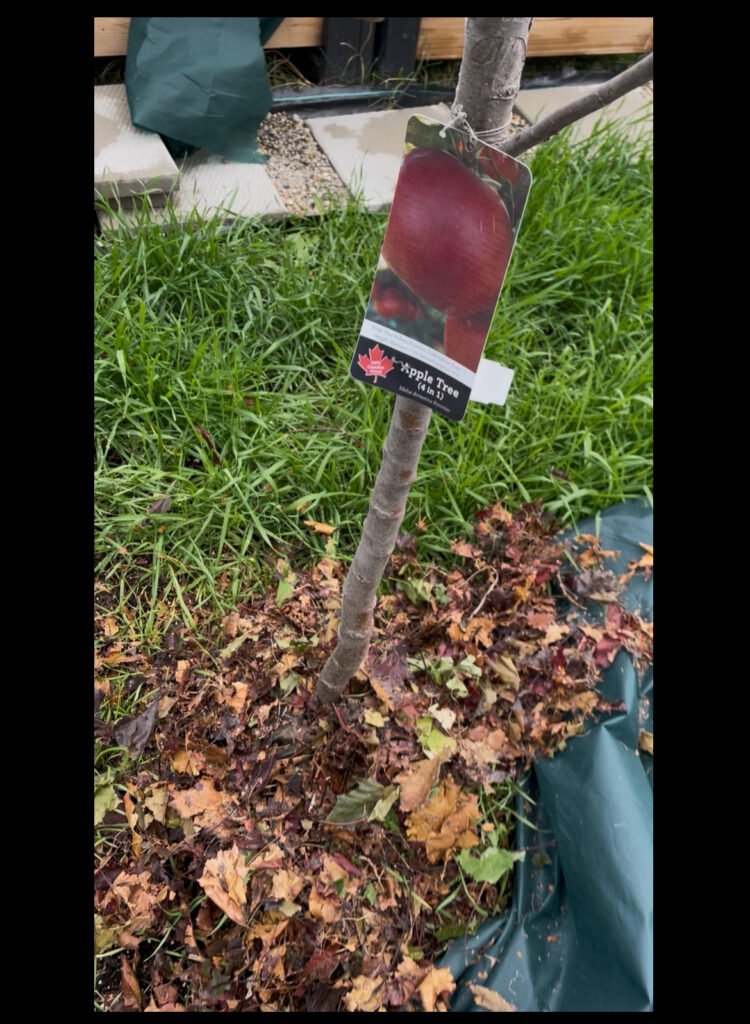
Step 2: Start with Trees First
Trees take the longest to mature. Plant them early, even if the rest comes later.
You can build the forest around them over time.
⸻
Step 3: Use Edges and Borders
Plant berries, herbs, and ground covers along:
• Fences
• Walkways
• Property edges
These areas are often underused.
⸻
Step 4: Mulch Everything
Mulch is essential.
Benefits:
• Retains moisture
• Improves soil
• Suppresses weeds
• Feeds soil life
Use wood chips, leaves, straw, or cardboard under mulch.
⸻
Year-One Planting Strategy (Simple & Realistic)
You don’t need to plant everything at once.
Year 1 Focus:
• 1–2 fruit trees
• 2–4 berry bushes
• Garlic, potatoes, peas, beans
• A few herbs
This alone can produce meaningful harvests.
⸻
Month-by-Month Maintenance Overview
Early Spring
• Clean debris
• Prune trees
• Add compost
Late Spring
• Plant cool-weather crops
• Mulch heavily
Summer
• Water deeply
• Harvest regularly
• Observe plant interactions
Fall
• Plant garlic
• Add mulch
• Protect young trees
Winter
• Plan improvements
• Order seeds
• Rest
⸻
Common Mistakes to Avoid
• Planting too many annuals
• Ignoring mulch
• Overcrowding without airflow
• Expecting instant results
• Giving up after the first year
Food forests improve with time.
⸻
How Much Food Can You Really Grow?
Even a small backyard can produce:
• Pounds of potatoes and garlic
• Continuous herbs
• Berries for months
• Fresh greens weekly
• Fruit within 2–3 years
The real value is not just quantity — it’s consistency and independence.
⸻
Why Food Forests Support Mental Health
Working with living systems:
• Reduces stress
• Encourages patience
• Builds confidence
• Creates routine
• Reconnects you with natural rhythms
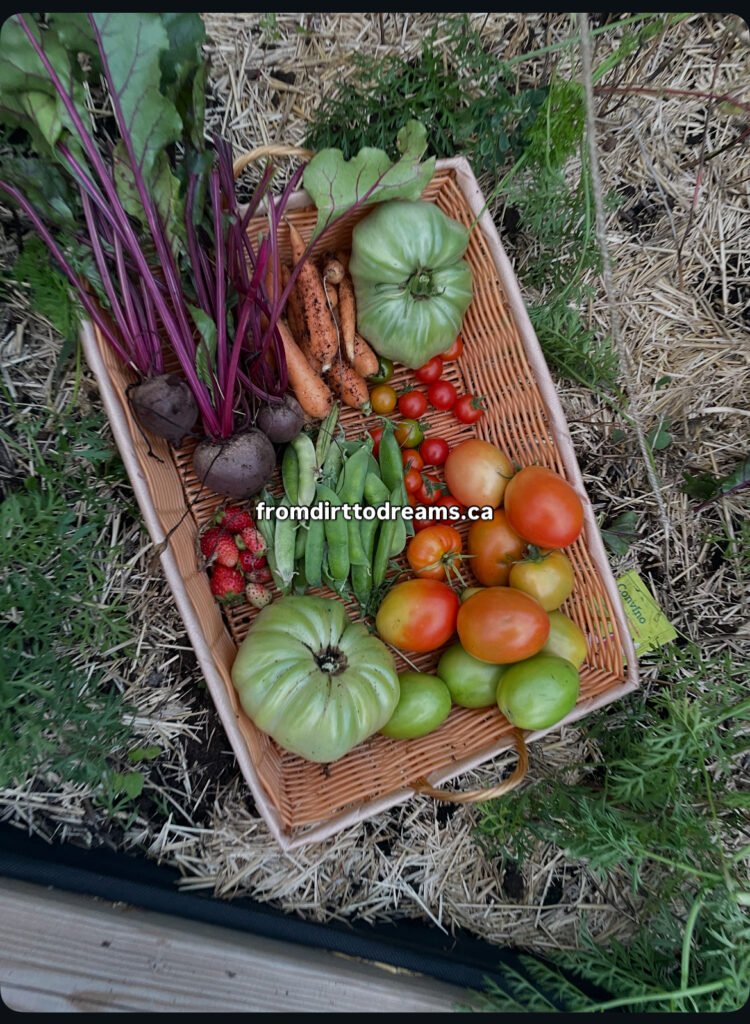
Many people discover that growing food is as healing as it is practical.
⸻
Final Thoughts
A backyard food forest isn’t about becoming self-sufficient overnight.
It’s about:
• Reducing dependence
• Building resilience
• Creating abundance slowly
• Reconnecting with what matters
You don’t need perfection.
You don’t need experience.
You only need to plant something — and keep going.
⸻
👉 Download the Grow Your Groceries Starter Guide — your blueprint to food freedom in any Canadian home.
👉 Bookmark this website — new food security & self-sufficiency articles release weekly.
👉 Follow FromDirtToDreams on Instagram, Facebook, Pinterest, TikTok & YouTube for DAILY food-freedom content.
👉 Next Article Coming Up
Leave a Reply