⸻
INTRODUCTION — MOST PEOPLE DON’T START BECAUSE THEY THINK IT’S EXPENSIVE. IT ISN’T.
There’s a myth that self-sufficiency requires:
• acres of land
• thousands of dollars
• fancy tools
• a greenhouse
• a homestead
• quitting your job
• tons of free time
No.
That’s not the modern self-sufficient life.
The truth?
Self-sufficiency begins with whatever you have right now —
your small backyard, your cement patio, your balcony, your kitchen, your windowsill, your time after work, your weekends, your ordinary life.
You don’t need a lot of money.
You need intention, not income.
Consistency, not perfection.
Courage, not equipment.
And once you start, everything in your life shifts —
your stress levels, your finances, your identity, your confidence, your future.
You realize:
Freedom was never something to buy.
It was something to grow.
⸻
Before we dig in: download your Grow Your Groceries Starter Guide — it’s the exact beginner roadmap that teaches you how to start self-sufficiency on a budget, even in a small space.
⸻
PART 1 — WHY SELF-SUFFICIENCY IS A BUDGET STRATEGY, NOT A LUXURY
People think gardening is expensive.
But you know what’s expensive?
Groceries.
Inflation.
Steak.
Lettuce.
Avocados.
Chicken.
Spinach.
Garlic.
Herbs.
Berries.
Basic pantry items.
The average Canadian household now spends $12,000–$16,000 per year on groceries.
Self-sufficiency isn’t a hobby.
It’s a financial rebellion.
Even a small garden reduces your grocery bill dramatically.
Here’s what shocked me…
⸻
PART 2 — THE MIND-BLOWING ECONOMIC MATH OF GROWING YOUR OWN FOOD
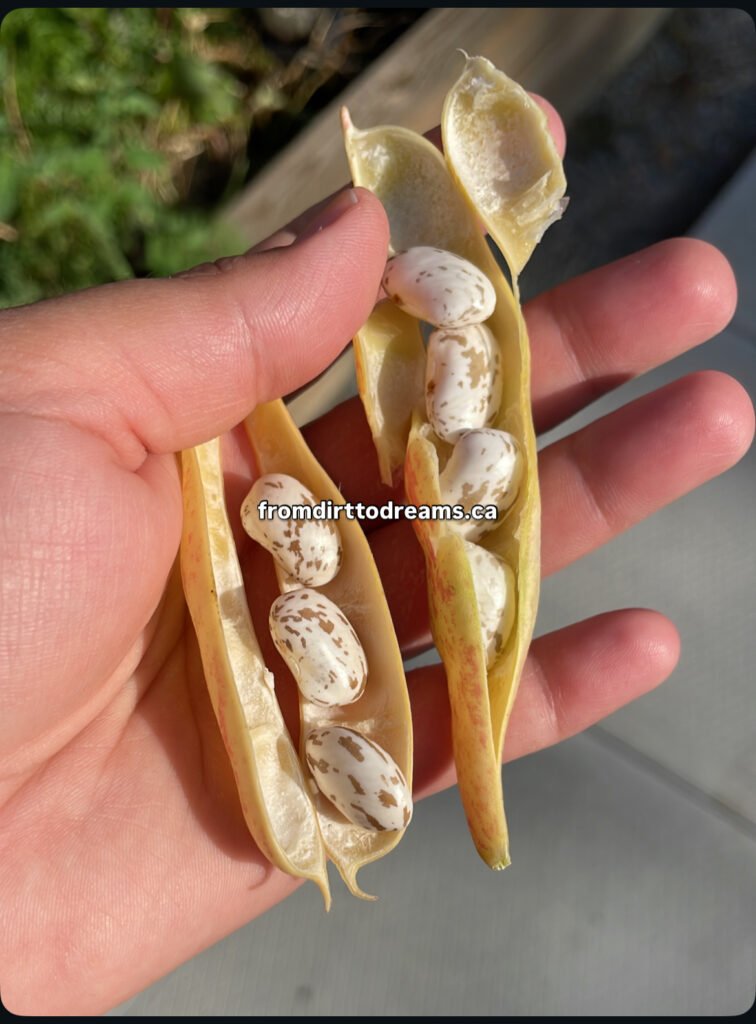
Here’s what $10 of seeds can produce:
$3 spinach seeds → $80–$120 worth of food
Spinach grows in cold weather and regrows after cutting.
$4 potato seed bag → $150–$300 worth of potatoes
One potato becomes 10 potatoes.
$2 garlic → $30–$50 worth of garlic bulbs
Garlic multiplies powerfully.
$4 lettuce seeds → unlimited cut-and-come-again harvests
Lettuce regrows endlessly.
$5 herb seeds → $100–$180 worth of herbs
Mint, dill, oregano — extremely high ROI.
One $12 raspberry cane → $60/year every year
Perennial crops are the cheapest long-term food source.
Food self-sufficiency is the cheapest way to survive an expensive world.
⸻
PART 3 — THE BIGGEST MYTH: “I NEED A LOT OF TIME”
False.
Most self-sufficient skills require:
• 10 minutes a day
• 15 minutes every few days
• One hour on weekends
Nature does the heavy lifting.
The soil doesn’t rush you.
The plants don’t demand.
The garden grows while you sleep.
Self-sufficiency isn’t a second job.
It’s a slower rhythm of living.
⸻
If this guide is opening something inside you, follow FromDirtToDreams on Instagram, Facebook, Pinterest, TikTok & YouTube — I share daily food freedom, gardening, and small-space self-sufficiency lessons created for busy people.
⸻
PART 4 — THE 5-STEP PLAN TO START A SELF-SUFFICIENT LIFE ON A TIGHT BUDGET
This is where the educational portion becomes powerful and practical.
STEP 1 — Start With the 7 “High Value” Crops
Grow the foods that:
✔ cost the most
✔ grow the easiest
✔ give the biggest returns
The 7 Beginner Power Crops:
1. Potatoes
2. Garlic
3. Spinach
4. Lettuce
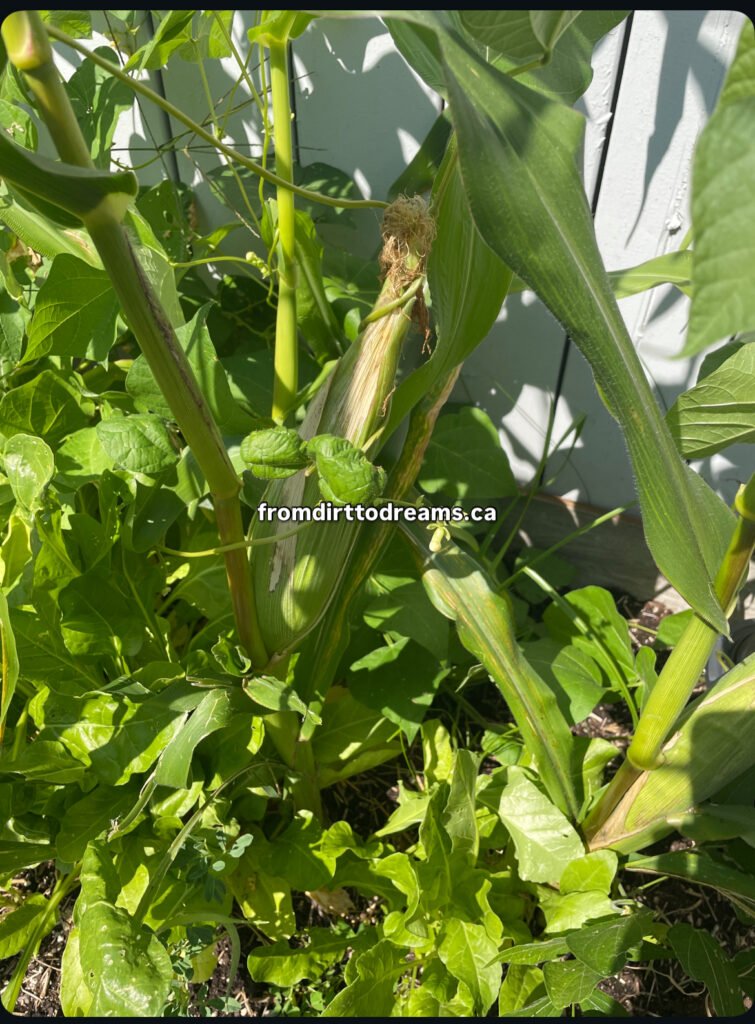
5. Beans
6. Radish
7. Herbs (mint, cilantro, dill)
These require no experience, no fancy equipment, and almost no daily work.
⸻
STEP 2 — Use Free or Cheap Containers
Self-sufficiency doesn’t require raised beds.
Use what you have:
• Buckets
• Old pots
• Plastic bins
• Food-grade tubs
• Laundry baskets
• Recycled containers
• 5-gallon pails
• Grow bags ($2-$3 each)
If it holds soil and drains water, it grows food.
⸻
STEP 3 — Build Soil on a Budget (FREE if Needed)
Healthy soil = healthy harvests.
But you don’t need expensive mixes.
Cheap soil systems:
✔ Combine cheap garden soil + compost
✔ Add leaves, grass clippings, eggshells
✔ Use kitchen scraps to make compost
✔ Add coffee grounds from Starbucks (free)
✔ Collect fall leaves (nature’s fertilizer)
Soil science is the foundation of cheap gardening.
⸻
STEP 4 — Grow Perennial Food (It Comes Back Every Year)
This is the smartest long-term strategy.
Plant once → harvest for years → almost zero maintenance.
Perennial foods for small spaces:
• Raspberries
• Blackberries
• Blueberries
• Strawberries
• Rhubarb
• Mint
• Chives
• Oregano
• Lemon balm
• Fruit trees (apple/pear/plum)
Perennials = the highest ROI in the entire garden.
⸻
STEP 5 — Learn ONE New Skill Per Month
Self-sufficiency is built slowly.
Each month, learn one new micro-skill:
• month 1: composting
• month 2: soil health
• month 3: growing leafy greens
• month 4: food preservation
• month 5: perennial planting
• month 6: water collection & storage
In one year, you’ll know more than most people learn in a lifetime.
⸻
PART 5 — WHAT YOU CAN DO WITH $0 TODAY
If you’re broke or starting from scratch, do this right now:
🌱 1. Regrow green onions from store scraps
Infinite food.
ZERO dollars.
🌱 2. Dry mint using a sunny window
Homegrown herbs → expensive in stores.
🌱 3. Start seeds in egg cartons
Free containers.
🌱 4. Use kitchen scraps as fertilizer
Nutrients for free.
🌱 5. Collect fall leaves
Mulch for the entire year.
🌱 6. Propagate mint and rosemary
Free plants forever.
These zero-dollar habits build a self-sufficient life one step at a time.
⸻
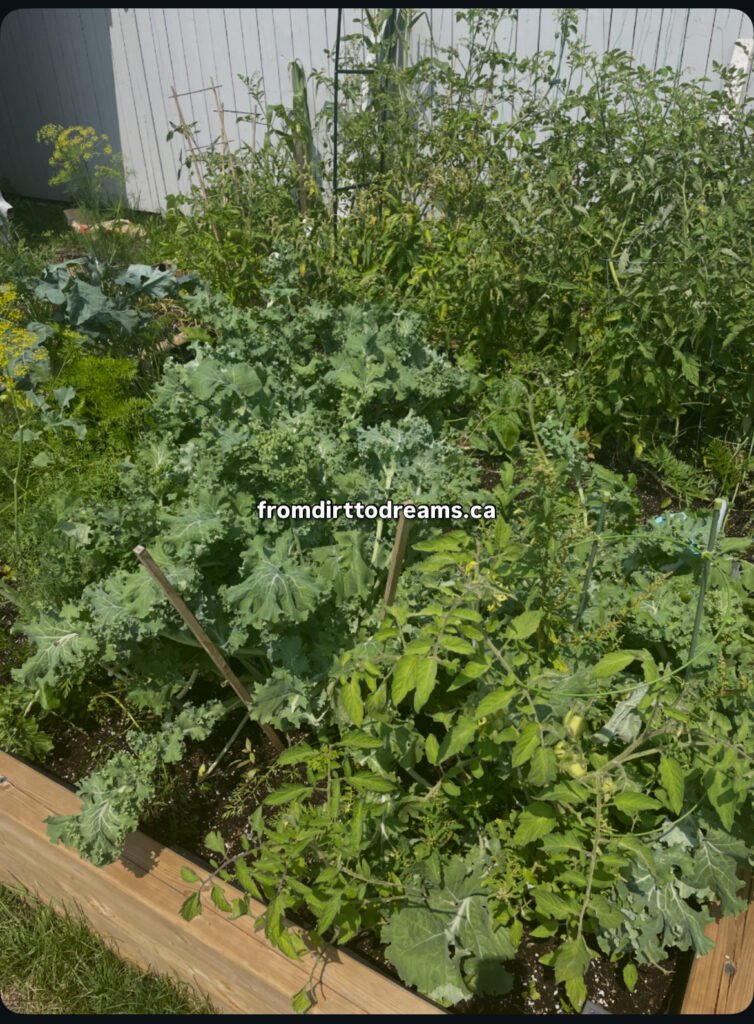
PART 6 — WHAT YOU CAN DO WITH $20
This is the most life-changing $20 you’ll ever spend:
• $3 spinach seeds
• $4 potato seeds
• $2 garlic
• $3 lettuce seeds
• $4 herb seeds
• $4 bucket or container
This $20 setup can produce over $300 of food.
That’s a 15× return.
Better than crypto.
Better than stocks.
Better than savings accounts.
Growing food is the smartest investment beginner self-sufficiency allows.
⸻
PART 7 — WHAT YOU CAN DO WITH $100
With $100, you can become partially food self-sufficient:
• 1 fruit tree ($40)
• 2 berry bushes ($20–$30)
• Seeds ($10–$15)
• Soil + compost ($10–$20)
Lifetime food from this investment?
$5,000–$10,000 over the next 20–30 years.
Financial freedom is quieter than we think.
It looks like:
• apple blossoms
• raspberry canes
• mint spreading
• garlic popping through mulch
• spinach surviving winter
• potatoes multiplying underground
This is wealth.
⸻
PART 8 — THE EMOTIONAL SIDE OF SELF-SUFFICIENCY
Let’s talk about something no one tells you.
Self-sufficiency doesn’t just help your finances.
It helps your mind.
It gives you:
• Calm
• Control
• Purpose
• Identity
• Stability
• Hope
When life feels chaotic…
the garden becomes a safe place.
When you feel powerless…
growing food gives power back.
When the world feels heavy…
the soil makes you feel grounded again.
You don’t need therapy to start healing —
you just need to touch the earth that remembers you.
⸻
PART 9 — A SELF-SUFFICIENT LIFE IS NOT BUILT IN A YEAR. BUT IT CAN START TODAY.
This life is built in layers.
Let go of:
• perfection
• comparison
• overwhelm
And embrace:
• consistency
• small steps
• simple habits
• seasonal learning
You’re not building a farm.
You’re building freedom.
Quietly.
Slowly.
Intentionally.
And one day, you’ll realize:
Your backyard feeds you.
Your skills protect you.
Your life is more resilient than you ever imagined.
Not because you had money.
But because you had courage.
⸻
🌱 CONCLUSION — SELF-SUFFICIENCY IS THE LIFE YOU WERE ALWAYS MEANT TO LIVE
A budget doesn’t limit self-sufficiency.
It actually strengthens it.
Because when you learn how to build resilience with almost nothing —
you become unstoppable when you have more.
The world may stay unstable.
But you don’t have to be.
You can grow stability.
You can grow safety.
You can grow peace.
You can grow food.
You can grow yourself.
And that is priceless.
⸻
👉 Download the Grow Your Groceries Starter Guide — your simple, powerful roadmap to begin self-sufficiency on any budget.
👉 Bookmark this website — new self-sufficiency articles arrive every week to help you build a resilient, peaceful life.
👉 Follow FromDirtToDreams on Instagram, Facebook, Pinterest, TikTok & YouTube — daily gardening, resilience, and food freedom content.
👉 Now read the next article:
“How Urban Gardening Became the Rebellion of Our Generation.”
Leave a Reply