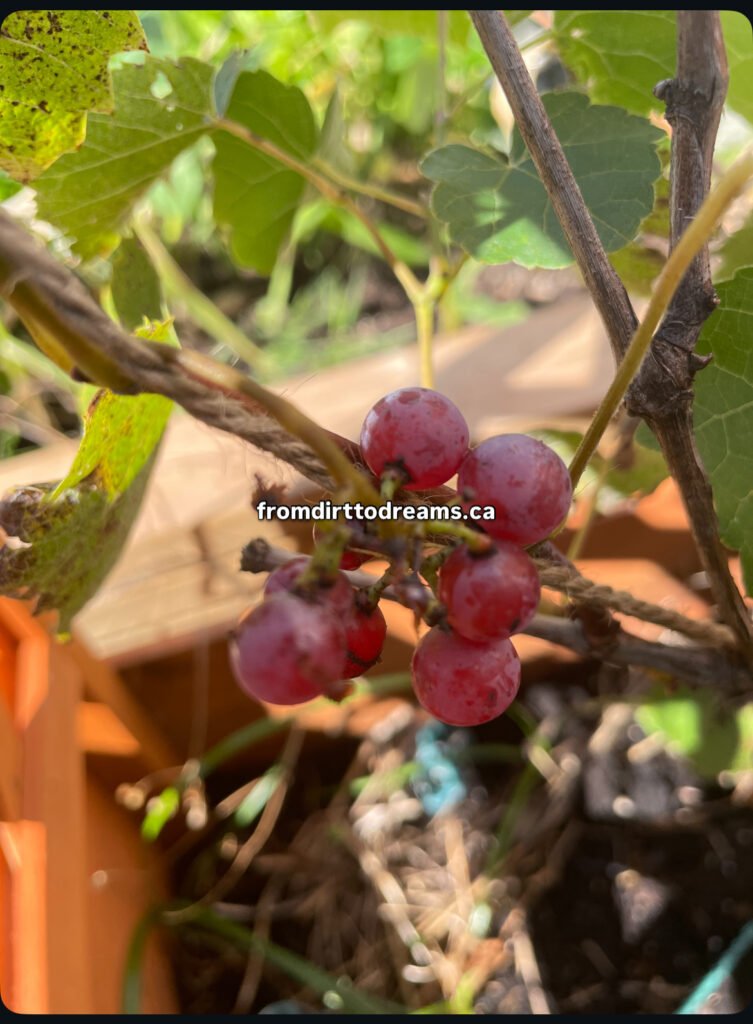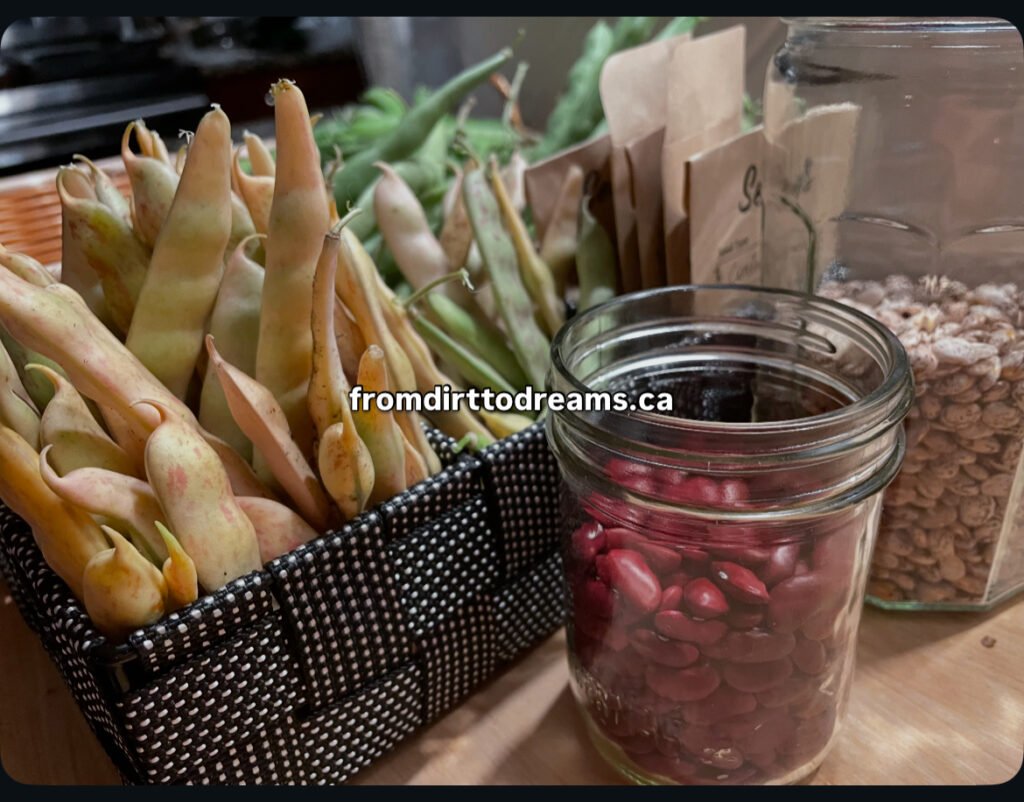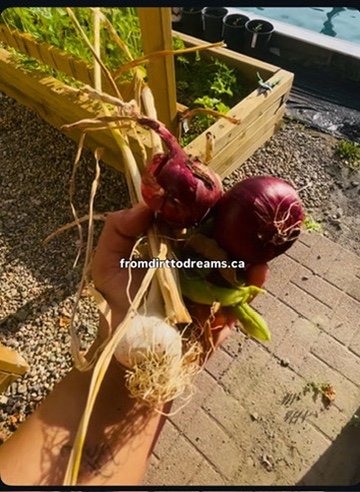
Author: datthenna@gmail.com

  • The Best Crops to Grow in a Small Backyard (Canada Edition)

    The Best Crops to Grow in a Small Backyard (Canada Edition)

    High-Yield, Low-Effort Food for Cold Climates

    When space is limited, every plant matters.

    One of the biggest mistakes new gardeners make is trying to grow everything instead of growing what actually produces food reliably. In a small backyard — especially in Canada’s shorter growing season — the key to success is choosing crops that give the highest return for the least effort.

    This guide breaks down the best crops to grow in a small backyard, specifically for cold climates (Zone 4–5). These plants are hardy, productive, beginner-friendly, and realistic for busy lives.

    What Makes a Crop “Good” for a Small Backyard?

    Before planting anything, it helps to understand what makes a crop worth growing in limited space.

    The best backyard crops:

    • Produce a large harvest relative to space

    • Grow well in short growing seasons

    • Can be grown vertically or densely

    • Require minimal care

    • Store well or regrow repeatedly

    With the right choices, even a modest backyard can produce food all season long.

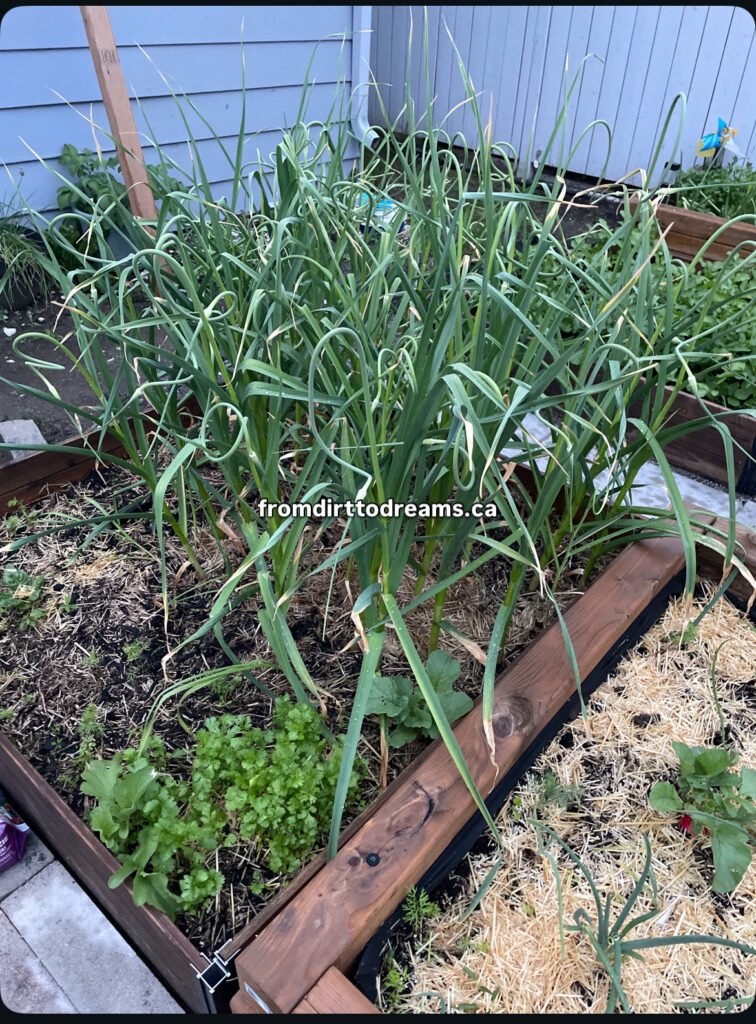
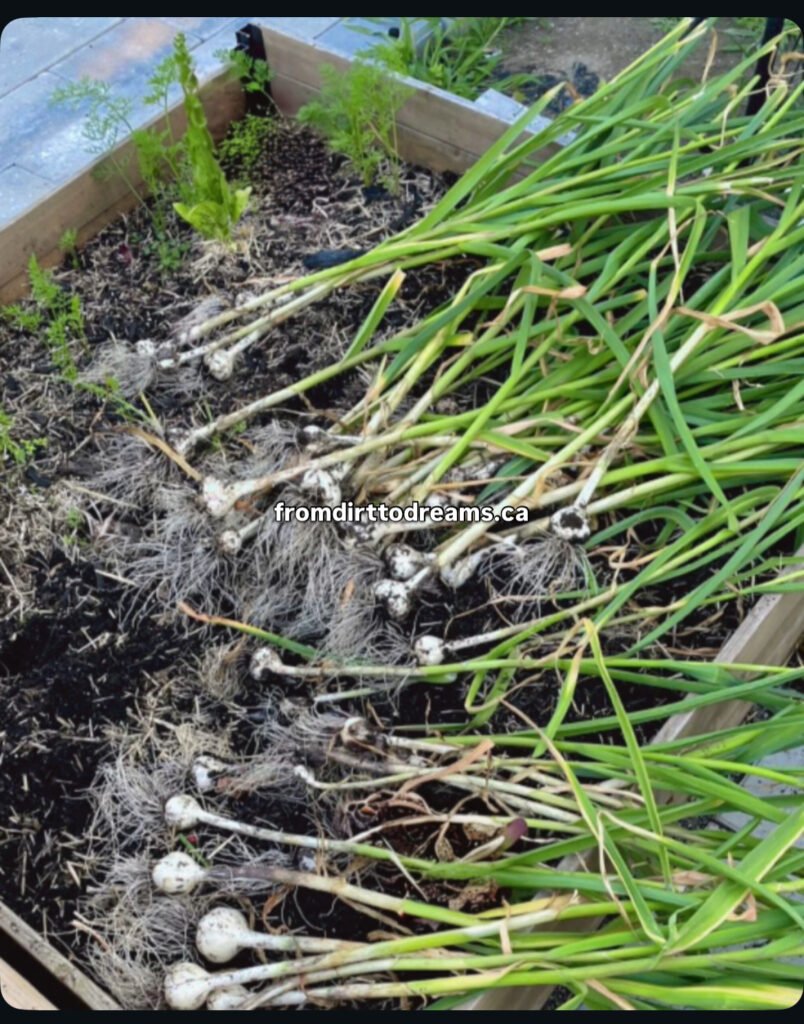
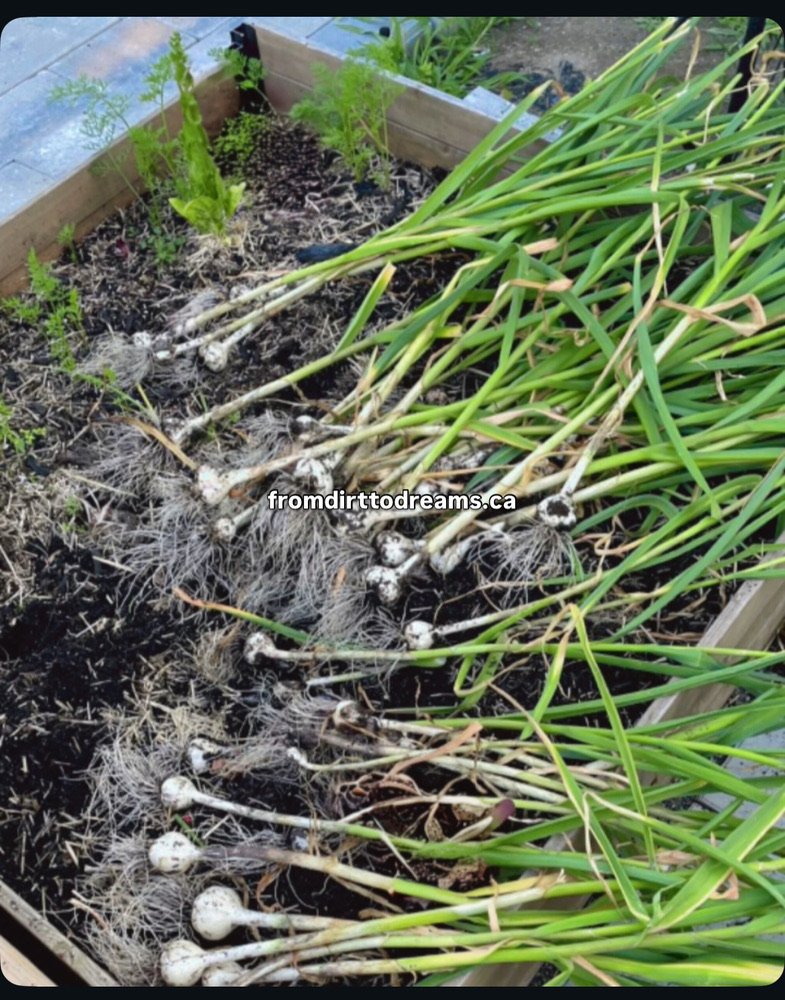
    1. Garlic (Hardneck Varieties)

    Garlic is one of the best investments a backyard gardener can make.

    Why garlic works so well:

    • Planted once, harvested once

    • Extremely cold-hardy

    • Takes very little space

    • Stores for months

    • Improves soil health

    How to grow it:

    • Plant in fall (October)

    • Mulch heavily

    • Harvest the following summer

    A single small bed can produce dozens of bulbs.
    2. Potatoes

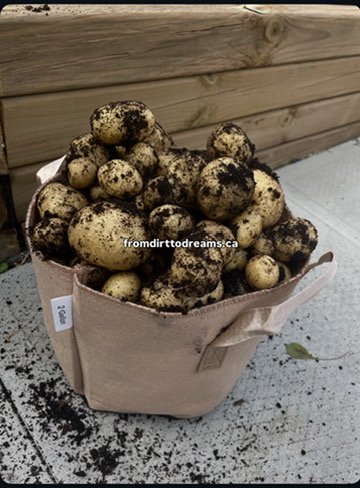
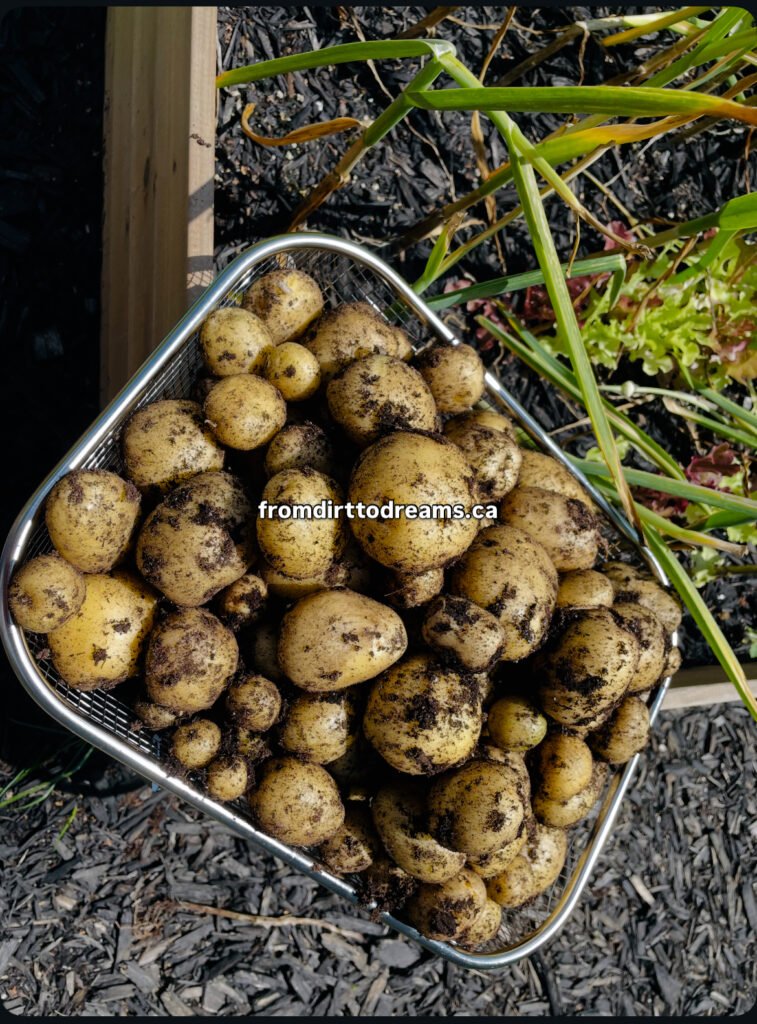
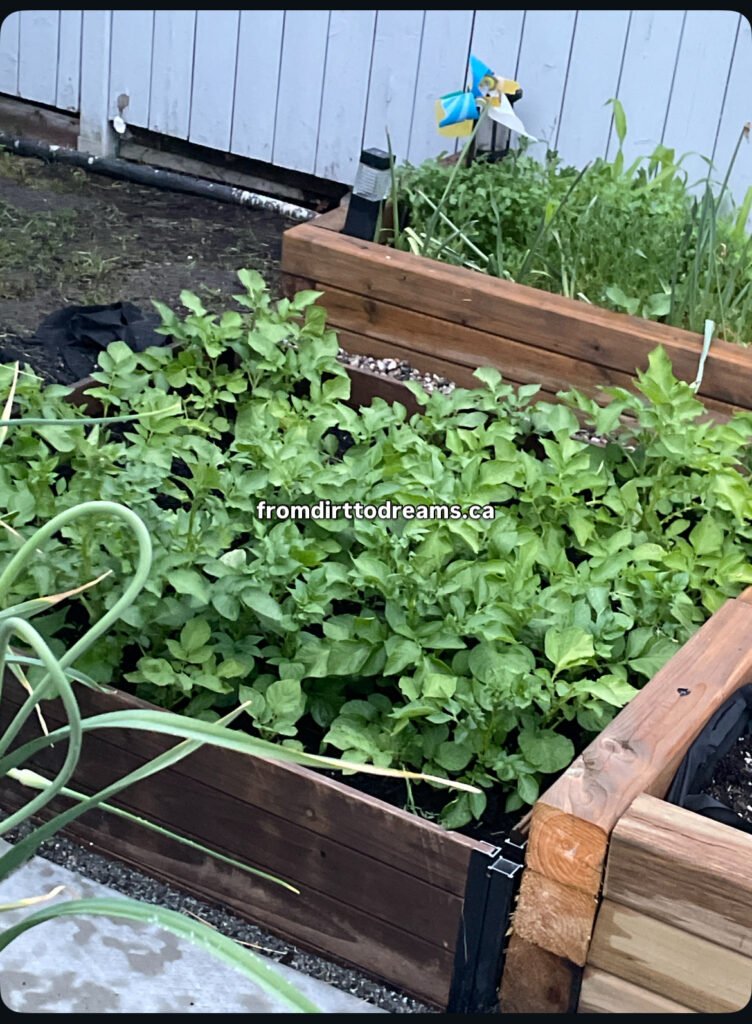
    Potatoes are incredibly forgiving and productive.

    Why potatoes are ideal:

    • High calorie crop

    • Grows in poor soil

    • Can be grown in beds, bags, or containers

    • Stores well for winter

    Best varieties:

    • Yukon Gold

    • Russet

    • Red Norland

    Even one square meter can yield several kilograms of potatoes.

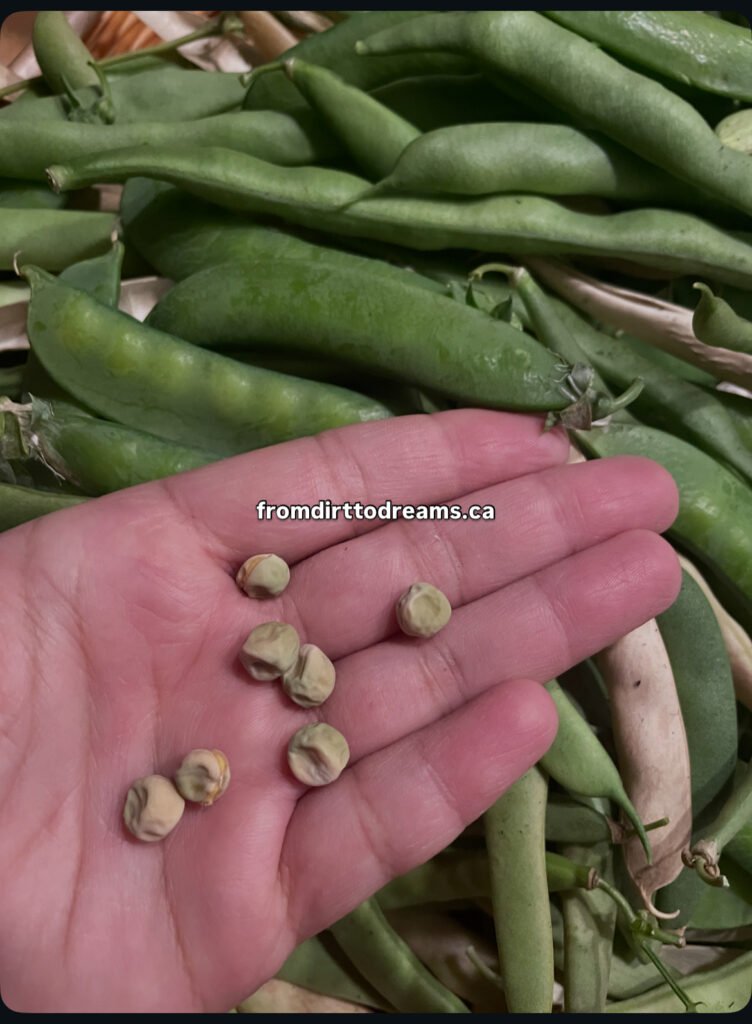
    3. Peas (Snow, Snap, or Shelling)

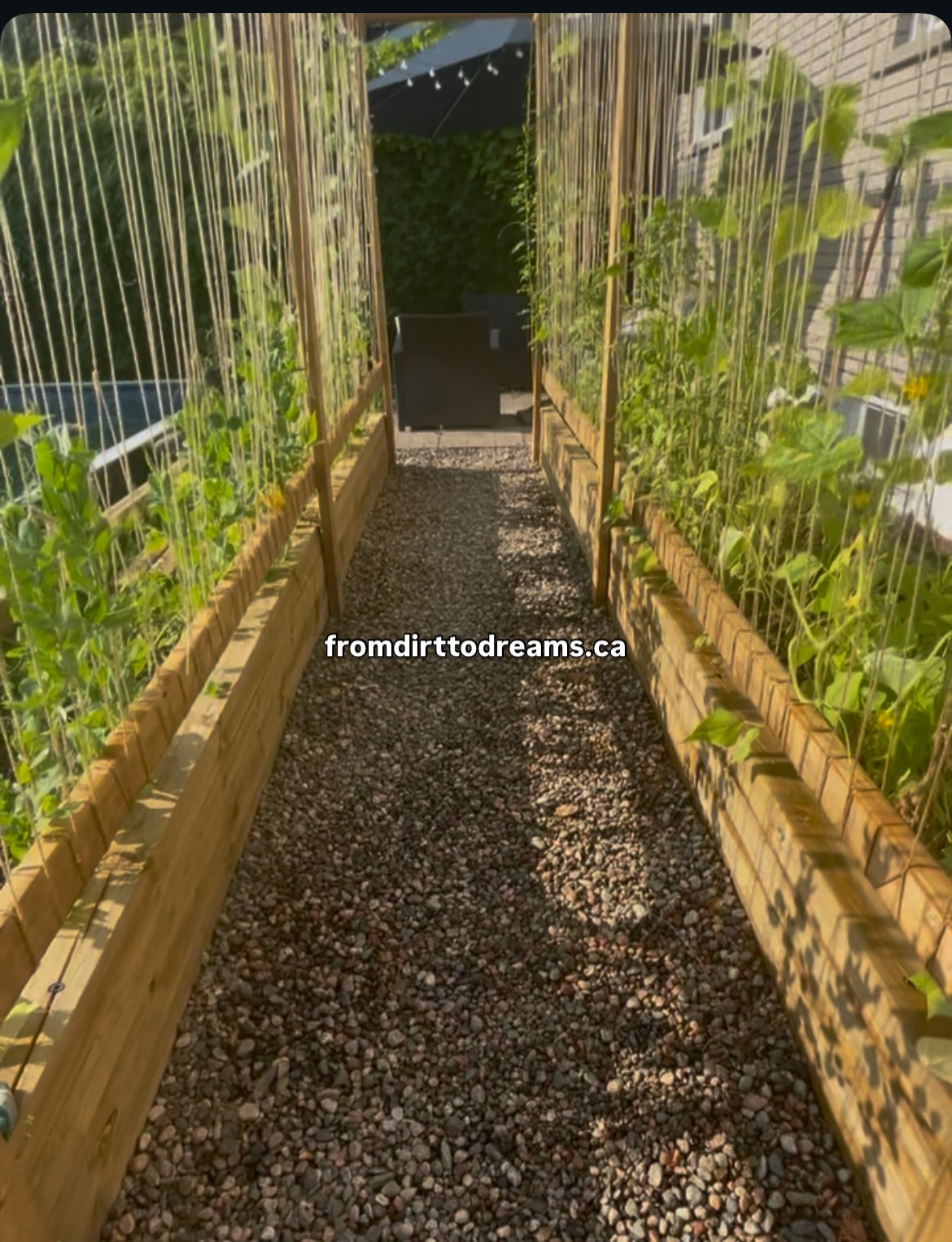
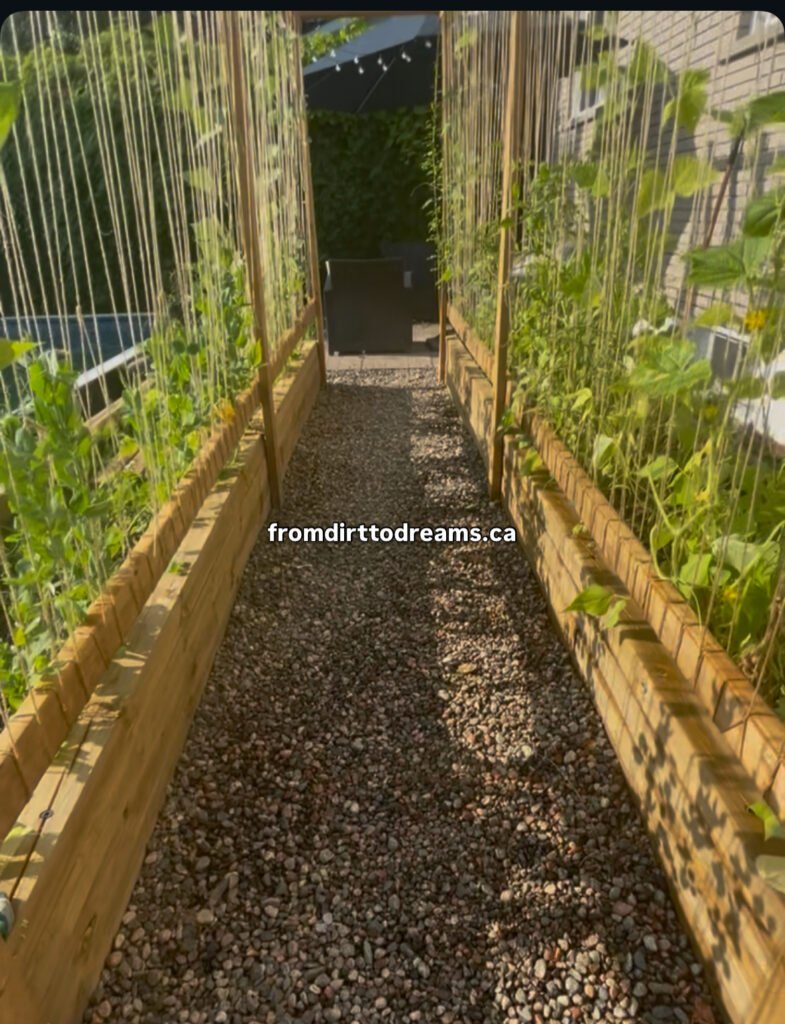
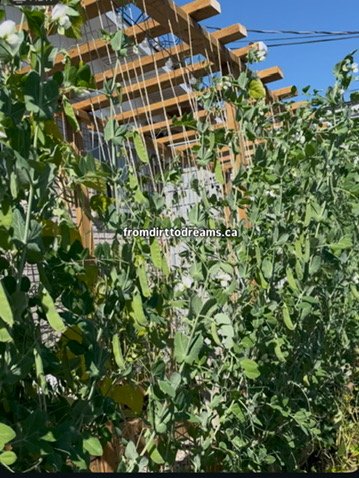
    Peas are perfect for vertical gardening.

    Why peas work:

    • Grow upward, not outward

    • Fix nitrogen in the soil

    • Thrive in cool weather

    • Produce quickly

    Plant them early in spring along fences or trellises.

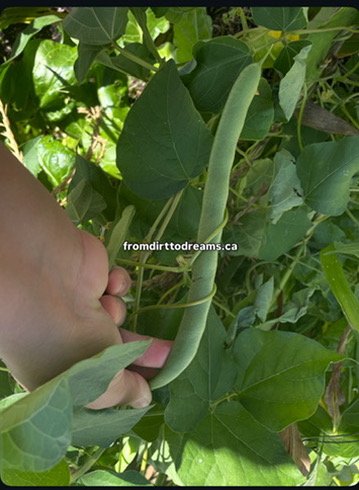
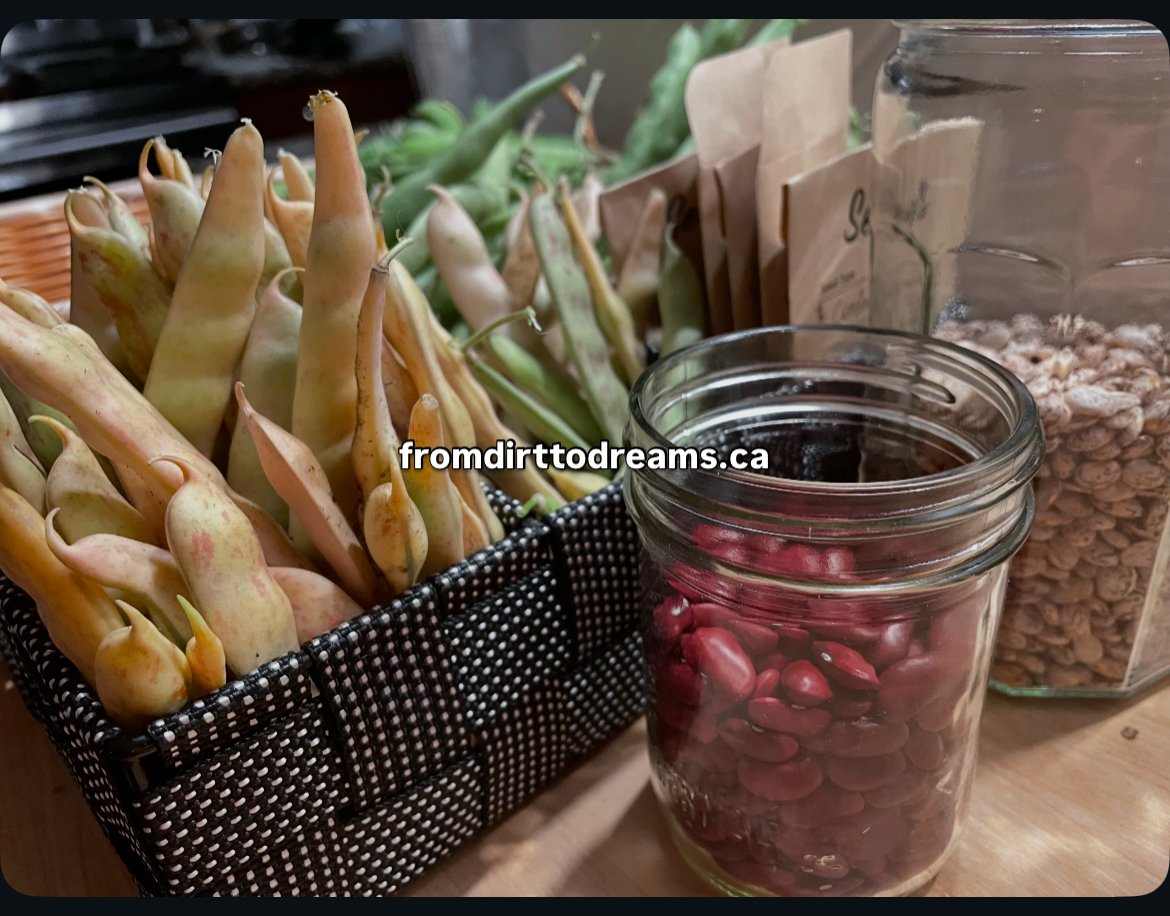
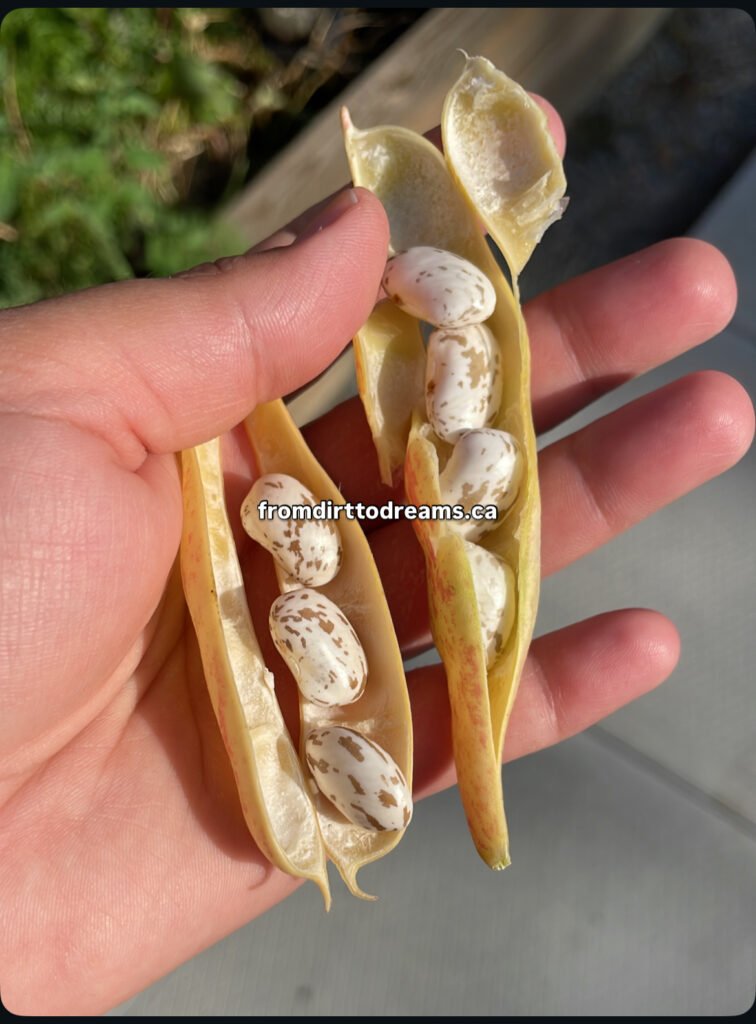
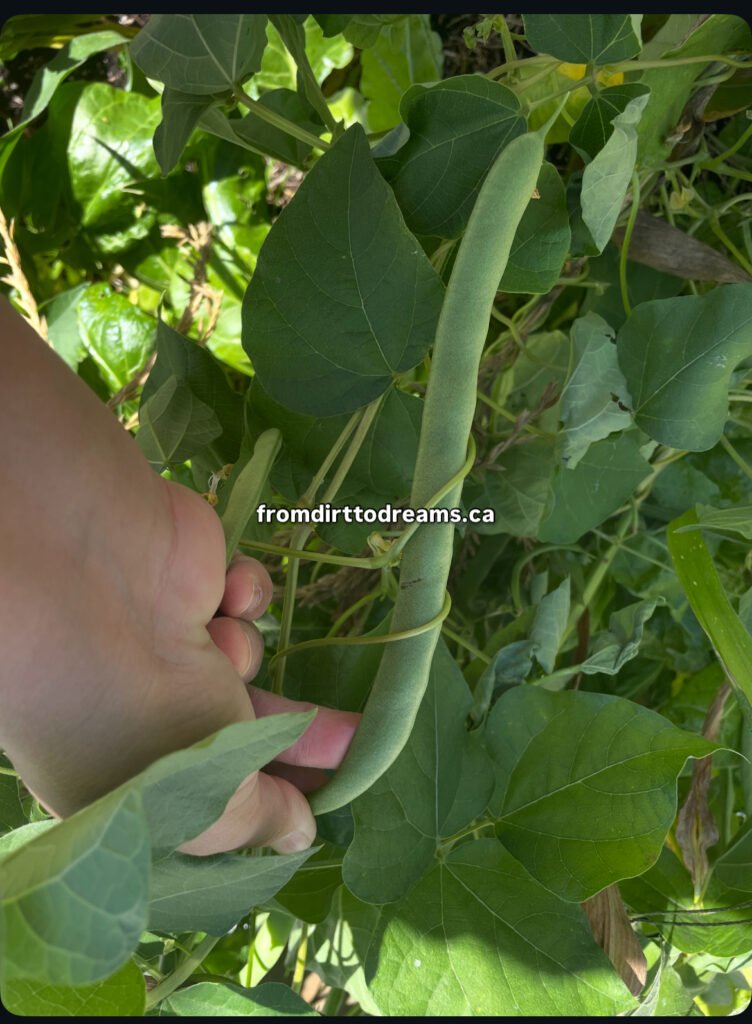
    4. Green Beans (Bush or Pole)

    Beans are another high-yield vertical crop.

    Bush beans:

    • Compact

    • Quick harvest

    Pole beans:

    • Higher total yield

    • Use vertical space efficiently

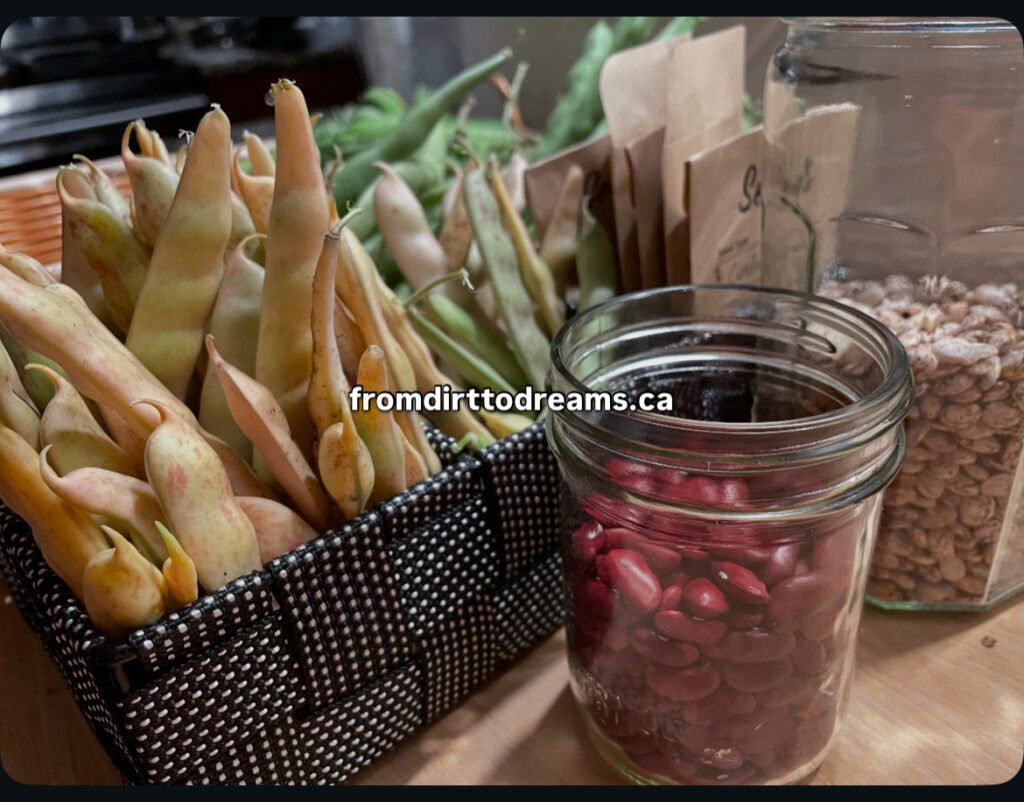
    Beans are productive, easy to grow, and great for beginner gardeners.

    5. Leafy Greens (Lettuce, Spinach, Kale)

    Leafy greens are some of the highest-return crops in a small space.

    Why greens are essential:

    • Fast-growing

    • Cut-and-come-again harvests

    • Can be grown in partial shade

    • Multiple harvests per season

    Best options for Canada:

    • Spinach

    • Leaf lettuce

    • Kale

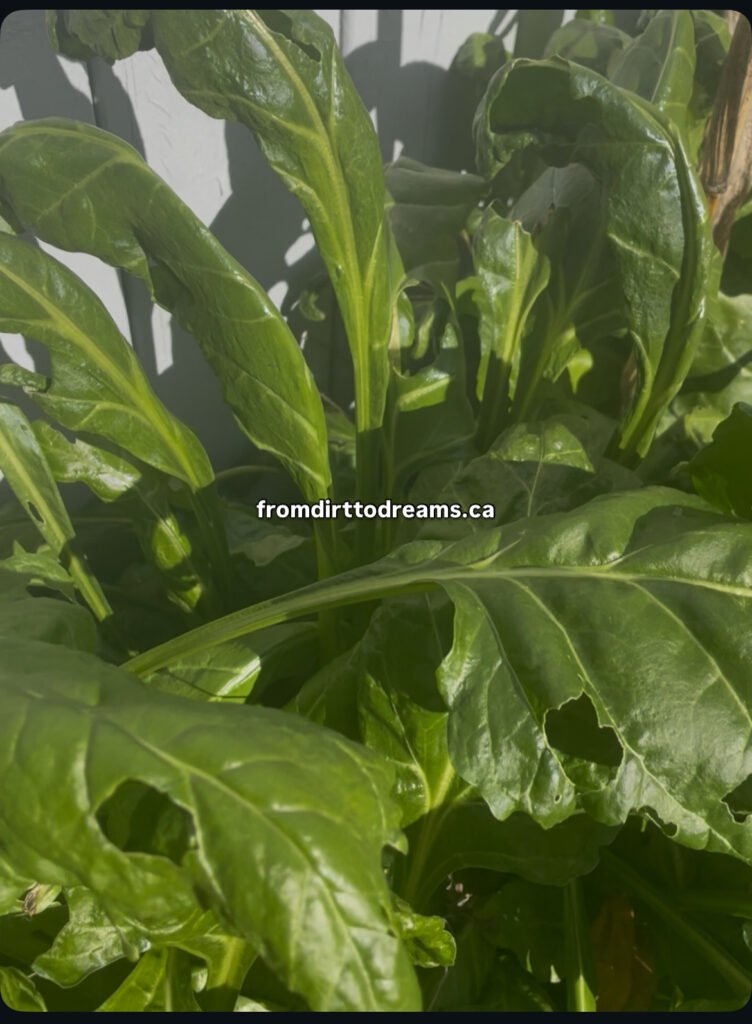
    • Swiss chard

    Harvest outer leaves and plants keep producing.
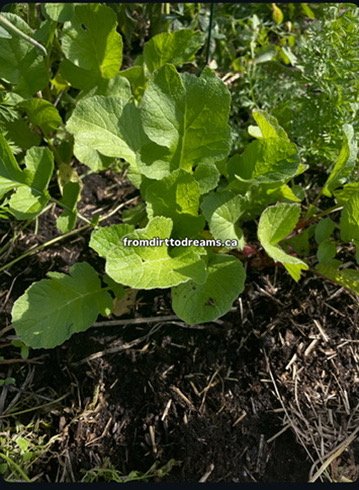
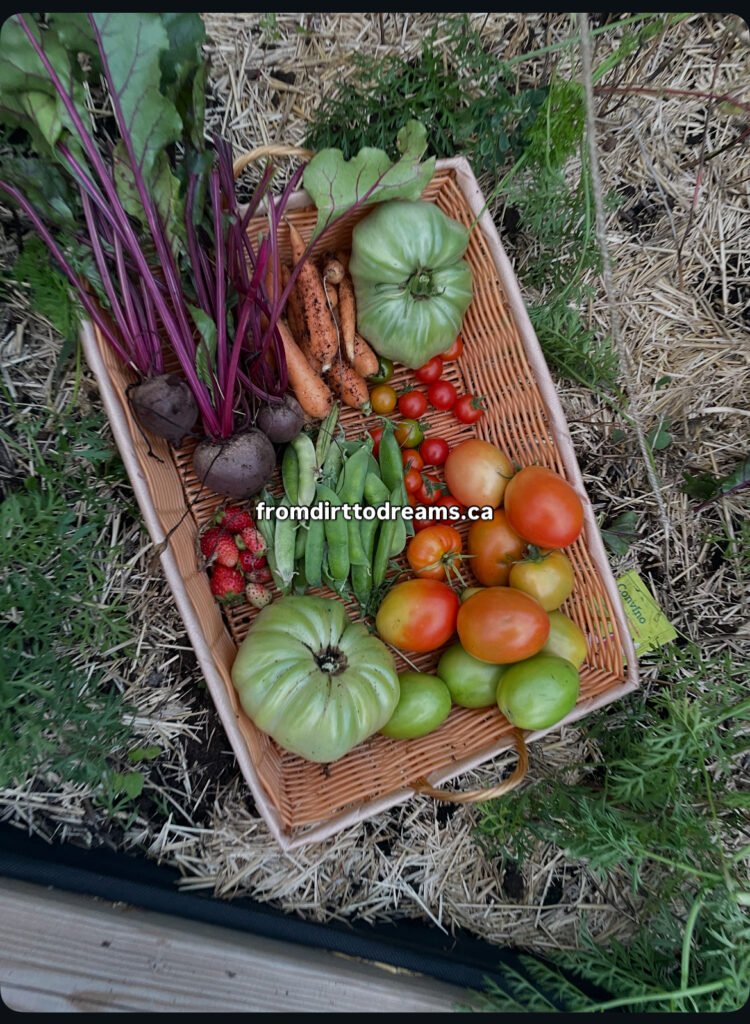
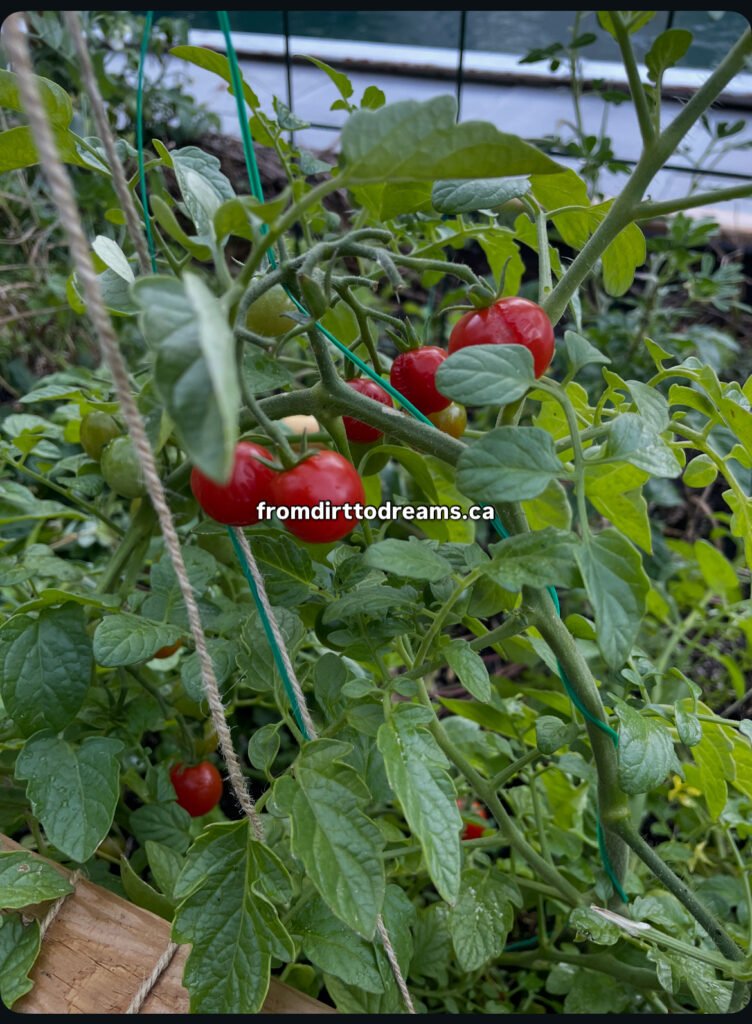
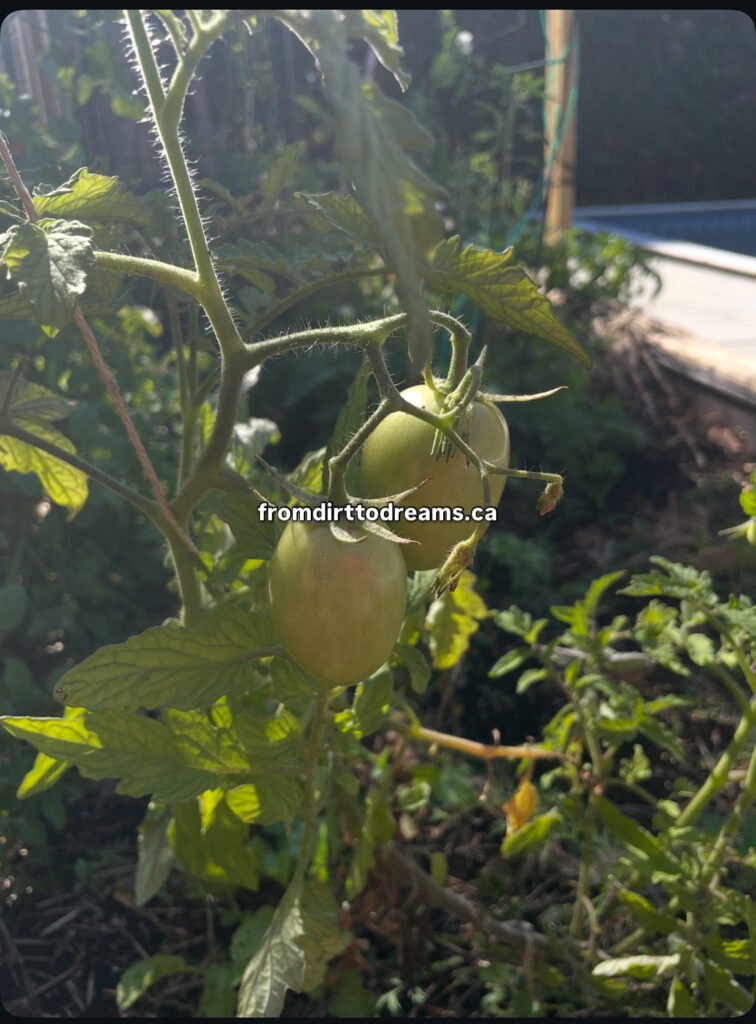
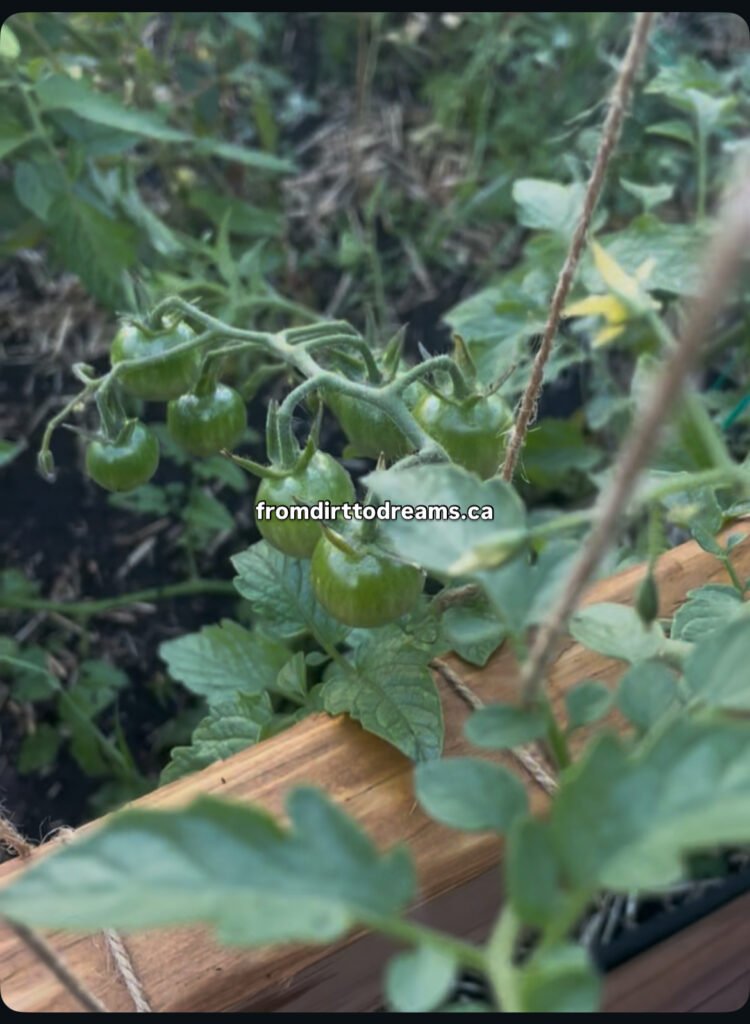
    6. Tomatoes (With the Right Strategy)

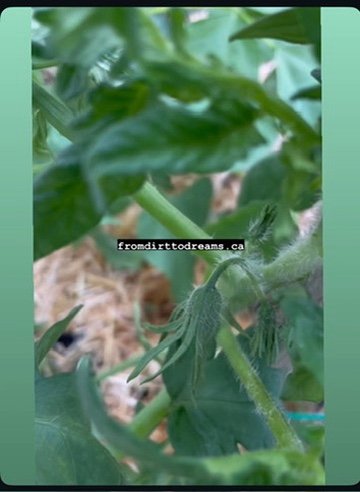
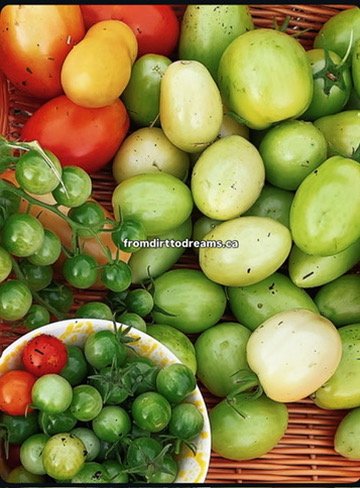
    Tomatoes can work in small backyards if grown vertically.

    Best tomato types:

    • Indeterminate varieties

    • Cherry or grape tomatoes

    Tips:

    • Prune regularly

    • Use strong cages or trellises

    • Choose early or cold-climate varieties

    One healthy plant can produce dozens of tomatoes.

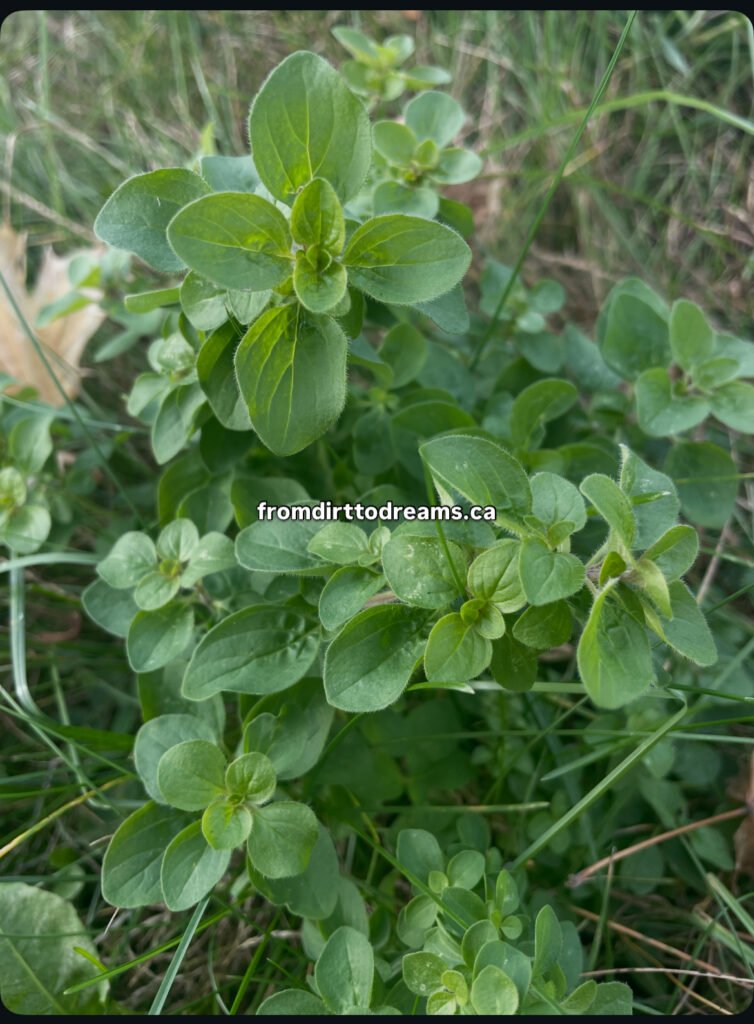
    7. Herbs (Perennial and Annual)

    Herbs are one of the smartest crops to grow.

    Why herbs are perfect:

    • Small footprint

    • Expensive at grocery stores

    • High flavor impact

    • Many are perennial

    Best herbs for small backyards:

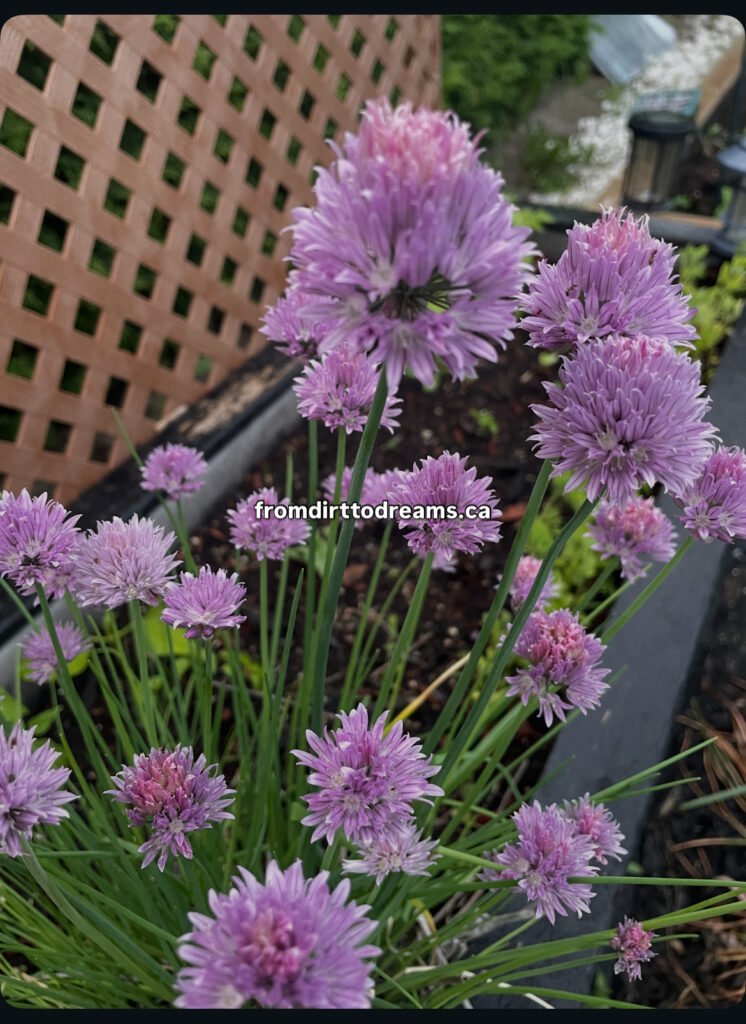
    • Chives

    • Mint (contain it)

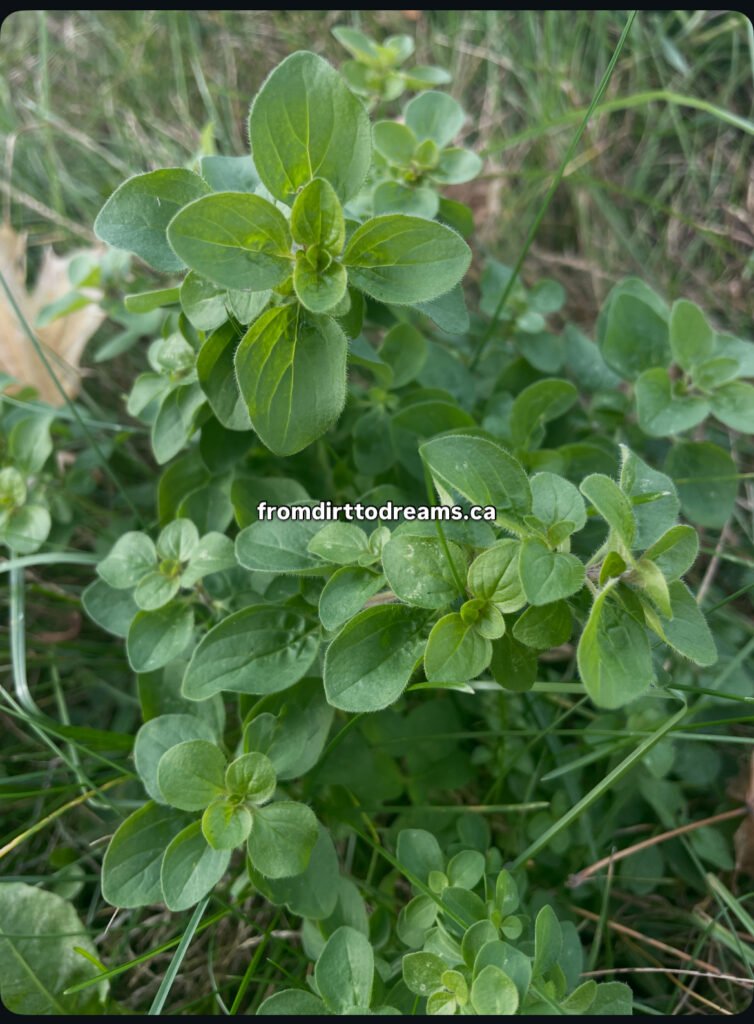
    • Oregano

    • Thyme

    • Dill

    • Cilantro

    A few plants can supply herbs for the entire season.

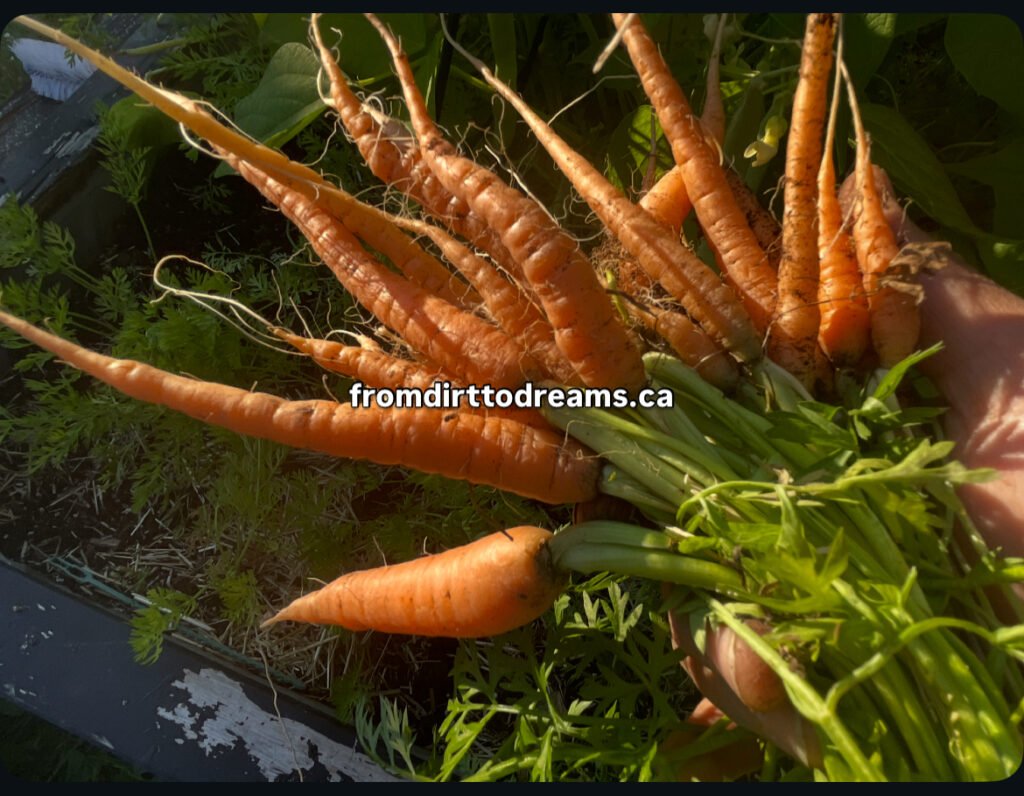
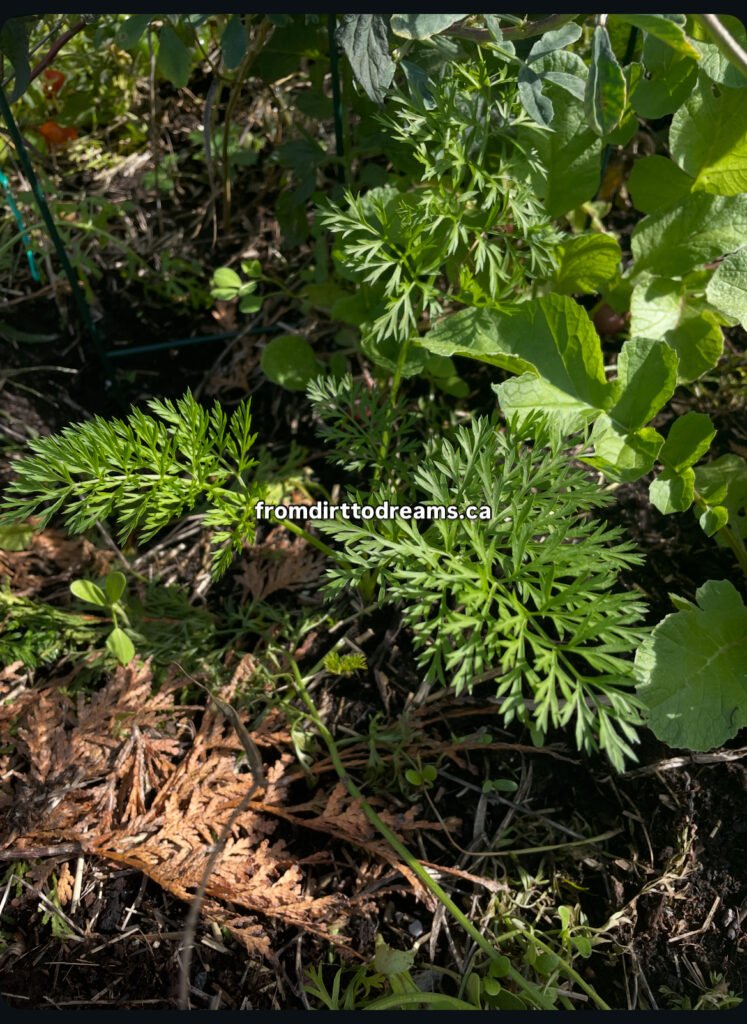
    8. Carrots

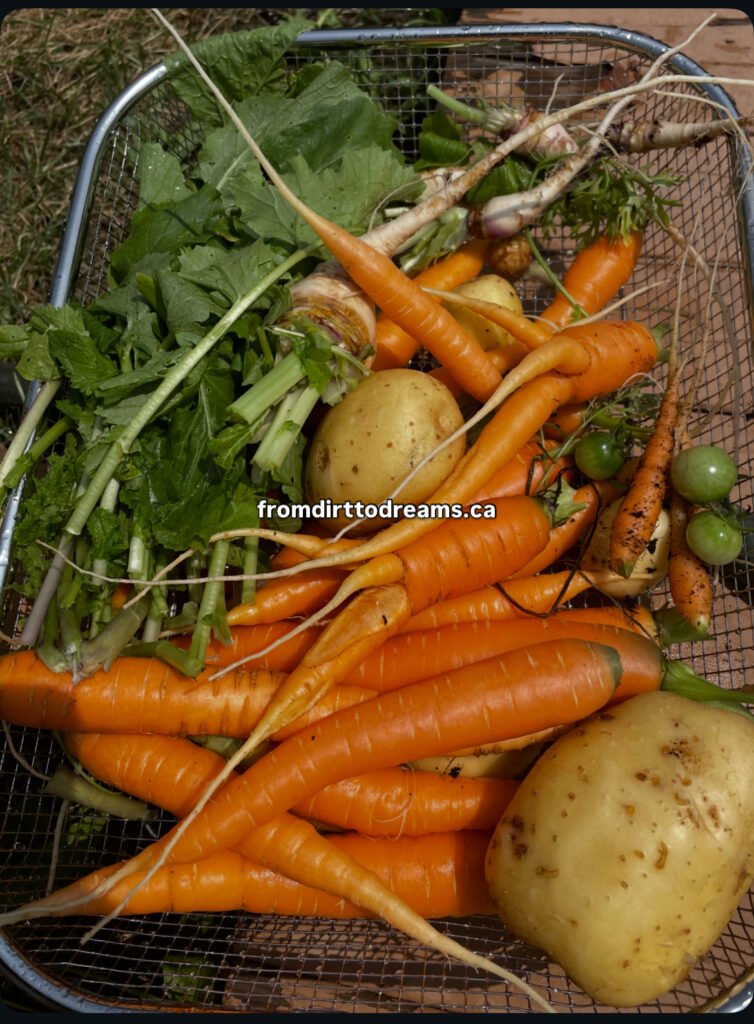
    Carrots are easy if soil is loose and deep.

    Why carrots work:

    • High yield in small areas

    • Long storage life

    • Thrive in cool climates

    Use raised beds or well-loosened soil for best results.

    9. Beets

    Beets offer two harvests in one plant.

    • Roots for storage

    • Greens for fresh eating

    They grow well in cool temperatures and don’t require much space.

    10. Zucchini (With Limits)

    Zucchini can overwhelm a small garden — but one plant is enough.

    Why include it:

    • Extremely productive

    • Fast-growing

    • Reliable

    Plant only one and prune regularly.

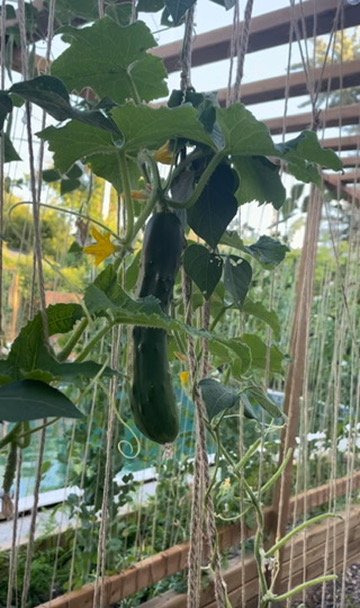
    11. Cucumbers (Vertical Only)

    Cucumbers work best when grown upward.

    Why vertical cucumbers:

    • Save ground space

    • Produce cleaner fruit

    • Reduce disease

    Use trellises or fences to keep them off the ground.

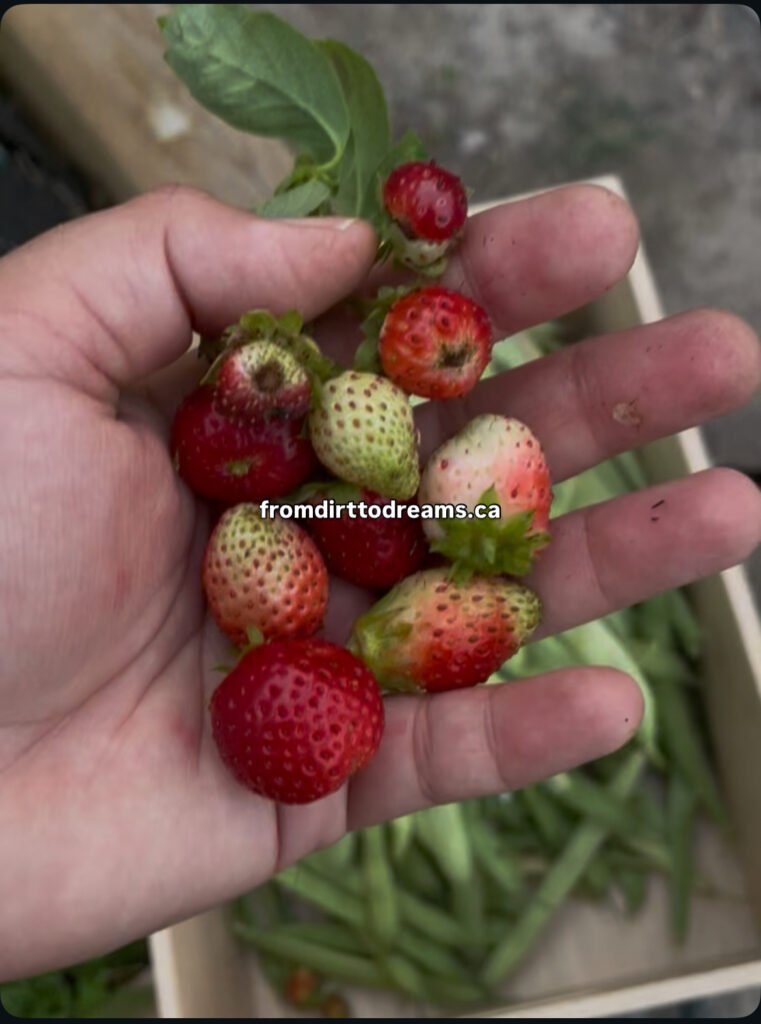
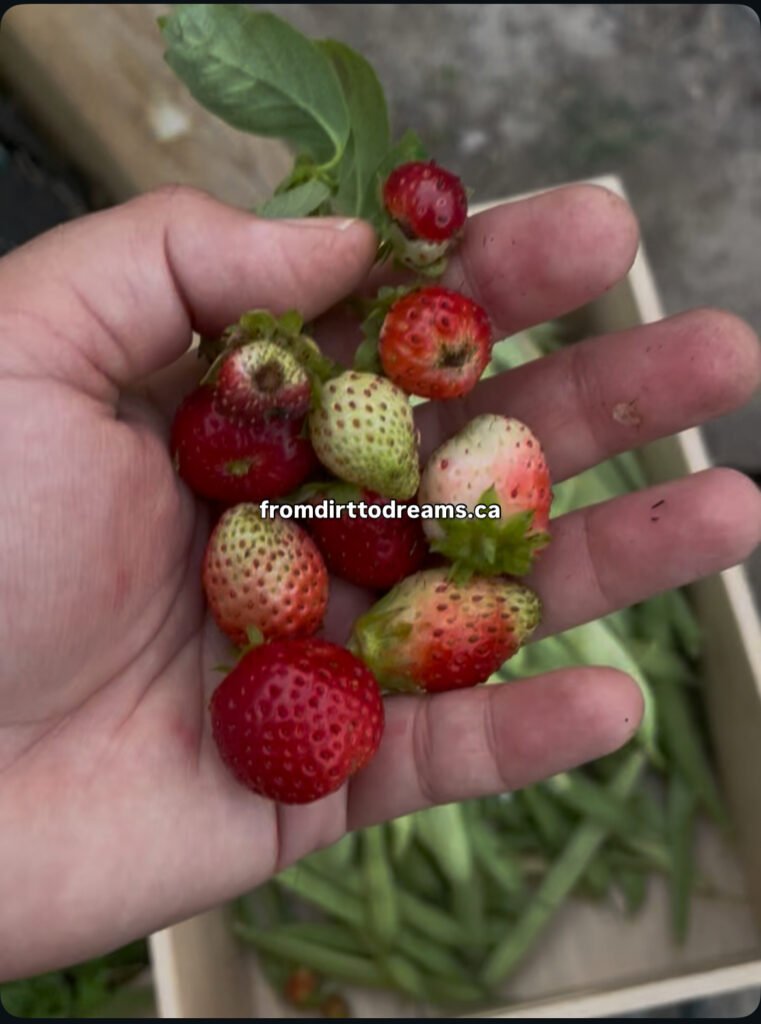
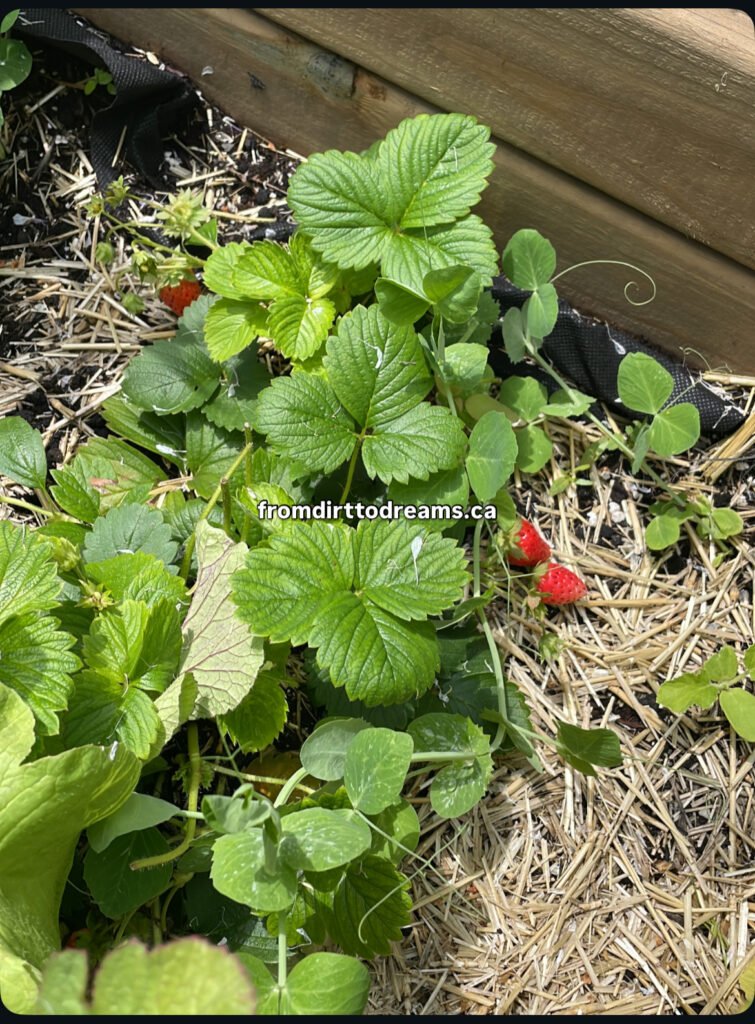
    12. Strawberries

    Strawberries are ideal ground cover crops.

    Benefits:

    • Perennial

    • Spreads naturally

    • Produces for years

    • Great for borders and edges

    They fit well under taller plants and trees.

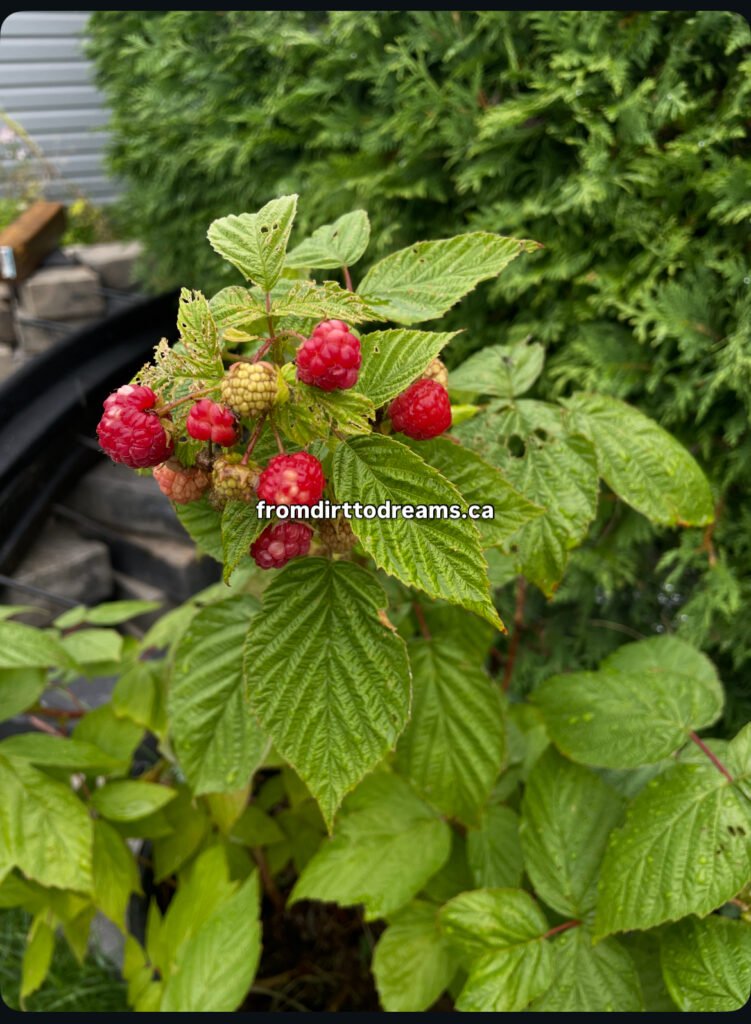
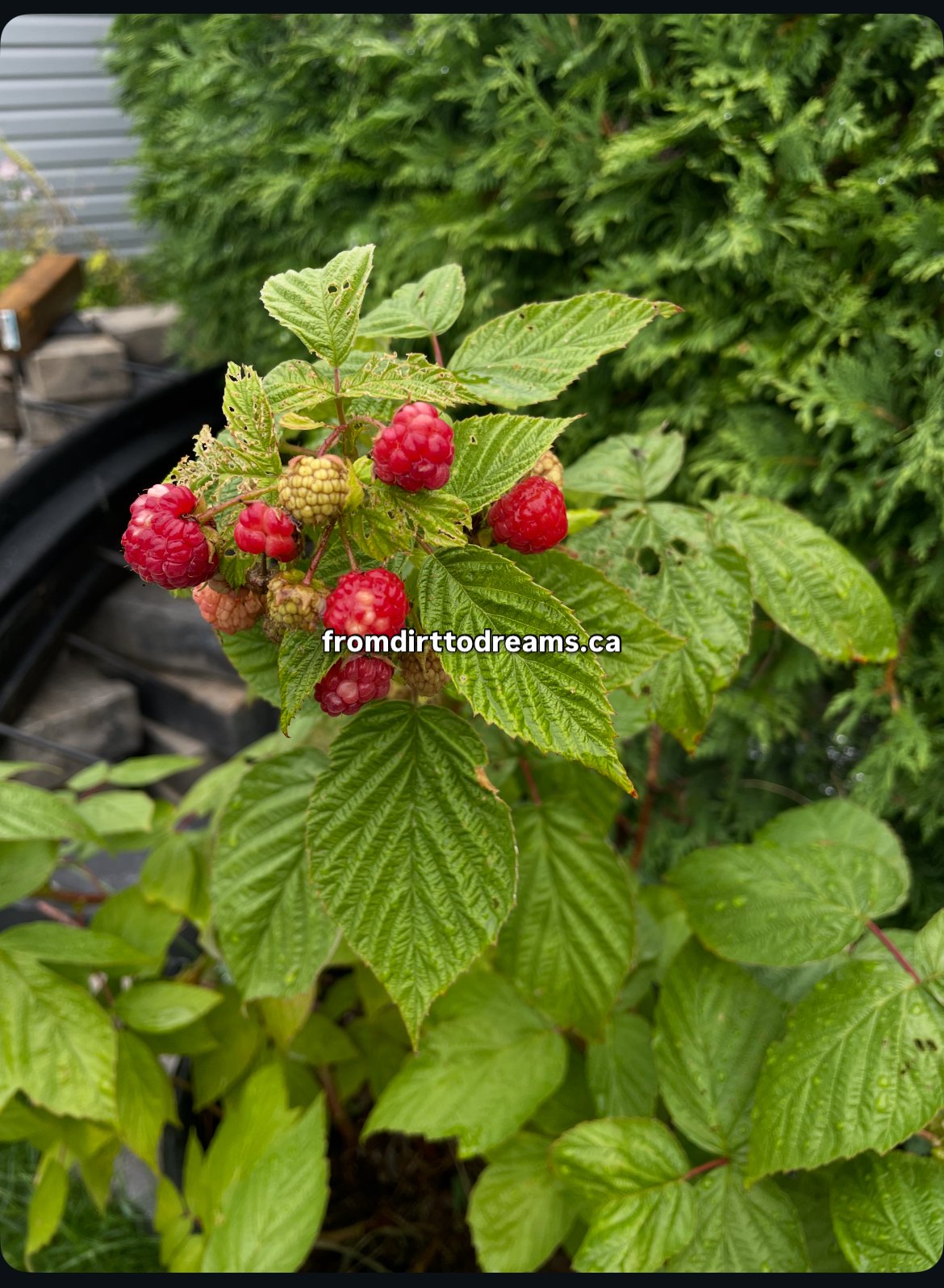
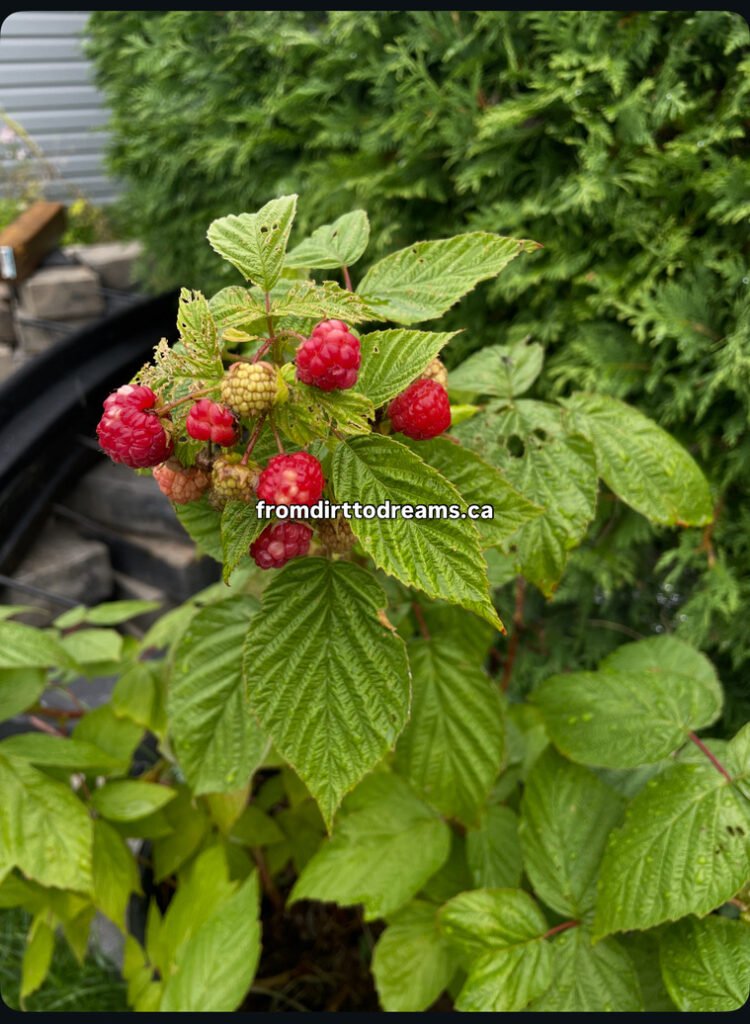
    13. Raspberries

    Raspberries are one of the highest-yield perennial fruits.

    Why they’re excellent:

    • Produce heavily

    • Cold-hardy

    • Require little care once established

    Plant along fences or property edges to control spread.
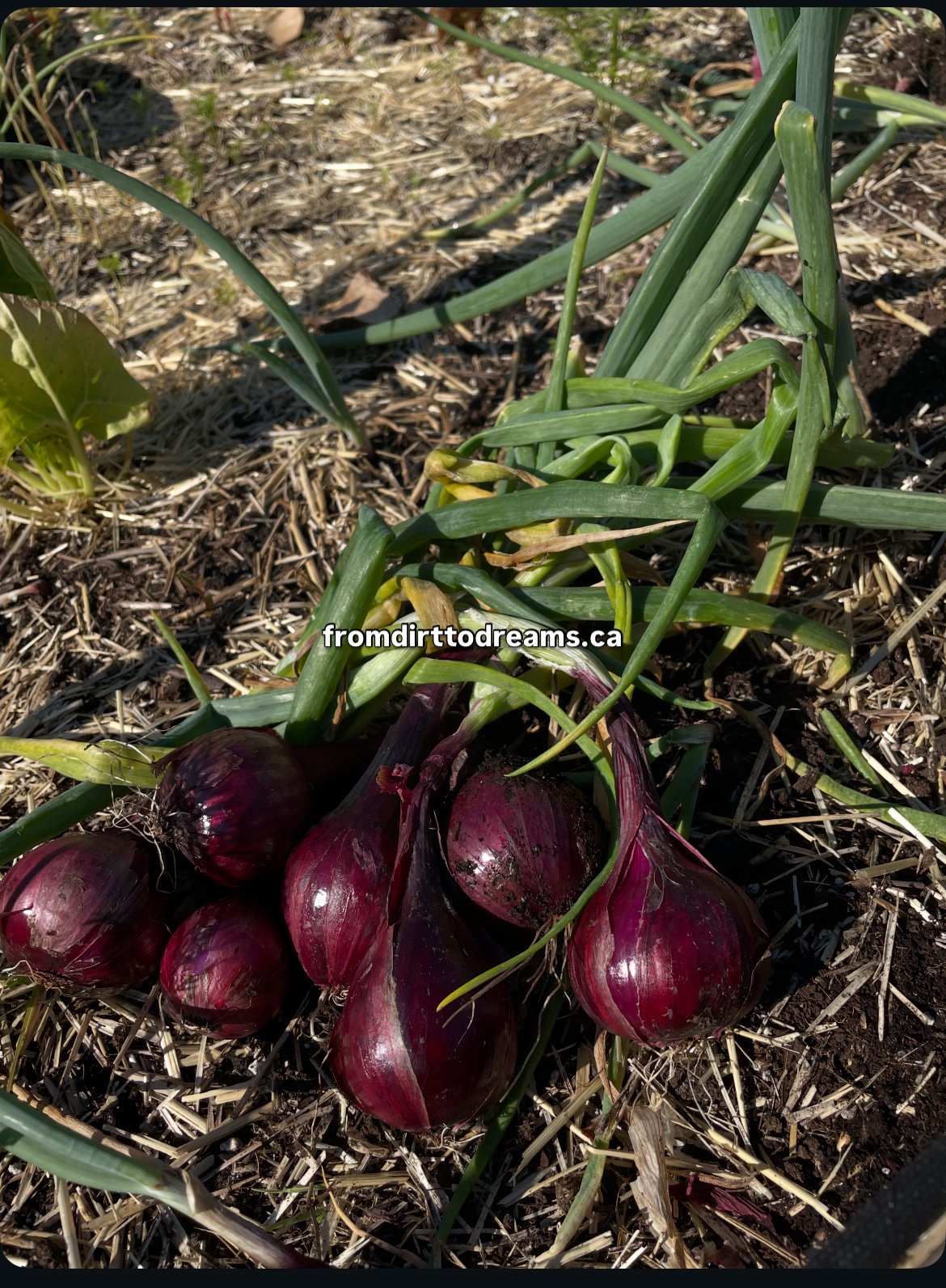
    14. Onions

    Onions are space-efficient and store well.

    They grow well in raised beds and can be interplanted with other crops.

    15. Herbs That Act Like Weeds (In a Good Way)

    Some herbs grow aggressively — which is actually useful.

    Examples:

    • Mint

    • Lemon balm

    • Chives

    Contain them, but enjoy years of harvest.

    Crops to Avoid in Very Small Backyards

    Some plants take too much space for what they give.

    Consider limiting:

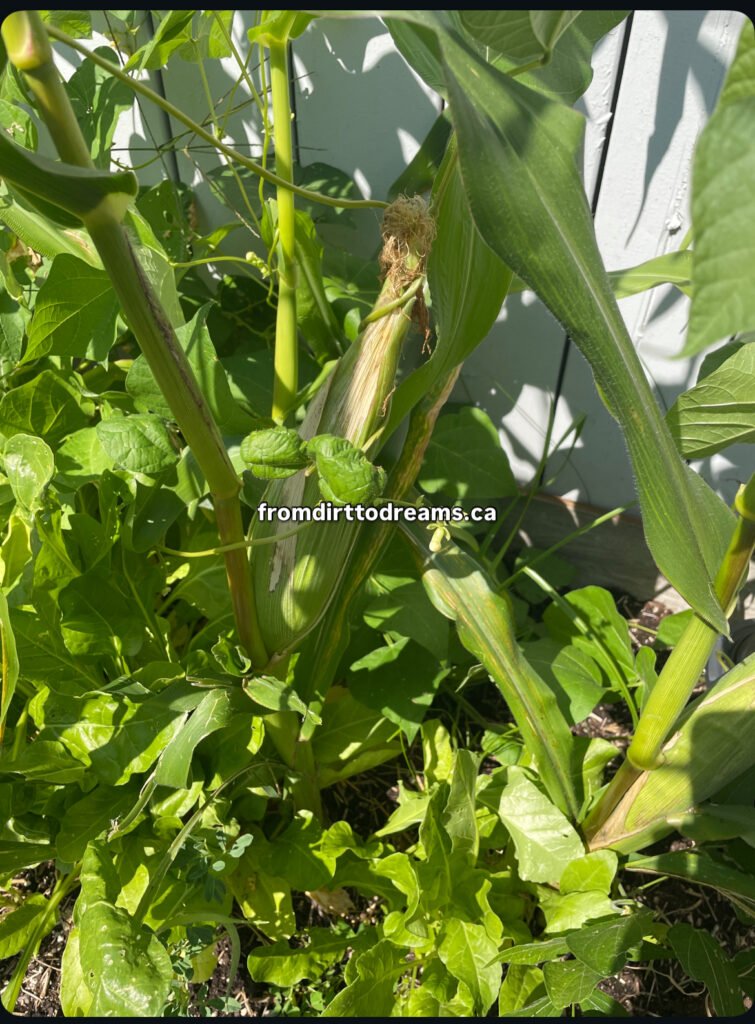
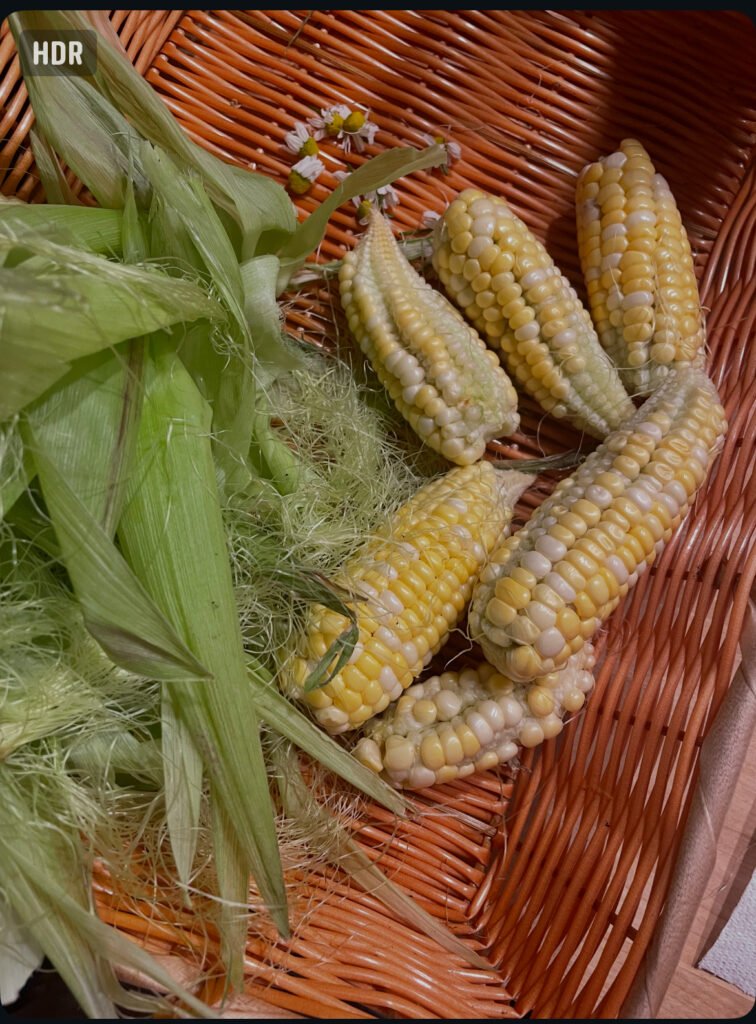
    • Corn

    • Large pumpkins

    • Watermelons

    • Cabbage (unless you love it)

    These can crowd out more productive crops.

    How to Maximize Yields in a Small Backyard

    Use Vertical Space

    Grow upward whenever possible.

    Succession Planting

    Plant new crops as soon as one finishes.

    Mulch Heavily

    Keeps moisture in and weeds out.

    Choose Perennials

    They return every year with less effort.

    A Simple Small-Backyard Crop Plan

    A realistic mix might include:

    • Garlic

    • Potatoes

    • Peas and beans

    • Leafy greens

    • Tomatoes

    • Herbs

    • Strawberries

    • Raspberries

    This combination provides food from early spring to late fall.

    Why Growing the Right Crops Matters More Than Growing More Crops

    In small spaces, strategy beats volume.

    Choosing reliable, productive plants:

    • Reduces frustration

    • Saves time

    • Builds confidence

    • Increases food security

    Once you see success, expanding becomes easier.
    Final Thoughts

    A small backyard is not a limitation — it’s an opportunity.

    By focusing on crops that thrive in Canada’s climate and produce abundantly in limited space, you can grow real food, reduce grocery bills, and build resilience season after season.

    Start small. Grow what works. Let experience guide the rest.

    👉 Download the Grow Your Groceries Starter Guide — your blueprint to food freedom in any Canadian home.

    👉 Bookmark this website — new food security & self-sufficiency articles release weekly.

    👉 Follow FromDirtToDreams on Instagram, Facebook, Pinterest, TikTok & YouTube for DAILY food-freedom content.

    👉 Next Article

    How to Start a Raised Bed Garden (Complete Beginner Guide)
  • How to Turn a Small Backyard into a Productive Food Forest

    How to Turn a Small Backyard into a Productive Food Forest

    A Complete Beginner Guide for Cold Climates

    Growing your own food no longer feels like a hobby — for many people, it’s becoming a form of security.

    With grocery prices rising, food quality declining, and stress levels increasing, more people are looking at their backyards not as decoration, but as opportunity. The good news is that you don’t need acres of land or farming experience to grow a meaningful amount of food.

    Even a small backyard can become a productive food forest when designed intentionally.

    This guide walks you through exactly how to turn a modest backyard into a thriving, low-maintenance food system — especially in cold climates like Canada.

    What Is a Backyard Food Forest?

    A food forest is a garden designed to mimic the structure of a natural forest while producing food. Instead of planting in rows or isolated beds, plants are layered so they support each other.

    A true food forest:

    • Uses multiple layers of plants

    • Includes perennials and annuals

    • Requires less maintenance over time

    • Produces food year after year

    The goal isn’t perfection — it’s resilience.

    When plants work together, the system becomes stronger, more productive, and easier to manage.

    Why a Food Forest Works Better Than Traditional Gardening

    Traditional gardening often relies on:

    • Heavy watering

    • Frequent weeding

    • Seasonal replanting

    • Fertilizers and inputs

    A food forest works differently.

    Because it mimics nature, it:

    • Retains moisture better

    • Improves soil health naturally

    • Reduces weeds through ground cover

    • Becomes more productive each year

    For people with limited time, energy, or mobility, this approach is far more sustainable.

    Can You Build a Food Forest in a Small Backyard?

    Yes — absolutely.

    A food forest does not require a large space. It requires layers, not land.

    Small backyards actually benefit from food forests because:

    • Vertical growing maximizes space

    • Perennials reduce yearly work

    • Dense planting improves soil and yields

    • Edges and corners are used efficiently

    Even a suburban backyard can support fruit trees, berries, herbs, vegetables, and climbing plants.

    The 7 Layers of a Backyard Food Forest

    You don’t need all layers on day one, but understanding them helps you plan long-term.

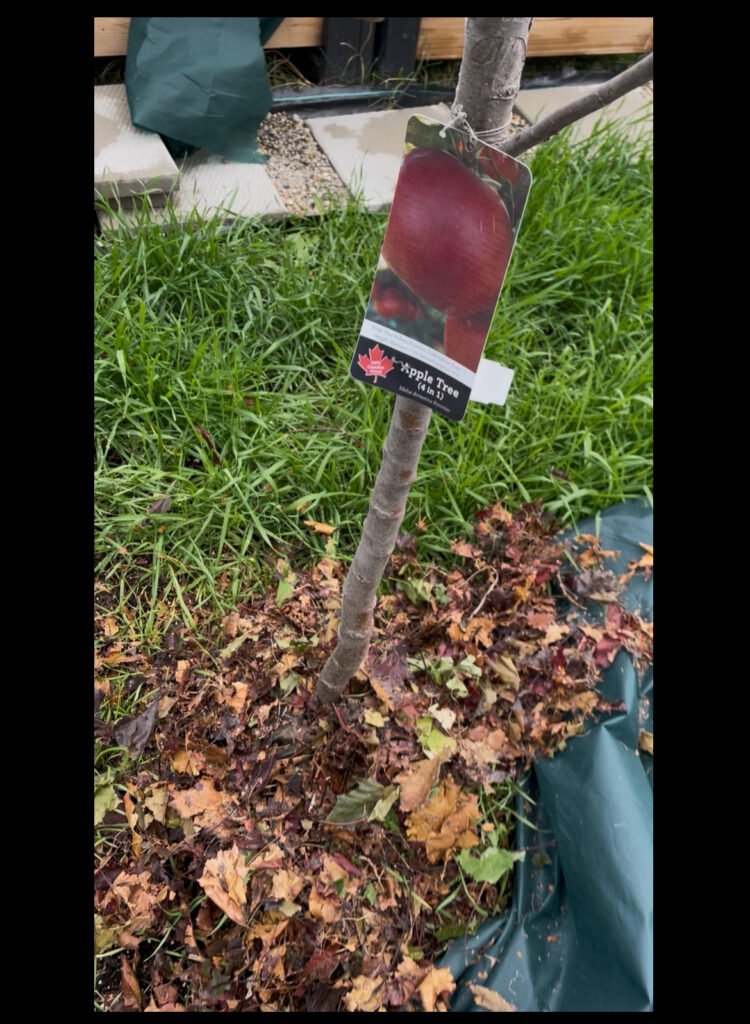
    1. Canopy Layer (Tall Trees)

    These are your tallest trees and long-term producers.

    Examples for cold climates:

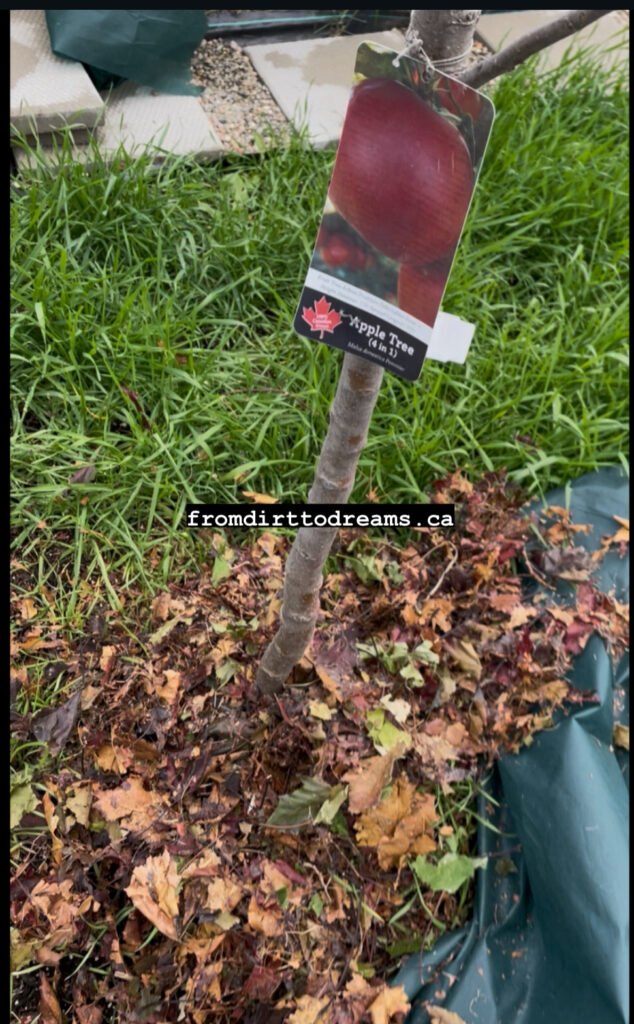
    • Apple trees

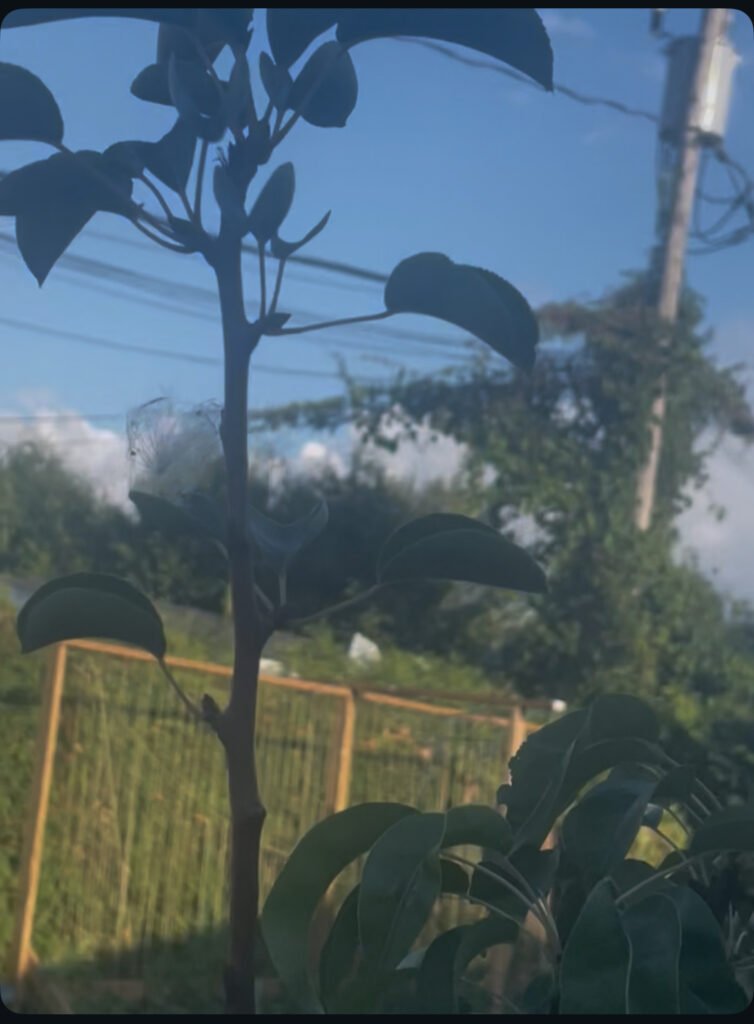
    • Pear trees

    • Plum trees

    In small yards, choose dwarf or semi-dwarf varieties.

    2. Sub-Canopy Layer (Small Trees)

    These sit below the canopy and still produce generously.

    Examples:

    • Dwarf cherry trees

    • Serviceberry

    • Multi-grafted fruit trees

    3. Shrub Layer

    This is where food forests shine in small spaces.

    Examples:

    • Raspberries

    • Blackberries

    • Blueberries

    • Currants

    Berry bushes produce heavily and require little maintenance once established.

    4. Herbaceous Layer

    These plants protect soil, attract pollinators, and provide food and medicine.

    Examples:

    • Chives

    • Mint

    • Oregano

    • Dill

    • Lemon balm

    • Cilantro

    Many herbs return every year and spread naturally.

    5. Ground Cover Layer

    Ground covers reduce weeds, retain moisture, and protect soil.

    Examples:

    • Strawberries

    • Creeping thyme

    • Low-growing herbs

    This layer is critical for reducing maintenance.

    6. Root Layer

    These are underground food producers.

    Examples:

    • Garlic

    • Potatoes

    • Carrots

    • Beets

    • Onions

    Root crops thrive in loose, well-mulched soil.

    7. Vertical Layer (Climbers)

    Vertical growing is essential in small backyards.

    Examples:

    • Peas

    • Beans

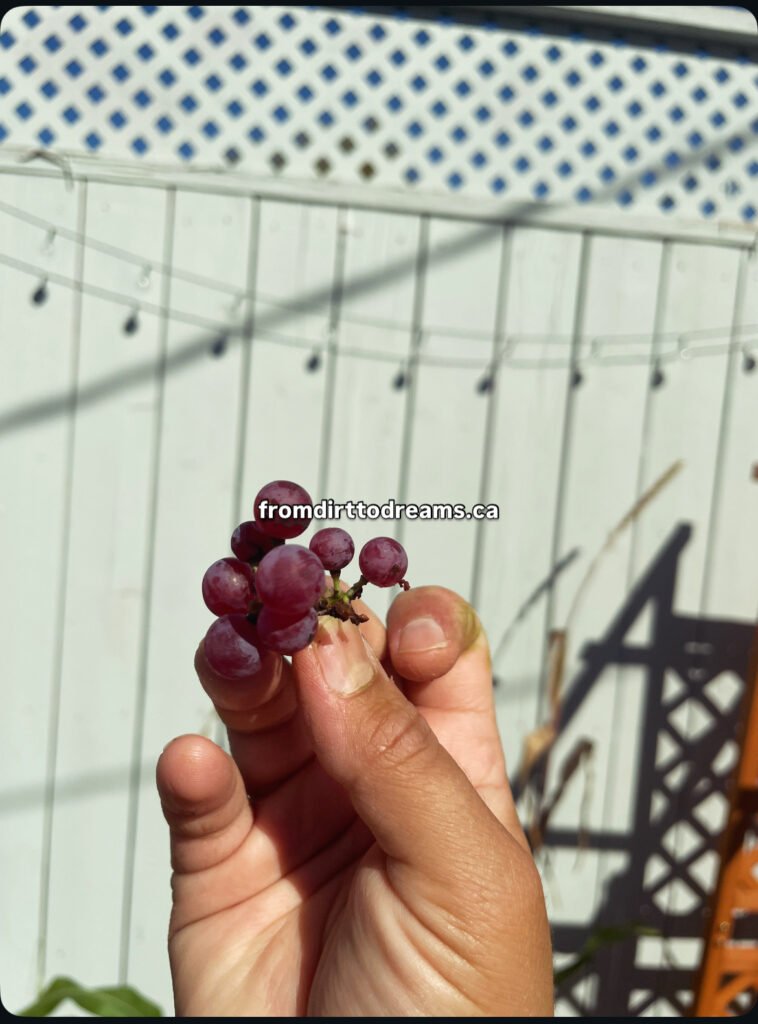
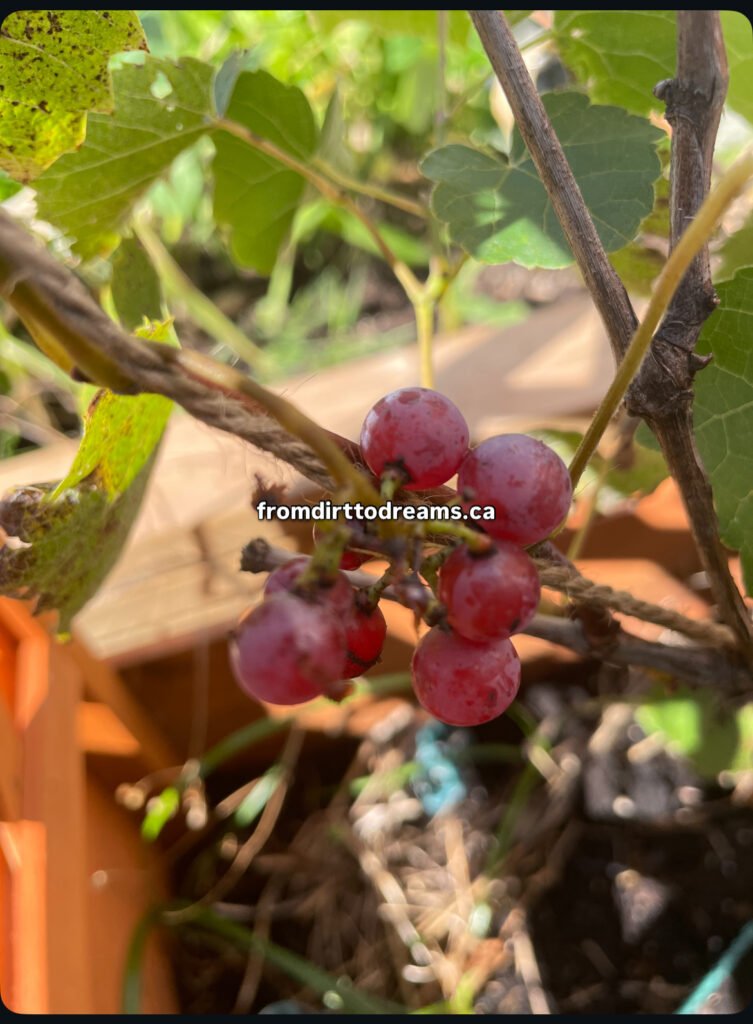
    • Grapes

    • Cucumbers

    These plants use fences, trellises, or walls instead of ground space.

    Choosing Plants for Cold Climate Food Forests (Zone 4–5)

    If you live in Canada or a similar climate, plant selection matters.

    Reliable cold-hardy options include:

    • Apples (Honeycrisp, Cortland)

    • Pears (Bartlett)

    • Raspberries and blackberries

    • Garlic (hardneck varieties)

    • Peas and beans

    • Potatoes

    • Kale and spinach

    • Chives, mint, oregano

    Always check your local hardiness zone before planting.

    How to Design Your Backyard Food Forest Layout

    You don’t need a blueprint — just a few guiding principles.

    Step 1: Observe Sun and Shade

    • Place taller trees north or northwest

    • Keep sun-loving plants in full sun areas

    • Use shade-tolerant plants under trees

    Step 2: Start with Trees First

    Trees take the longest to mature. Plant them early, even if the rest comes later.

    You can build the forest around them over time.

    Step 3: Use Edges and Borders

    Plant berries, herbs, and ground covers along:

    • Fences

    • Walkways

    • Property edges

    These areas are often underused.

    Step 4: Mulch Everything

    Mulch is essential.

    Benefits:

    • Retains moisture

    • Improves soil

    • Suppresses weeds

    • Feeds soil life

    Use wood chips, leaves, straw, or cardboard under mulch.

    Year-One Planting Strategy (Simple & Realistic)

    You don’t need to plant everything at once.

    Year 1 Focus:

    • 1–2 fruit trees

    • 2–4 berry bushes

    • Garlic, potatoes, peas, beans

    • A few herbs

    This alone can produce meaningful harvests.

    Month-by-Month Maintenance Overview

    Early Spring

    • Clean debris

    • Prune trees

    • Add compost

    Late Spring

    • Plant cool-weather crops

    • Mulch heavily

    Summer

    • Water deeply

    • Harvest regularly

    • Observe plant interactions

    Fall

    • Plant garlic

    • Add mulch

    • Protect young trees

    Winter

    • Plan improvements

    • Order seeds

    • Rest

    Common Mistakes to Avoid

    • Planting too many annuals

    • Ignoring mulch

    • Overcrowding without airflow

    • Expecting instant results

    • Giving up after the first year

    Food forests improve with time.

    How Much Food Can You Really Grow?

    Even a small backyard can produce:

    • Pounds of potatoes and garlic

    • Continuous herbs

    • Berries for months

    • Fresh greens weekly

    • Fruit within 2–3 years

    The real value is not just quantity — it’s consistency and independence.

    Why Food Forests Support Mental Health

    Working with living systems:

    • Reduces stress

    • Encourages patience

    • Builds confidence

    • Creates routine

    • Reconnects you with natural rhythms

    Many people discover that growing food is as healing as it is practical.

    Final Thoughts

    A backyard food forest isn’t about becoming self-sufficient overnight.

    It’s about:

    • Reducing dependence

    • Building resilience

    • Creating abundance slowly

    • Reconnecting with what matters

    You don’t need perfection.

    You don’t need experience.

    You only need to plant something — and keep going.

    👉 Download the Grow Your Groceries Starter Guide — your blueprint to food freedom in any Canadian home.

    👉 Bookmark this website — new food security & self-sufficiency articles release weekly.

    👉 Follow FromDirtToDreams on Instagram, Facebook, Pinterest, TikTok & YouTube for DAILY food-freedom content.

    👉 Next Article Coming Up

    The Best Crops to Grow in a Small Backyard (Canada Edition)

  • Why Food Freedom Is the New Wealth (Especially in Canada’s Rising Cost Crisis)

    Why Food Freedom Is the New Wealth (Especially in Canada’s Rising Cost Crisis)

    INTRODUCTION — WEALTH IS NOT WHAT WE WERE TOLD ANYMORE

    There was a time when wealth meant:

    • a good job

    • a house

    • savings

    • a pension

    • steady groceries

    • predictable bills

    But that version of Canada no longer exists.

    Today, Canadians face:

    $9 lettuce

    $7 bread

    $10 berries

    shrinkflation everywhere

    rising interest rates

    record corporate profit margins

    record consumer debt

    unstable job markets

    poor-quality imported food

    mental health burnout nationwide

    People work harder than ever… and feel less secure than ever.

    The old definition of wealth is dead.

    The new wealth?

    Food freedom.

    Self-sufficiency.

    Resilient mental health.

    Growing your own groceries.

    Being less dependent on corporations.

    Because the truth is harsh:

    If you cannot afford to eat, you are not free — no matter how much money you make.

    And this is why food freedom has become the new wealth of our generation.

    Before we continue, download your  Grow Your Groceries Starter Guide — the exact roadmap to start food freedom in ANY Canadian home, even if you only have a balcony.

    PART 1 — CANADA IS IN A FOOD AND ECONOMIC CRISIS (AND NO ONE IS COMING TO SAVE US)

    Here’s what the government reports won’t tell you:

    1. Corporations are raising food prices faster than inflation

    It’s not just inflation.

    It’s corporate greed.

    Major grocery chains in Canada have hit record profits while Canadians skip meals.

    2. Groceries are increasing faster than wages

    Income hasn’t budged.

    But food has doubled for many households.

    3. “Fake food” is everywhere

    Mass-produced, nutrient-poor, chemically treated, long-distance shipped produce is replacing REAL food.

    Most grocery store fruits & veggies have:

    • fewer nutrients,

    • more chemicals,

    • less flavour,

    • shorter shelf life.

    4. We rely on imports for basic survival

    If global supply chains collapse again, Canada is in trouble.

    5. Mental health is collapsing under financial stress

    Burnout + inflation = a society drowning silently.

    And here’s the deepest truth:

    Canadian households are not struggling because they’re irresponsible.

    They’re struggling because the system is broken.

    PART 2 — FOOD FREEDOM ISN’T A TREND. IT’S A SURVIVAL STRATEGY.

    Food freedom means:

    • growing even 10–30% of your own food,

    • reducing your reliance on unstable systems,

    • producing real, nutrient-rich food at home,

    • lowering stress through gardening,

    • building resilience for unpredictable times.

    Food freedom removes the biggest vulnerability in modern life:

    dependence on grocery stores.

    When you grow food, you are no longer fully exposed to:

    • inflation

    • shortages

    • price gouging

    • shrinkflation

    • poor-quality produce

    • corporate manipulation

    That alone makes you wealthy.

    If this resonates, follow FromDirtToDreams on Instagram, Facebook, Pinterest, TikTok & YouTube — I post DAILY food freedom tips, Canadian gardening hacks, and mental health healing content through self-sufficiency.

    PART 3 — GARDENING IS THE MOST UNDERRATED MENTAL HEALTH TOOL

    Here’s the part no therapy session will tell you:

    Gardening stabilizes the nervous system.

    Science has proven soil microbes act like natural antidepressants.

    Plants grow slowly — and they slow your mind with them.

    Your body shifts from survival mode → to regulation → to calm.

    Gardening gives you control when life feels uncontrollable.

    Growing food rebuilds self-trust.

    It reduces depression, anxiety, and emotional overwhelm.

    Not metaphorically — biologically.

    In an economy where everything feels unstable, gardening is the anchor.

    It reconnects your mind to:

    • hope

    • purpose

    • predictability

    • life cycles

    • creation

    • meaning

    This is why gardeners are calmer people.

    Not because their lives are easier.

    But because they have roots.

    PART 4 — THE MATH: WHY HOME-GROWN FOOD IS A FORM OF WEALTH

    Here’s what food freedom looks like in real numbers:

    $3 of spinach seeds → $80–$120 of spinach

    Spinach survives Canadian cold like a warrior.

    $2 garlic bulb → $30 of garlic

    Garlic multiplies every year.

    $12 raspberry cane → $60 of berries every YEAR

    For 5–10+ years.

    $40 apple tree → $150/year for 25 years

    = $3,750 of food.

    Herbs grown at home → save $200/year

    Stores sell tiny herb bundles for $3–$5 that wilt in days.

    Potatoes in a bucket → $150+ worth

    One potato = 10 potatoes.

    Food freedom is REAL financial freedom.

    Inflation-proof.

    Recession-proof.

    Layoff-proof.

    Greed-proof.

    This is wealth the system cannot steal from you.

    PART 5 — HOW TO START YOUR FOOD FREEDOM JOURNEY (CANADA EDITION)

    This section is heavily educational — ideal for SEO + AdSense.

    Grow these 10 high-value Canadian crops:

    1. Garlic

    2. Spinach

    3. Potatoes

    4. Carrots

    5. Radish

    6. Kale (cold warrior)

    7. Green onions

    8. Beans

    9. Herbs

    10. Berries (raspberry/blueberry)

    Use cheap containers:

    • Buckets

    • Storage bins

    • Old pots

    • Grow bags

    • Fabric bags

    • Recycled containers

    Build soil cheaply:

    • Compost + garden soil

    • Leaves as mulch

    • Eggshells

    • Coffee grounds

    • Kitchen scrap composting

    Learn 1 skill per month:

    • Succession planting

    • Preserving food

    • Dehydrating

    • Freezing

    • Canning

    • Mulching

    • Composting

    • Seed saving

    Within one year, you become “inflation-resistant.”

    PART 6 — WHAT FOOD FREEDOM REALLY GIVES YOU (Beyond Money)

    1. Peace

    Knowing you can feed yourself = no panic.

    2. Dignity

    You don’t feel defeated by grocery prices.

    3. Identity

    You become a creator, not just a consumer.

    4. Purpose

    Nature gives structure to your days.

    5. Emotional strength

    Gardening builds resilience inside you.

    6. Stability

    Your food is not controlled by anyone else.

    7. Health

    Your produce is real. Alive. Nutrient-rich.

    8. Freedom

    Not theoretical freedom —

    “my backyard feeds me” freedom.

    This is wealth.

    This is power.

    This is the life the system never taught you to build.

    PART 7 — FOOD FREEDOM IS HOW YOU RECLAIM YOUR FUTURE

    You don’t need land.

    You don’t need thousands of dollars.

    You don’t need perfect soil.

    You don’t need farming experience.

    You need:

    • a container

    • a pot

    • a balcony

    • a bucket

    • a backyard

    • a bit of sun

    • a willingness to start

    And once you start…

    you can never go back to dependence.

    Because you’ll realize:

    You were never supposed to rely on the system for everything.

    You were supposed to grow some of your life with your own hands.

    That’s what makes you free.

    👉 Download the Grow Your Groceries Starter Guide — your blueprint to food freedom in any Canadian home.

    👉 Bookmark this website — new food security & self-sufficiency articles release weekly.

    👉 Follow FromDirtToDreams on Instagram, Facebook, Pinterest, TikTok & YouTube for DAILY food-freedom content.

    👉 Now read the next article: How to Turn a Small Backyard into a Productive Food Forest

  • The Cost of Being Dependent — And How to Break the Cycle

    The Cost of Being Dependent — And How to Break the Cycle

    INTRODUCTION — DEPENDENCE FEELS COMFORTABLE… UNTIL IT DOESN’T

    Dependency feels normal.

    We grow up depending on:

    • grocery stores for food

    • companies for income

    • pharmacies for health

    • governments for stability

    • digital apps for convenience

    • corporations for everything we consume

    We were told this was security.

    But what happens when the things you depend on:

    • raise prices

    • fail you

    • become unstable

    • break down

    • disappear overnight

    • no longer work in your favor

    Suddenly, dependence becomes danger.

    And you start to feel something uncomfortable inside you:

    “I don’t have control over the most basic parts of my life.”

    This article will show you the truth —

    and more importantly, how to break out.

    But first…

    Before you continue, download the Grow Your Groceries Starter Guide.

    It’s a simple blueprint that shows you how to take the first step out of dependence — by growing your own food in ANY space.

    PART 1 — DEPENDENCE IS EXPENSIVE, IN WAYS YOU DON’T NOTICE

    Let’s break down the hidden costs of dependency.

    1. The Financial Cost

    When you depend on stores for every calorie:

    • you are at the mercy of inflation

    • your grocery bill rises every month

    • you pay whatever price they choose

    • you have no bargaining power

    • you can’t control quality

    Dependency is expensive because dependence removes choice.

    2. The Emotional Cost

    If you’ve ever felt anxious about:

    • grocery prices

    • layoffs

    • unstable work

    • rising costs

    • economic uncertainty

    …that’s dependency showing its teeth.

    Dependence feels safe…

    until the world shakes.

    3. The Health Cost

    Store-bought food:

    • is less nutrient dense

    • travels thousands of miles

    • loses vitamins quickly

    • is sprayed with chemicals

    • is harvested too early

    • is grown for shelf life, not nutrition

    Dependency steals your energy without you realizing it.

    4. The Time Cost

    Dependency means:

    • more trips to the store

    • more scrolling for deals

    • more time managing expenses

    • more mental load

    Dependency makes your life busier, but not better.

    5. The Identity Cost

    Depending on systems for everything disconnects you from:

    • confidence

    • self-trust

    • creativity

    • intuition

    • resourcefulness

    • ancient human skills

    Dependency makes people feel helpless without knowing why.

    PART 2 — THE SYSTEM NEVER TEACHES YOU HOW TO BE INDEPENDENT

    Ask yourself:

    Why were you taught:

    • math

    • science

    • geography

    • grammar

    • history

    …but NOT taught:

    • how to grow food

    • how to reduce your reliance on the system

    • how to store food

    • how to create a resilient life

    • how to manage emotional stress

    • how to produce anything essential

    • how to build self-sufficiency

    Because dependent people are predictable.

    Dependent people are profitable.

    Dependent people don’t rebel.

    Dependency is not an accident —

    it is designed.

    But here’s the good news:

    You can break the entire cycle with the smallest, simplest acts of self-sufficiency.

    If this article is waking something inside you, follow FromDirtToDreams on Instagram, Facebook, Pinterest, TikTok & YouTube for daily self-sufficiency inspiration that helps you take back control of your life.

    PART 3 — HOW DEPENDENCE MAKES YOUR LIFE FRAGILE

    Here’s where we get deeply educational.

    A fragile life is one where…

    • one paycheck can break you

    • one emergency can drown you

    • one storm empties the shelves

    • one layoff collapses your plans

    • one price increase shatters your budget

    • one supply chain delay causes panic

    • one medical event causes debt

    • one economic shift destabilizes everything

    Dependency creates a life that can break at the smallest pressure.

    Self-sufficiency creates a life that bends — but does not break.

    PART 4 — HOW SELF-SUFFICIENCY BREAKS THE DEPENDENCE LOOP

    You don’t need to become fully off-grid.

    You simply need to take back control over one piece of your survival at a time.

    1. Grow some of your own food

    Even 10% self-grown food changes your entire energy.

    • less panic

    • less financial stress

    • less fear

    • more confidence

    • more stability

    • more resilience

    2. Build skills that reduce dependence

    Skills = freedom.

    Learn one skill a month:

    • composting

    • growing leafy greens

    • preserving food

    • making cleaners

    • fermenting

    • growing herbs

    • storing potatoes

    • planting garlic

    • dehydrating fruits

    • harvesting rainwater

    Each skill you gain is a chain broken.

    3. Learn to preserve food

    This is where power multiplies:

    • freeze

    • dehydrate

    • water-bath can

    • ferment

    • pickle

    Preserved food = emotional security.

    4. Grow perennial foods

    These foods come back every year without your effort:

    • raspberries

    • blueberries

    • strawberries

    • chives

    • mint

    • oregano

    • rhubarb

    • fruit trees

    Perennials break lifelong dependence.

    5. Create a mini pantry system

    When you store:

    • potatoes

    • onions

    • garlic

    • beans

    • herbs

    • grains

    You’re no longer living week to week.

    You’re stable.

    You’re secure.

    You’re calm.

    PART 5 — THE PSYCHOLOGY OF FREEDOM (WHAT PEOPLE DON’T EXPECT)

    Self-sufficiency doesn’t just change your life.

    It changes you.

    1. You stop being scared of the future.

    Because you have the skills to survive it.

    2. You feel grounded again.

    Your nervous system stops living in panic mode.

    3. You stop feeling helpless.

    Because you can produce instead of only consuming.

    4. You start trusting yourself.

    Your hands become your strength.

    5. You heal old wounds.

    Growing food reconnects you to your roots — literally and emotionally.

    Dependency makes people anxious.

    Self-sufficiency makes people powerful.

    PART 6 — WHAT YOU CAN START WITH TODAY (ZERO COST + ZERO EXPERIENCE)

    Here are the easiest ways to break dependence TODAY:

    🌱 1. Regrow green onions

    Place store-bought roots in water → infinite onions.

    🌱 2. Plant garlic in a pot

    One clove → 10 cloves.

    🌱 3. Save seeds

    Tomatoes, peppers, herbs — free future food.

    🌱 4. Make your own herb salt

    Dry herbs on paper → crush → store.

    Months of flavor.

    🌱 5. Start compost from kitchen scraps

    Even in a small bucket.

    🌱 6. Collect leaves outside

    Nature’s best fertilizer — 100% free.

    You don’t need money to start.

    You need willingness.

    PART 7 — WHAT HAPPENS TO YOUR LIFE WHEN YOU BREAK THE CYCLE

    You feel:

    • lighter

    • safer

    • calmer

    • more confident

    • more capable

    • more grounded

    • more independent

    And your life becomes:

    • cheaper

    • healthier

    • more stable

    • more meaningful

    • more peaceful

    Self-sufficiency is not about escaping society.

    It’s about escaping fragility.

    It’s not about leaving the world.

    It’s about no longer fearing it.

    CONCLUSION — DEPENDENCE IS A COST YOU CAN’T AFFORD ANYMORE

    Dependency steals:

    • your energy

    • your money

    • your confidence

    • your identity

    • your peace

    Self-sufficiency returns all of it.

    You don’t need to change your entire life.

    You just need to start.

    One pot.

    One herb.

    One garlic clove.

    One seed.

    One skill.

    One step.

    You break the cycle the moment you decide you’re done being powerless.

    Because the opposite of dependence…

    is freedom.

    And freedom grows quietly — in soil, in seeds, and in you.

    👉 Download the  Grow Your Groceries Starter Guide — your first step toward breaking dependence and building a self-sufficient life.

    👉 Bookmark this website — new articles drop weekly on food freedom, resilience, and self-sufficiency.

    👉 Follow FromDirtToDreams on Instagram, Facebook, Pinterest, TikTok & YouTube for daily self-sufficient living tips.

    👉 Now read the next article:

    “Why Food Freedom Is the New Wealth.”

  • How Urban Gardening Became the Rebellion of Our Generation**

    How Urban Gardening Became the Rebellion of Our Generation**

    INTRODUCTION — THE MOST POWERFUL MOVEMENT OF OUR TIME ISN’T LOUD. IT’S GROWING QUIETLY.

    The world assumes rebellions look like protests, politics, revolutions, and noise.

    But the real rebellion of our generation?

    It’s happening in:

    • tiny balconies

    • suburban backyards

    • apartment windowsills

    • community plots

    • rooftops

    • patios

    • concrete corners

    • raised beds behind townhouses

    People aren’t just gardening because it’s fun.

    They’re gardening because the world feels unstable.

    They’re gardening because food is expensive.

    They’re gardening because systems are fragile.

    They’re gardening because they’re tired of dependence.

    They’re gardening because it helps them breathe again.

    Urban gardening is not a hobby.

    Urban gardening is how ordinary people reclaim power in a world that constantly takes it away.

    Before you continue, download your  Grow Your Groceries Starter Guide — it gives you a simple blueprint to start growing food anywhere, even on a balcony or cement patio.

    PART 1 — WHY URBAN GARDENING IS AN ACT OF REBELLION

    Most people don’t see it yet.

    But this movement is HUGE.

    Growing food in a city is radical because it breaks the system at its weakest point:

    Dependency.

    The entire modern world is built on people depending on:

    • grocery stores

    • corporations

    • systems

    • long-distance supply chains

    • unstable economies

    • rising food prices

    • unpredictable markets

    Urban gardening breaks that dependency silently.

    Every tomato you grow is one you didn’t buy.

    Every spinach leaf is one you didn’t rely on the world for.

    Every garlic bulb is one you produced yourself.

    Every potato you harvest makes you less panicked about inflation.

    Urban gardening is rebellion because it says:

    “I will feed myself. I will take care of my own life.”

    No system likes a person who doesn’t depend on it.

    PART 2 — THE REAL REASON PEOPLE ARE TURNING TO URBAN GARDENING

    It’s not because it’s trendy.

    It’s not because influencers are doing it.

    It’s not because of aesthetics.

    People are turning to urban gardening because of something deeper:

    1. Life feels too unstable.

    Prices go up every week.

    Groceries get smaller.

    Food quality drops.

    Wages don’t rise.

    Urban gardening is a survival instinct.

    2. Nature is missing from people’s lives.

    Screens replaced sunsets.

    Meetings replaced mornings.

    Stress replaced stillness.

    Urban gardening reconnects people with something primal.

    3. Everyone wants control again.

    Life feels out of our hands.

    Growing food puts something back in our hands.

    4. The modern world is emotionally heavy.

    But plants?

    Plants are gentle.

    Plants heal.

    Plants listen.

    5. People want meaning again.

    There is no purpose in endlessly scrolling.

    But there is great purpose in growing life.

    Urban gardening gives people a life they can feel.

    If this article is awakening something inside you, follow FromDirtToDreams on Instagram, Facebook, Pinterest, TikTok & YouTube — I share daily videos and tips to help you build your own self-sufficient sanctuary, even in the city.

    PART 3 — THE URBAN GARDENER IS A NEW KIND OF HUMAN

    Urban gardening used to be niche.

    Now it’s a cultural identity.

    Urban gardeners are:

    • busy professionals

    • single moms

    • students

    • immigrants

    • healers

    • creatives

    • burned-out workers

    • people who want more than survival

    • anyone who wants a softer, safer life

    They are people who want:

    • stability

    • peace

    • connection

    • better food

    • lower costs

    • a feeling of home within themselves

    Urban gardening is therapy disguised as vegetables.

    PART 4 — THE PSYCHOLOGY BEHIND WHY GARDENING HEALS

    This is where we pull in the educational and healing layer:

    Soil contains antidepressant microbes.

    M. vaccae boosts serotonin.

    More gardening → calmer nervous system.

    Plants give predictable routine.

    Watering.

    Harvesting.

    Watching growth.

    Simple, grounding rituals.

    Growing food creates emotional resilience.

    You stop relying on the world for everything.

    That alone lowers anxiety.

    Gardening increases dopamine.

    Every new leaf gives a tiny burst of joy.

    Harvesting builds confidence.

    You literally create life with your hands.

    Urban gardening is medicine.

    PART 5 — WHAT YOU CAN GROW EASILY IN A CITY (With Almost No Space)
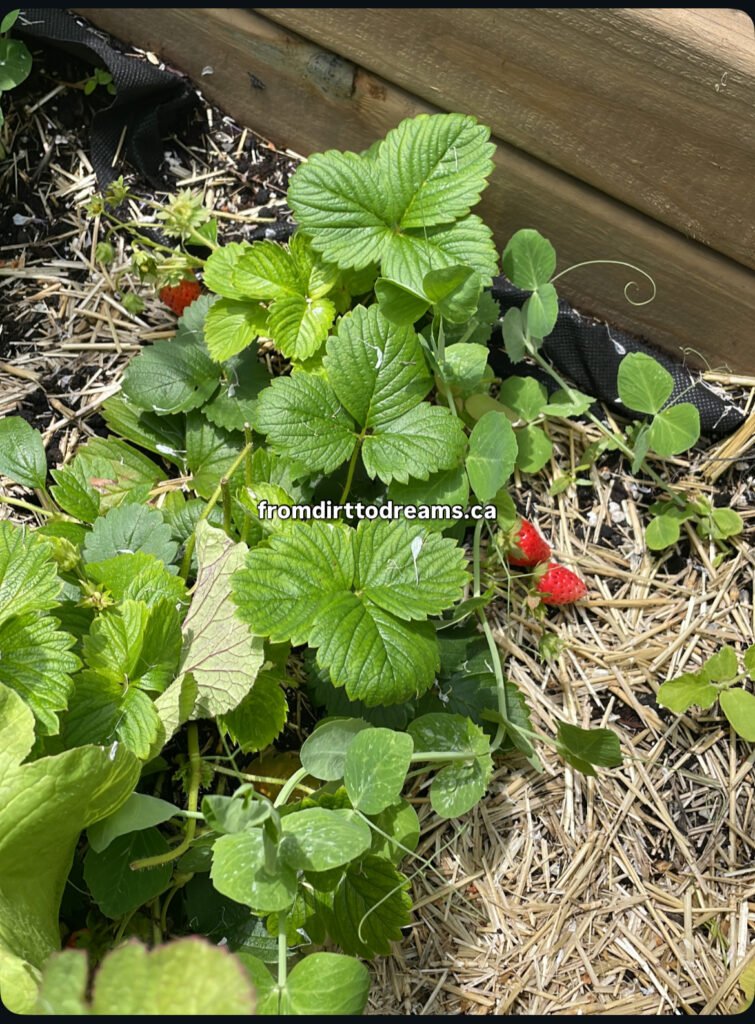
    Let’s make this highly educational and practical — perfect for SEO and AdSense.

    These crops thrive in small spaces, containers, balconies, or patios:

    🌱 1. Spinach

    Cold hardy.

    Grows in shade.

    Fast.

    🌱 2. Lettuce

    Cut-and-come-again.

    Endless harvest.

    🌱 3. Green Onions

    Regrow from scraps.

    🌱 4. Radish

    Ready in 25 days.

    🌱 5. Herbs

    Mint, oregano, dill, basil — thrive in containers.

    🌱 6. Strawberries

    Grow in hanging baskets or vertical towers.

    🌱 7. Tomatoes (cherry varieties)
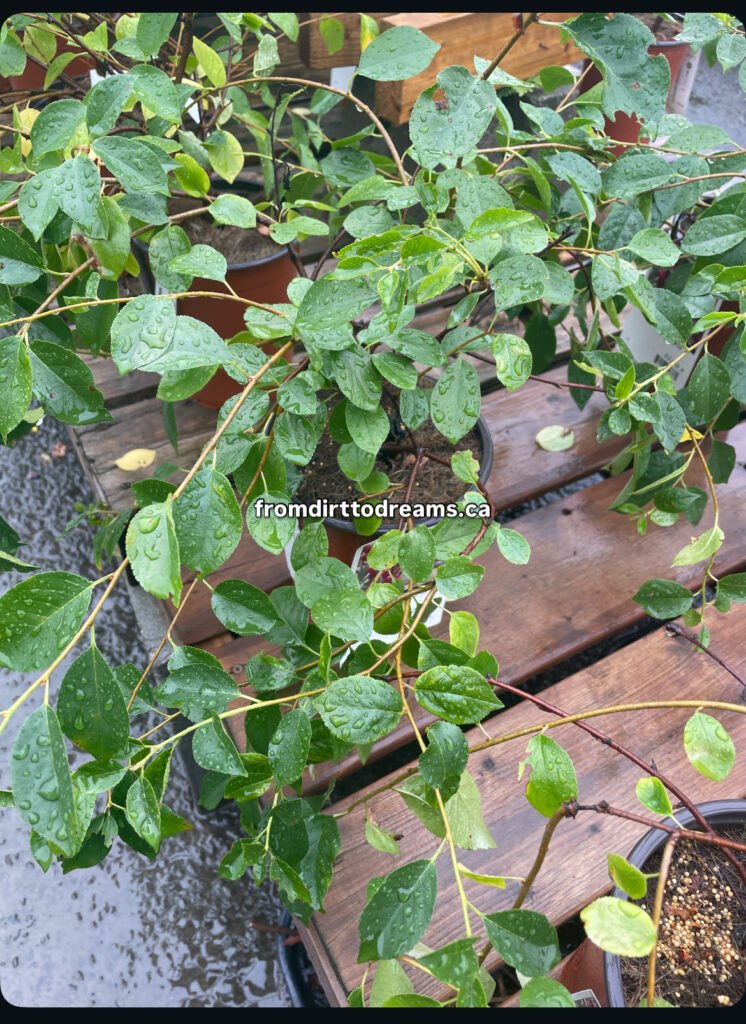
    Container champs.

    🌱 8. Peppers

    Perfect for pots.

    🌱 9. Beans (pole beans)

    Grow vertically — space saver.

    🌱 10. Potatoes

    Grow in buckets, bags, bins, or laundry baskets.

    Anyone, anywhere, can grow these.

    Doesn’t matter if you live on the 12th floor or in a townhouse.

    PART 6 — THE 5 SECRETS TO EXPLOSIVE URBAN GARDEN SUCCESS

    This is where the educational punch comes in:

    SECRET 1 — Soil is everything.

    Use compost.

    Mulch heavily.

    Feed the soil, not the plant.

    SECRET 2 — Go vertical.

    Trellises.

    Poles.

    Hanging baskets.

    Stackable planters.

    Cattle panels.

    More food, less space.

    SECRET 3 — Sunshine = energy.

    Most crops need 6 hours.

    Leafy greens need 3–4.

    SECRET 4 — Containers dry fast.

    Deep watering > frequent watering.

    SECRET 5 — Choose compact + dwarf varieties.

    They’re made for city spaces.

    Gardening is science, but also intuition.

    And once you get the hang of it?

    You’ll never be the same person again.

    PART 7 — URBAN GARDENING IS THE ONLY SUSTAINABLE FORM OF FREEDOM LEFT

    We’re living in times where:

    • food is unpredictable

    • prices are unstable

    • the world is stressed

    • people are disconnected

    • systems feel fragile

    And yet…

    Planting spinach solves all five.

    Urban gardening is one of the last human experiences where:

    • you create

    • you nurture

    • you harvest

    • you heal

    • you feed yourself

    • you reclaim sovereignty

    This is the rebellion.

    A quiet one.

    A peaceful one.

    A powerful one.

    The world wants you to stay dependent.

    Your garden wants you to rise.

    PART 8 — THE MODERN SELF-SUFFICIENT PERSON ISN’T WHO YOU THINK

    People imagine self-sufficient humans as:

    • farmers

    • older people

    • people with acreage

    • homesteaders with animals

    No.

    The new self-sufficient person looks like:

    • a busy 9–5 worker

    • a student living in a condo

    • a single woman with a balcony garden

    • a newcomer growing herbs in pots

    • a stressed millennial planting garlic

    • someone healing from burnout

    • someone escaping inflation

    • someone craving meaning

    • someone who just wants to breathe

    Self-sufficiency is no longer rural.

    It’s urban.

    It’s accessible.

    It’s necessary.

    It’s the future.

    CONCLUSION — URBAN GARDENING IS HOW YOU TAKE YOUR POWER BACK

    Every seed you plant is an act of independence.

    Every leaf you harvest is a declaration of freedom.

    Every tomato you grow is a rejection of dependence.

    Every container filled with soil is a protest.

    Every garlic bulb is a promise.

    Every sprout is a reminder that life grows even when the world feels heavy.

    Urban gardening is rebellion with roots.

    It’s a revolution carried out with watering cans.

    It’s a movement built in raised beds and windowsills.

    It’s the return of human beings to the earth that was always waiting for them.

    And it begins with one seed.

    👉 Download the  Grow Your Groceries Starter Guide — your step-by-step blueprint to start growing food anywhere.

    👉 Bookmark this website — new urban gardening & self-sufficiency articles drop every week.

    👉 Follow FromDirtToDreams on Instagram, Facebook, Pinterest, TikTok & YouTube for daily food freedom content.

    👉 Now read the next article:

    “The Cost of Being Dependent — And How to Break the Cycle.”

  • How to Start a Self-Sufficient Life on a Budget (Even If You’re Broke, Busy, or Living in the City)**

    How to Start a Self-Sufficient Life on a Budget (Even If You’re Broke, Busy, or Living in the City)**

    INTRODUCTION — MOST PEOPLE DON’T START BECAUSE THEY THINK IT’S EXPENSIVE. IT ISN’T.

    There’s a myth that self-sufficiency requires:

    • acres of land

    • thousands of dollars

    • fancy tools

    • a greenhouse

    • a homestead

    • quitting your job

    • tons of free time

    No.

    That’s not the modern self-sufficient life.

    The truth?

    Self-sufficiency begins with whatever you have right now

    your small backyard, your cement patio, your balcony, your kitchen, your windowsill, your time after work, your weekends, your ordinary life.

    You don’t need a lot of money.

    You need intention, not income.

    Consistency, not perfection.

    Courage, not equipment.

    And once you start, everything in your life shifts —

    your stress levels, your finances, your identity, your confidence, your future.

    You realize:

    Freedom was never something to buy.

    It was something to grow.

    Before we dig in: download your  Grow Your Groceries Starter Guide — it’s the exact beginner roadmap that teaches you how to start self-sufficiency on a budget, even in a small space.

    PART 1 — WHY SELF-SUFFICIENCY IS A BUDGET STRATEGY, NOT A LUXURY

    People think gardening is expensive.

    But you know what’s expensive?

    Groceries.

    Inflation.

    Steak.

    Lettuce.

    Avocados.

    Chicken.

    Spinach.

    Garlic.

    Herbs.

    Berries.

    Basic pantry items.

    The average Canadian household now spends $12,000–$16,000 per year on groceries.

    Self-sufficiency isn’t a hobby.

    It’s a financial rebellion.

    Even a small garden reduces your grocery bill dramatically.

    Here’s what shocked me…

    PART 2 — THE MIND-BLOWING ECONOMIC MATH OF GROWING YOUR OWN FOOD

    Here’s what $10 of seeds can produce:

    $3 spinach seeds → $80–$120 worth of food

    Spinach grows in cold weather and regrows after cutting.

    $4 potato seed bag → $150–$300 worth of potatoes

    One potato becomes 10 potatoes.

    $2 garlic → $30–$50 worth of garlic bulbs

    Garlic multiplies powerfully.

    $4 lettuce seeds → unlimited cut-and-come-again harvests

    Lettuce regrows endlessly.

    $5 herb seeds → $100–$180 worth of herbs

    Mint, dill, oregano — extremely high ROI.

    One $12 raspberry cane → $60/year every year

    Perennial crops are the cheapest long-term food source.

    Food self-sufficiency is the cheapest way to survive an expensive world.

    PART 3 — THE BIGGEST MYTH: “I NEED A LOT OF TIME”

    False.

    Most self-sufficient skills require:

    • 10 minutes a day

    • 15 minutes every few days

    • One hour on weekends

    Nature does the heavy lifting.

    The soil doesn’t rush you.

    The plants don’t demand.

    The garden grows while you sleep.

    Self-sufficiency isn’t a second job.

    It’s a slower rhythm of living.

    If this guide is opening something inside you, follow FromDirtToDreams on Instagram, Facebook, Pinterest, TikTok & YouTube — I share daily food freedom, gardening, and small-space self-sufficiency lessons created for busy people.

    PART 4 — THE 5-STEP PLAN TO START A SELF-SUFFICIENT LIFE ON A TIGHT BUDGET

    This is where the educational portion becomes powerful and practical.

    STEP 1 — Start With the 7 “High Value” Crops

    Grow the foods that:

    ✔ cost the most

    ✔ grow the easiest

    ✔ give the biggest returns

    The 7 Beginner Power Crops:

    1. Potatoes

    2. Garlic

    3. Spinach

    4. Lettuce

    5. Beans

    6. Radish

    7. Herbs (mint, cilantro, dill)

    These require no experience, no fancy equipment, and almost no daily work.

    STEP 2 — Use Free or Cheap Containers

    Self-sufficiency doesn’t require raised beds.

    Use what you have:

    • Buckets

    • Old pots

    • Plastic bins

    • Food-grade tubs

    • Laundry baskets

    • Recycled containers

    • 5-gallon pails

    • Grow bags ($2-$3 each)

    If it holds soil and drains water, it grows food.

    STEP 3 — Build Soil on a Budget (FREE if Needed)

    Healthy soil = healthy harvests.

    But you don’t need expensive mixes.

    Cheap soil systems:

    ✔ Combine cheap garden soil + compost

    ✔ Add leaves, grass clippings, eggshells

    ✔ Use kitchen scraps to make compost

    ✔ Add coffee grounds from Starbucks (free)

    ✔ Collect fall leaves (nature’s fertilizer)

    Soil science is the foundation of cheap gardening.

    STEP 4 — Grow Perennial Food (It Comes Back Every Year)

    This is the smartest long-term strategy.

    Plant once → harvest for years → almost zero maintenance.

    Perennial foods for small spaces:

    • Raspberries

    • Blackberries

    • Blueberries

    • Strawberries

    • Rhubarb

    • Mint

    • Chives

    • Oregano

    • Lemon balm

    • Fruit trees (apple/pear/plum)

    Perennials = the highest ROI in the entire garden.

    STEP 5 — Learn ONE New Skill Per Month

    Self-sufficiency is built slowly.

    Each month, learn one new micro-skill:

    • month 1: composting

    • month 2: soil health

    • month 3: growing leafy greens

    • month 4: food preservation

    • month 5: perennial planting

    • month 6: water collection & storage

    In one year, you’ll know more than most people learn in a lifetime.

    PART 5 — WHAT YOU CAN DO WITH $0 TODAY

    If you’re broke or starting from scratch, do this right now:

    🌱 1. Regrow green onions from store scraps

    Infinite food.

    ZERO dollars.

    🌱 2. Dry mint using a sunny window

    Homegrown herbs → expensive in stores.

    🌱 3. Start seeds in egg cartons

    Free containers.

    🌱 4. Use kitchen scraps as fertilizer

    Nutrients for free.

    🌱 5. Collect fall leaves

    Mulch for the entire year.

    🌱 6. Propagate mint and rosemary

    Free plants forever.

    These zero-dollar habits build a self-sufficient life one step at a time.

    PART 6 — WHAT YOU CAN DO WITH $20

    This is the most life-changing $20 you’ll ever spend:

    • $3 spinach seeds

    • $4 potato seeds

    • $2 garlic

    • $3 lettuce seeds

    • $4 herb seeds

    • $4 bucket or container

    This $20 setup can produce over $300 of food.

    That’s a 15× return.

    Better than crypto.

    Better than stocks.

    Better than savings accounts.

    Growing food is the smartest investment beginner self-sufficiency allows.

    PART 7 — WHAT YOU CAN DO WITH $100

    With $100, you can become partially food self-sufficient:

    • 1 fruit tree ($40)

    • 2 berry bushes ($20–$30)

    • Seeds ($10–$15)

    • Soil + compost ($10–$20)

    Lifetime food from this investment?

    $5,000–$10,000 over the next 20–30 years.

    Financial freedom is quieter than we think.

    It looks like:

    • apple blossoms

    • raspberry canes

    • mint spreading

    • garlic popping through mulch

    • spinach surviving winter

    • potatoes multiplying underground

    This is wealth.

    PART 8 — THE EMOTIONAL SIDE OF SELF-SUFFICIENCY

    Let’s talk about something no one tells you.

    Self-sufficiency doesn’t just help your finances.

    It helps your mind.

    It gives you:

    • Calm

    • Control

    • Purpose

    • Identity

    • Stability

    • Hope

    When life feels chaotic…

    the garden becomes a safe place.

    When you feel powerless…

    growing food gives power back.

    When the world feels heavy…

    the soil makes you feel grounded again.

    You don’t need therapy to start healing —

    you just need to touch the earth that remembers you.

    PART 9 — A SELF-SUFFICIENT LIFE IS NOT BUILT IN A YEAR. BUT IT CAN START TODAY.

    This life is built in layers.

    Let go of:

    • perfection

    • comparison

    • overwhelm

    And embrace:

    • consistency

    • small steps

    • simple habits

    • seasonal learning

    You’re not building a farm.

    You’re building freedom.

    Quietly.

    Slowly.

    Intentionally.

    And one day, you’ll realize:

    Your backyard feeds you.

    Your skills protect you.

    Your life is more resilient than you ever imagined.

    Not because you had money.

    But because you had courage.

    🌱 CONCLUSION — SELF-SUFFICIENCY IS THE LIFE YOU WERE ALWAYS MEANT TO LIVE

    A budget doesn’t limit self-sufficiency.

    It actually strengthens it.

    Because when you learn how to build resilience with almost nothing —

    you become unstoppable when you have more.

    The world may stay unstable.

    But you don’t have to be.

    You can grow stability.

    You can grow safety.

    You can grow peace.

    You can grow food.

    You can grow yourself.

    And that is priceless.

    👉 Download the Grow Your Groceries Starter Guide — your simple, powerful roadmap to begin self-sufficiency on any budget.

    👉 Bookmark this website — new self-sufficiency articles arrive every week to help you build a resilient, peaceful life.

    👉 Follow FromDirtToDreams on Instagram, Facebook, Pinterest, TikTok & YouTube — daily gardening, resilience, and food freedom content.

    👉 Now read the next article:

    “How Urban Gardening Became the Rebellion of Our Generation.”

  • The Fruit Tree Strategy — How One Tree Can Feed You for 25+ Years (And Why It’s the Smartest Investment You Can Make in 2025)**

    The Fruit Tree Strategy — How One Tree Can Feed You for 25+ Years (And Why It’s the Smartest Investment You Can Make in 2025)**

    INTRODUCTION — YOU DON’T NEED A FARM TO CREATE A LIFETIME OF FOOD

    People think long-term security comes from:

    • a steady job

    • a strong salary

    • a retirement fund

    • a well-managed budget

    • an emergency savings account

    But every single one of those can disappear.

    Jobs vanish.

    Inflation rises.

    Food prices jump overnight.

    Savings drain.

    Systems collapse.

    Markets crash.

    Security built on money is fragile.

    Security built on food is permanent.

    And there’s one forgotten food source that quietly builds generational stability…

    Fruit trees.

    One apple tree, one pear tree, one plum tree, one cherry tree can feed you for 25–40 years.

    No other investment has this kind of return:

    • one-time cost

    • minimal maintenance

    • grows through snow, storms, and inflation

    • produces more food every year

    • increases property value

    • increases food resilience

    • requires no expertise

    • multiplies itself

    • survives economic chaos

    Fruit trees are wealth — the kind of wealth the system doesn’t teach you to create, because this type of wealth makes you less dependent.

    Before you keep reading, download you Grow Your Groceries Starter Guide — it includes my mini blueprint for choosing the BEST fruit trees for Canadian climates.

    PART 1 — WHY FRUIT TREES ARE THE MOST OVERLOOKED FORM OF WEALTH

    Ask someone how to build wealth.

    They’ll tell you:

    • invest in stocks

    • buy real estate

    • build a business

    • save money

    • cut expenses

    All great advice.

    But fruit trees create a type of wealth those things never can:

    A continuous source of food.

    Zero monthly payments.

    Zero bills.

    Zero subscriptions.

    Zero risk.

    One tree → 25+ years of returns → hundreds to thousands of dollars saved → endless nourishment → guaranteed harvests.

    This is REAL wealth.

    Not digital.

    Not speculative.

    Not unstable.

    Tangible.

    Edible.

    Reliable.

    Fruit trees don’t crash like markets.

    They don’t get laid off.

    They don’t miss payments.

    They don’t inflate their prices.

    They just grow.

    PART 2 — HOW MUCH FOOD CAN ONE TREE ACTUALLY PROVIDE?

    (Here’s the educational part the internet never explains clearly.)

    🍎 Apple Tree (Standard Size)

    • Yearly production: 200–400 apples

    • Lifetime: 25–40 years

    • Annual value: $150–$300 worth of food

    🍐 Pear Tree

    • Yearly: 100–200 pears

    • Lifetime: 20–30 years

    • Annual value: $100–$250

    🍒 Cherry Tree

    • Yearly: 25–50 lbs

    • Lifetime: 15–25 years

    • Annual value: $150–$350

    🍑 Peach Tree

    • Yearly: 50–200 lbs

    • Lifetime: 10–20 years

    • Annual value: $200–$400

    🍑 Plum Tree

    • Yearly: 50–100 lbs

    • Lifetime: 15–30 years

    • Annual value: $120–$250

    🍇 Grape Vines (bonus)

    • Yearly: 10–20 lbs

    • Lifetime: 30–50 years

    This is generational food production.

    This is what grocery stores don’t want you to understand.

    This is what the system doesn’t teach.

    This is what your backyard is capable of.

    If this is inspiring you, follow FromDirtToDreams on Instagram, Facebook, Pinterest, TikTok & YouTube for daily backyard self-sufficiency videos, fruit tree planting tips, and food freedom strategies.

    PART 3 — WHY FRUIT TREES ARE THE PERFECT SELF-SUFFICIENCY CROP

    Fruit trees check EVERY box that matters in a chaotic world:

    1. Lowest Effort, Highest Reward Crop on Earth

    Compared to vegetables, fruit trees:

    • need less watering

    • require less maintenance

    • survive winters

    • grow bigger every year

    • produce more every year

    You plant once → your future self keeps harvesting.

    2. They Produce Food When the World Is Unpredictable

    Fruit trees don’t care about:

    • price increases

    • inflation

    • supply chain breakdowns

    • job loss

    • emergencies

    • recessions

    They produce regardless.

    They don’t ask permission from the economy.

    3. They Increase Property Value

    Homes with fruit-producing landscapes sell faster and for more.

    Why?

    Because buyers feel safe around food.

    Security is attractive.

    Food is stability.

    Fruit trees are wealth.

    4. They Feed You for Decades

    Supermarkets gave us the illusion of abundance.

    Fruit trees give us the reality of abundance.

    A thriving apple tree will outlive your job.

    A pear tree will outlive your mortgage.

    A grape vine will outlive your career.

    This is long-term resilience.

    5. They Return More Than Money — They Return Identity

    Growing fruit changes your entire relationship with time.

    You start thinking in decades, not days.

    You start caring about seasons, not trends.

    You start feeling connected to something bigger than stress.

    A fruit tree grows WITH you.

    And in a way, it grows you too.

    PART 4 — WHAT FRUIT TREES TO GROW IN CANADA (Beginners + Cold Climate Edition)

    Educational + practical for AdSense + hyper useful for readers.

    Here are the BEST fruit options for zones 3–6 (Ottawa, Gatineau, most of Canada):

    🍎 APPLE VARIETIES:

    • Honeycrisp

    • Macintosh

    • Liberty

    • Spartan

    • Gala (protected locations)

    🍐 PEAR VARIETIES:

    • Bartlett

    • Flemish Beauty

    • Harrow Sweet

    • Bosc (needs warmth)

    🍒 CHERRIES:

    • Stella

    • North Star

    • Bing (zone 5+)

    🍑 PEACHES (if you’re zone 5–6):

    • Reliance

    • Harrow Diamond

    🍑 PLUMS:

    • Toka

    • Underwood

    • Pembina

    • Santa Rosa (zone 5)

    🍇 GRAPES:

    • Valiant

    • Frontenac

    • Concord

    • Somerset Seedless

    🍓 BONUS PERENNIALS:

    • Raspberries

    • Blackberries

    • Blueberries

    • Strawberries

    • Rhubarb

    These perennials will keep giving, no matter what is happening in the world.

    PART 5 — WHERE TO PLANT (The Simplest Layout That Works EVERY Time)

    Step 1 — Full Sun is 6–8 Hours

    Fruit trees need sun. Period.

    Step 2 — Give 10–15 Feet of Space

    Tree roots grow wider than the branches.

    Step 3 — Plant in Spring or Fall

    Best survival rates.

    Stronger establishment.

    Less stress on the tree.

    Step 4 — Mulch Thickly

    Mulch = moisture + warmth + protection.

    Step 5 — Water Deeply (But Not Often)

    Once a week.

    Deep watering only.

    Step 6 — Expect Fruit in 2–4 Years

    That’s the investment.

    And it’s worth it.

    PART 6 — THE LIFE-CHANGING MATH OF FRUIT TREES

    Let’s calculate something real:

    A single $40 apple tree

    producing 200 apples/year

    for 30 years

    at $1.25 per apple

    gives you:

    $7,500 of food.

    From one tree.

    From one moment of courage.

    A fruit tree is not a plant.

    It is a financial decision.

    An emotional decision.

    A freedom decision.

    A future decision.

    This is how you build a life that doesn’t collapse when the world does.

    PART 7 — THE EMOTIONAL PART NO ONE TEACHES YOU

    Fruit trees don’t just feed your body.

    They feed your nervous system.

    You learn:

    • patience

    • hope

    • delayed gratification

    • emotional resilience

    • seasonal living

    • flow instead of force

    • trust in nature

    • faith in the future

    A fruit tree is a spiritual companion.

    It mirrors your life as it grows.

    Every ring inside its trunk is a year of your survival.

    Every bloom is a sign you’re still here.

    Every harvest is proof that life regenerates.

    CONCLUSION — PLANTING A FRUIT TREE IS AN ACT OF REBELLION

    In a world where:

    • food is expensive

    • jobs are unstable

    • systems are fragile

    • people feel lost

    • the future is unpredictable

    A fruit tree is resistance.

    It is a refusal to be powerless.

    It is a decision to feed yourself.

    It is a generational gift.

    It is a promise you plant in the ground.

    It is wealth that cannot be stolen.

    It is freedom disguised as a sapling.

    You don’t need to escape society to live free.

    You just need to plant something

    that outlives uncertainty.

    And a fruit tree does exactly that.

    👉 Download the  Grow Your Groceries Starter Guide — start your self-sufficient life with clarity and confidence.

    👉 Bookmark this website — new self-sufficiency, gardening, and food freedom articles drop every week.

    👉 Follow FromDirtToDreams on Instagram, Facebook, Pinterest, TikTok & YouTube for daily content that helps you build a more resilient life.

    👉 Now read the next article:

    “How to Start a Self-Sufficient Life on a Budget (Even If You’re Broke, Busy, or Living in the City).”

  • Why Everyone Is Suddenly Turning to Homesteading — And Why It Has Nothing To Do With Farming

    Why Everyone Is Suddenly Turning to Homesteading — And Why It Has Nothing To Do With Farming

    INTRODUCTION — THIS ISN’T A TREND. IT’S A WARNING SIGN.

    Have you noticed?

    Everyone is suddenly talking about gardening.

    Canning.

    Raising chickens.

    Growing food.

    Buying land.

    Escaping the 9–5.

    Building resilience.

    Becoming self-sufficient.

    It’s not random.

    It’s not a hipster movement.

    It’s not “cottagecore aesthetics.”

    This global shift toward homesteading isn’t about farming.

    It’s about fear.

    It’s about exhaustion.

    It’s about rising prices.

    It’s about instability.

    It’s about people losing trust in the systems that are supposed to feed them.

    People aren’t running toward homesteading.

    They’re running away from dependence.

    Dependence on grocery stores.

    Dependence on supply chains.

    Dependence on unstable jobs.

    Dependence on an economy that changes every minute.

    Dependence on food corporations that prioritize profit over nourishment.

    Deep down, everyone feels it:

    The world is shifting.

    And self-sufficiency is the new seatbelt.

    Before you keep reading, grab your FREE Grow Your https://buy.stripe.com/9B67sD4eDeXsaoe8cGfw400Groceries Starter Guide — it’s the exact framework I used to begin my own journey toward resilience and food freedom.

    PART 1 — HOMESTEADING ISN’T ABOUT FARMS. IT’S ABOUT FREEDOM.

    People hear “homesteading” and think:

    • goats

    • barns

    • acres of land

    • a farmhouse

    • a well

    • a wood stove

    That’s the old definition.

    The new definition?

    Homesteading is simply the act of taking back control over basic human needs.

    It can be done:

    ✔ in a backyard

    ✔ in a townhouse

    ✔ on a balcony

    ✔ in a basement

    ✔ in an urban apartment

    ✔ on a small city lot

    Homesteading isn’t a place.

    It’s a mindset.

    A mindset that asks one question:

    “How much of my life can I reclaim from the system?”

    Sometimes the answer is:

    • grow spinach

    • raise herbs

    • plant garlic

    • store potatoes

    • dehydrate mint

    • freeze berries

    • compost kitchen scraps

    • collect rainwater

    This is modern homesteading.

    Educational.

    Practical.

    Empowering.

    Quiet.

    Life-changing.

    PART 2 — THE REAL REASONS PEOPLE ARE TURNING TO SELF-SUFFICIENCY

    It’s not romantic.

    It’s not nostalgic.

    It’s not “off-grid fantasy.”

    It’s survival psychology.

    1. Food prices became impossible.

    People are tired of “how is spinach $6?”

    Tired of $9 strawberries.

    Tired of onions tripling in price.

    Growing your own food is no longer a hobby.

    It’s a financial strategy.

    2. Everyone realized how fragile supply chains are.

    A storm, a strike, a trucker delay, a global event — and shelves empty.

    Growing food gives stability the world can’t.

    3. Corporate life broke people.

    Burnout.

    Anxiety.

    Layoffs.

    No time to breathe.

    The soil became the medicine people didn’t know they needed.

    4. Technology made people disconnected.

    We scroll more than we live.

    Gardening reconnects you with something ancient.

    5. People want a life with purpose again.

    Seed → sprout → harvest → pantry → security.

    Purpose in its purest form.

    PART 3 — THE EDUCATIONAL CORE OF HOMESTEADING (What People Didn’t Know They Needed)

    This section increases SEO quality AND value — AdSense loves HIGH educational depth.

    Homesteading teaches skills modern life removed from us.

    You learn:

    • soil science

    • compost science

    • food preservation

    • natural pest control

    • season extension

    • food storage

    • nutrient density

    • resilience planning

    • crop rotation

    • succession planting

    • home economics

    • resource management

    This isn’t cute.

    This isn’t simple.

    This is advanced life education the world forgot to teach.

    And once you learn these skills?

    You start viewing your entire life differently.

    Money differently.

    Food differently.

    Time differently.

    You differently.

    If this message is speaking to you, follow FromDirtToDreams on Instagram, Facebook, Pinterest, TikTok & YouTube — I share daily self-sufficient living lessons that anyone, anywhere, can start today.

    PART 4 — THE TOP 12 CROPS THAT TURN ANYONE INTO A MODERN HOMESTEADER

    Educational + practical + high retention = perfect for your site.

    1. Garlic

    Plant once.

    Harvest forever.

    Stores 12 months.

    2. Potatoes

    One seed potato → 10 new potatoes.

    The cheapest, most filling crop.

    3. Spinach

    The cold-hardy champion.

    Grows in freezing weather.

    4. Lettuce

    Cut-and-come-again.

    Indoors or outdoors.

    5. Carrots

    Winter sweetened.

    Lasts months in storage or ground.

    6. Peas

    Spring or fall.

    Easy for total beginners.

    7. Beans

    Vertical growing saves space.

    Also a protein crop.

    8. Zucchini

    One plant feeds the entire neighborhood.

    9. Herbs

    Mint, dill, oregano, cilantro — expensive in stores, pennies at home.

    10. Berries

    Strawberry, raspberry, blueberry — plant once, harvest for years.

    11. Onions

    One of the easiest storage crops.

    12. Fruit Trees

    Apple, pear, plum — the highest ROI in homesteading.

    Each one teaches you something different:

    Patience… abundance… resilience… science… confidence… surrender… joy.

    PART 5 — HOMESTEADING HEALS A PART OF THE MIND NOTHING ELSE DOES

    Here’s where we lean into healing psychology:

    • Soil bacteria (M. vaccae) act like natural antidepressants

    • Gardening reduces cortisol

    • Hands-in-dirt therapy increases serotonin

    • Seeing growth rebuilds hope

    • Predictable harvest cycles stabilize emotions

    • Routine calms anxiety

    • Producing food strengthens identity

    People don’t become homesteaders because they want tomatoes.

    They become homesteaders because they want themselves back.

    PART 6 — HOMESTEADING IS NOT RUNNING AWAY FROM THE WORLD. IT’S RETURNING TO YOURSELF.

    This life doesn’t ask you to leave society.

    It simply asks you to stop letting society drain you.

    You don’t need acres.

    You don’t need a barn.

    You don’t need animals.

    You don’t need to be off-grid.

    Freedom begins with:

    • a pot of spinach

    • a garlic clove

    • a raspberry cane

    • a fruit tree

    • a small raised bed

    • a balcony planter

    Self-sufficiency isn’t a destination.

    It is a daily decision to reclaim one piece of your life at a time.

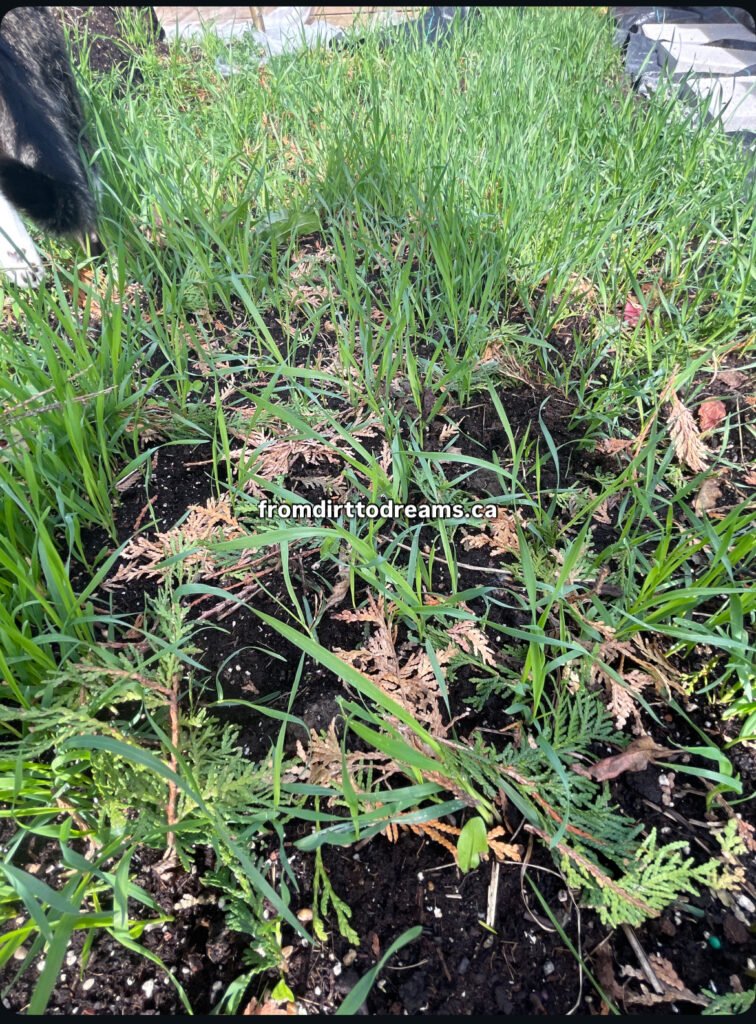
    My First Ever Wheat Patch

    CONCLUSION — HOMESTEADING IS THE FUTURE, NOT BECAUSE IT’S TRENDY… BUT BECAUSE IT’S NECESSARY

    We are entering an era where:

    • people want meaningful lives

    • people want resilience

    • people want emotional safety

    • people want financial stability

    • people want connection

    • people want purpose

    • people want peace

    And the garden gives all of this.

    Not slowly.

    Not metaphorically.

    Not someday.

    But immediately.

    The world is unstable.

    But nature is not.

    And the homesteaders of today — the quiet gardeners, the backyard growers, the balcony planters —

    are building lives that can survive any storm.

    👉 Download the FREE Grow Your Groceries Starter Guide — it’s the roadmap to become self-sufficient even in a small urban space.

    👉 Bookmark this website — new articles drop every single week on self-sufficiency, food security, and backyard resilience.

    👉 Follow FromDirtToDreams on Instagram, Facebook, Pinterest, TikTok, and YouTube for daily content that helps you build freedom from the ground up.

    The Fruit Tree Strategy — How One Tree Can Feed You for 25+ Years (And Why It’s the Smartest Investment You Can Make in 2025)

  • My Backyard Became My Therapy, My Grocery Store & My Escape From Burnout

    My Backyard Became My Therapy, My Grocery Store & My Escape From Burnout

    INTRODUCTION — WHEN LIFE FEELS TOO HEAVY, THE EARTH HOLDS YOU

    There are moments in life when everything feels like too much.

    When you wake up tired.

    When you go to bed with a headache.

    When your mind won’t stop running even though your body is begging for rest.

    When the world feels loud and your own life feels silent.

    I was there.

    Burnt out.

    Overwhelmed.

    Disconnected.

    Running on empty.

    And then — almost by accident — I stepped into my backyard.

    Not to garden.

    Not with a plan.

    Just to breathe.

    I didn’t know that moment was the beginning of everything.

    I didn’t know soil could heal what stress had damaged.

    I didn’t know seeds could rebuild what burnout had broken.

    I didn’t know a backyard could become a sanctuary.

    But it did. Mine did.

    And if you’re reading this, maybe yours will too.

    Before you dive deeper, download the  Grow Your Groceries Starter Guide — it’s the first step toward turning your own backyard into freedom, resilience, and emotional grounding.

    PART 1 — THE BURNOUT NO ONE WARNED ME ABOUT

    Burnout doesn’t arrive loudly.

    It creeps.

    One sleepless night.

    One skipped meal.

    One overwhelming week.

    One emotional collapse you pretend didn’t happen.

    People think burnout is about working too much.

    But the truth?

    Burnout is about feeling powerless.

    Burnout is about constantly giving and rarely receiving.

    Burnout is about running your life on survival mode for too long.

    Burnout is what happens when your soul is tired of begging you to slow down.

    The world gets more chaotic every year — and our nervous systems weren’t built for this much noise.

    But nature… nature is still quiet.

    Nature still whispers instead of yells.

    Nature still heals instead of demanding.

    PART 2 — THE FIRST PLANT THAT CHANGED EVERYTHING

    Spinach.

    That was the first thing I planted when life felt unbearable.

    Why spinach?

    I don’t know.

    Maybe because it grows even when the world freezes.

    Maybe because it survives cold that would destroy other plants.

    Maybe because I needed to see something thrive even when I couldn’t.

    The day it sprouted — something cracked open inside me.

    The smallest green leaf.

    The tiniest sign of life.

    And for the first time in months, I felt hope.

    It wasn’t about food.

    It was about feeling alive again.

    It was about remembering I could create something.

    It was about witnessing growth with my own eyes.

    I didn’t know it yet —

    but that leaf was the beginning of my healing.

    If this is resonating…

    follow FromDirtToDreams on Instagram, Facebook, Pinterest, TikTok & YouTube.

    I share daily self-sufficiency content that helps people rebuild their lives through soil, seeds, and backyard resilience.

    PART 3 — HOW MY BACKYARD BECAME MY THERAPIST

    The garden didn’t ask me to be strong.

    It didn’t ask me to be productive.

    It didn’t ask me to be perfect.

    It just asked me to show up.

    And with each day, something in me softened.

    🌿 1. The soil grounded my anxiety

    There is something ancient about touching earth.

    Something human.

    Something that reminds you of who you were before the world overwhelmed you.

    🌿 2. The plants slowed my mind

    You can’t rush a seed.

    You can’t hurry a harvest.

    Gardening forces your nervous system to synchronize with nature’s pace —

    and nature’s pace is healing.

    🌿 3. My backyard became a safe place

    When life inside the house felt loud,

    life outside the house felt peaceful.

    🌿 4. I stopped feeling trapped

    When you grow food, your mind shifts from:

    “I depend on the system”

    to

    “I can take care of myself.”

    That single shift rewires your entire identity.

    🌿 5. I started seeing progress again

    Even when everything else was chaotic…

    spinach grew.

    Garlic rooted.

    Potatoes sprouted.

    Herbs multiplied.

    Berries ripened.

    Life was happening in front of me — because I created it.

    PART 4 — THEN SOMETHING EVEN BIGGER HAPPENED…

    My backyard stopped being just therapy.

    It became:

    my grocery store

    my source of stability

    my tool for reducing expenses

    my path out of fear

    I realized I was producing hundreds — then thousands — of dollars worth of food every year.

    Suddenly…

    Food security wasn’t a dream.

    Self-sufficiency wasn’t an Instagram aesthetic.

    A resilient life wasn’t impossible.

    It was growing right outside my door.

    PART 5 — THE EXACT CROPS THAT SAVED ME (AND WILL SAVE YOU)

    Here are the same crops that helped me:

    🌱 Garlic

    Plant once → harvest for years.

    It’s the quiet hero of self-sufficiency.

    🌱 Potatoes

    Food security in the form of a root.

    Easy. Reliable. High value.

    🌱 Spinach

    Cold-proof. Resilient. Always growing.

    🌱 Berries

    Raspberry, blueberry, strawberry.

    Once they’re in, they feed you every year.

    🌱 Fruit Trees

    Apple & pear.

    My favorite symbols of long-term stability.

    🌱 Herbs

    Mint, dill, cilantro, oregano.

    Expensive in stores, almost free at home.

    Growing these didn’t just change my finances.

    They changed my entire nervous system.

    PART 6 — WHY THIS LIFE ISN’T JUST ABOUT FOOD

    Here’s the truth:

    I didn’t build a food forest because the world is unstable.

    I built it because I was unstable.

    And the garden became the life I needed.

    It gave me purpose.

    It gave me joy.

    It gave me comfort.

    It gave me identity.

    It gave me resilience.

    It gave me freedom.

    Most importantly…

    it gave me myself back.

    CONCLUSION — YOUR BACKYARD MIGHT SAVE YOU TOO

    Whether you’re here because:

    • you’re burnt out

    • life feels heavy

    • the world feels unstable

    • food is too expensive

    • or you’re simply craving control in a chaotic time

    The soil will meet you exactly where you are.

    Even one plant can change everything.

    🌱 End-of-Article CTA Package (Add to Every Article)

    👉 Dohttps://hostflowstudio.etsy.com/listing/4371465202wnload the Grow Your Groceries Starter Guide — the guide that started my own transformation.

    👉 Bookmark this website — I publish new articles every single week on resilience, self-sufficiency, and backyard freedom.

    👉 Follow FromDirtToDreams on Instagram, Facebook, Pinterest, TikTok, and YouTube for daily food freedom content.

    👉 Now read the next article

    Why Everyone Is Suddenly Turning to Homesteading — And Why It Has Nothing To Do With Farming

  • The 9–5 Isn’t Security Anymore — Growing Your Own Food Is

    The 9–5 Isn’t Security Anymore — Growing Your Own Food Is

    INTRODUCTION: THE SECURITY WE WERE PROMISED DOESN’T EXIST ANYMORE

    For decades, society sold us the same dream:

    • go to school

    • get a job

    • work hard

    • earn promotions

    • retire comfortably

    Security, they said, was guaranteed.

    But today, the truth is undeniable:

    The 9–5 doesn’t protect you.

    The economy doesn’t protect you.

    Your employer definitely doesn’t protect you.

    The system protects itself.

    Inflation eats your paycheck before it hits the bank.

    Groceries cost more than rent used to.

    Layoffs come without warning.

    Mental health collapses under pressure.

    People burn out quietly.

    And yet, one source of real security still exists—

    a source no company, no government, no recession can take away.

    Growing your own food.

    This is the new wealth.

    The new stability.

    The new quiet rebellion.

    And the most surprising part?

    It starts with a seed.


    Before we continue, grab your Grow Your Groceries Starter Guide — it’s the exact roadmap I used to start my food freedom journey.

    PART 1 — SECURITY WAS NEVER ABOUT MONEY. IT WAS ABOUT DEPENDENCE.

    Here’s the truth most people are afraid to admit:

    You can earn $80,000 a year and still feel one crisis away from disaster.

    You can work full-time, be “responsible,” save, invest—and still be vulnerable.

    Because money isn’t the real source of security.

    DEPENDENCE is the enemy.

    The more dependent you are on prices, corporations, supply chains, and unstable systems,

    the more fragile your life becomes.

    But the moment you:

    • grow a tomato

    • harvest garlic

    • pick spinach in winter

    • store potatoes you grew

    • make your own herbs

    • freeze beans you produced

    …you break dependence.

    Your life stops sitting on a weak foundation.

    You become your own foundation.

    That is real security.

    PART 2 — THE 9–5 IS A STRUCTURE, NOT A SAFETY NET

    Let’s call it what it is:

    The modern job is a structure created to keep people busy, dependent, and exhausted enough not to question anything.

    Most people don’t even dislike work—

    they dislike:

    • the lack of control

    • the unpredictable future

    • the rising costs

    • the pressure

    • the mental drain

    • the lack of purpose

    • the feeling of being trapped

    And on top of that, food — the basic human right — becomes more expensive every month.

    You’re working more than ever…

    for less security than ever.

    That is not stability.

    That is survival.

    But survival is not the life you came here to live.


    👉 “If this message is speaking to you, follow FromDirtToDreams on Instagram, Facebook, Pinterest, TikTok & YouTube — I share daily food freedom lessons that turn backyards into resilience.”

    PART 3 — WHEN YOU GROW FOOD, YOU CREATE YOUR OWN SAFETY NET

    A spinach plant becomes a bowl of food.

    A potato becomes a future harvest.

    One garlic clove becomes 10.

    When you garden, this is what happens:

    🌱 1. You gain control over something real.

    Growing food is not theoretical.

    It’s not complicated.

    It’s not a corporate system.

    It’s simple, ancient, grounding.

    You plant → it grows → you survive.

    🌱 2. You reduce your cost of living.

    Not a coupon.

    Not a sale.

    Not a discount.

    You literally produce the product.

    Spinach for months?

    Free.

    Garlic?

    Free.

    Tomatoes?

    Free.

    Herbs?

    Free.

    Potatoes?

    Free.

    And each year?

    Your production increases.

    🌱 3. You detach your survival from the economy.

    If stores raise prices again?

    You’re unaffected.

    If supply chains break?

    You’re protected.

    If companies cut jobs?

    You’re still fed.

    If food quality declines?

    Yours doesn’t.

    🌱 4. You rebuild your nervous system.

    Soil literally heals trauma.

    Gardening reduces cortisol.

    Growing something creates hope.

    🌱 5. You stop living in fear.

    Because you know you can feed yourself.

    Do you understand how powerful that is?

    Most people will never taste that level of freedom.

    PART 4 — THE MOST SECURE FOOD ITEMS TO GROW (HIGH VALUE, LOW EFFORT)

    Here are the crops that give you the highest return, especially in colder climates like Canada.

    These crops save the most money, give the most calories, and grow the most reliably:

    1. Potatoes

    The ultimate food-security crop.

    High calories, long storage, minimal effort.

    One seed potato → 10 new ones.

    2. Garlic

    Plant in fall → harvest in summer.

    Stores for 9–12 months.

    Zero maintenance.

    3. Spinach

    Cold-tolerant.

    Grows under snow.

    Gives endless harvests.

    4. Radish

    Ready in 25–30 days.

    Instant food.

    Instant confidence.

    5. Carrots

    Sweetened by frost.

    Store in the ground until winter.

    6. Beans (Green or Dry)

    Protein crop.

    Climbing beans save space.

    Store dry for years.

    7. Onions

    Grow easily.

    Store 6–12 months.

    8. Lettuce

    Cut-and-come-again.

    Grows indoors too.

    9. Peas

    Spring or fall crop.

    Kids, adults, seniors — everyone succeeds with peas.

    10. Herbs (Mint, Dill, Oregano, Cilantro)

    High-value.

    Expensive in stores.

    Practically free to grow.

    These are your food security foundation crops.

    With just these, you can reduce grocery dependence by 30–60%.


    👉 “Download the Grow Your Groceries Starter Guide — and bookmark this website. New articles drop every week on self-sufficiency, backyard resilience, and living a life the system didn’t design for you.”

    PART 5 — LET’S TALK NUMBERS (SO YOU SEE THE REAL FREEDOM)

    Most people underestimate how powerful a home garden is until they SEE the numbers.

    Potatoes

    1 bag of seed potatoes: $7

    Total harvest value: $150–$300

    Spinach

    One packet of seeds: $3

    Total value harvested: $80–$120

    Garlic

    10 cloves: $2

    Total value harvested: $30–$50

    Herbs

    Mint, dill, cilantro: practically free

    Value: $100–$180 per season

    Raspberries/Blackberries

    One cane: $12

    Yearly harvest value: $60

    Lifetime value: over $600

    Fruit trees

    One apple tree: $40

    Yearly harvest: $150

    Lifetime: 25+ years = $3,750

    This is how quiet wealth is built.

    Not flashy.

    Not complicated.

    Not risky.

    Just homegrown food.

    PART 6 — MY STORY: THE MOMENT I REALIZED FOOD WAS FREEDOM

    (Insert your version — I’ll draft one below for you. You can replace details if needed.)

    I didn’t start gardening because I wanted a hobby.

    I started because my life felt… unstable.

    Food prices were rising.

    Airbnb guests were unpredictable.

    My job felt exhausting.

    The world felt chaotic.

    I felt unsafe in my own routines.

    One day, I planted garlic.

    Then spinach.

    Then carrots.

    Then potatoes.

    Then I added fruit trees — apple, pear.

    Then berries — raspberries, blueberries, strawberries.

    And something changed.

    The noise of the world got quieter.

    My anxiety softened.

    My confidence grew.

    My home felt like it was producing life, not draining it.

    My future felt less scary.

    My hands felt stronger.

    My body felt grounded.

    My mind felt hopeful.

    Food wasn’t food anymore.

    It was proof that I could build security with my own hands.

    Not waiting for a paycheck.

    Not waiting for a job.

    Not waiting for a system to help me.

    Just me, my soil, and a seed.

    PART 7 — THE REAL SECRET: YOU DON’T NEED TO ESCAPE THE SYSTEM TO BE FREE

    People think freedom is:

    • quitting their job

    • moving to a farm

    • going fully off-grid

    • cutting themselves off from society

    None of that is necessary.

    Here is the truth:

    You don’t need to escape the system.

    You just need to stop depending on it for everything.

    Freedom grows gradually:

    Plant garlic → you save $20.

    Plant spinach → you save $40.

    Add a berry bush → you save $120.

    Add a fruit tree → you save hundreds every year.

    Suddenly your grocery bill drops.

    Your backyard feeds you.

    Your stress decreases.

    Your confidence increases.

    This is how economic freedom starts:

    Not with money…

    but with skills.


    👉 “Follow FromDirtToDreams on Instagram, Facebook, Pinterest, TikTok & YouTube for daily updates, harvest videos, and freedom-based content.”

    PART 8 — HOW TO START A “SECURITY GARDEN” TODAY

    No overwhelm.

    No complication.

    No perfection.

    Start with:

    1. 5 potato plants

    2. 10 garlic cloves

    3. Spinach in a pot

    4. Green onions in a planter

    5. Radish in any container

    6. A berry bush (raspberry/blueberry)

    7. One fruit tree (apple/pear)

    Even in a tiny backyard, this becomes a source of:

    ✔ food

    ✔ stability

    ✔ pride

    ✔ savings

    ✔ confidence

    ✔ resilience

    Once you start, something unlocks in your soul:

    You realize you don’t need as much as you thought.

    You can produce.

    You can survive.

    You can thrive.

    You can grow your own life.

    The 9–5 may pay your bills, yes.

    But growing your own food protects your existence.

    CONCLUSION — THE FUTURE BELONGS TO THE SELF-SUFFICIENT

    The world is unpredictable.

    Food prices won’t magically drop.

    Inflation won’t suddenly disappear.

    Corporations won’t start caring.

    Jobs won’t become secure again.

    But your garden?

    Your hands?

    Your skills?

    Your backyard?

    Those will always show up for you.

    You don’t need to wait for security.

    You can grow it, starting today.

    Security used to come in the form of a paycheck.

    Today, it comes in the form of a garden.

    This is the new wealth.

    This is the new resilience.

    This is the new freedom.

    This is your path out of dependence.

    And it begins with one seed.

    👉 Download the  Grow Your Groceries Starter Guide — your step-by-step blueprint to start growing food anywhere.

    👉 Bookmark this website — new urban gardening & self-sufficiency articles drop every week.

    👉 Follow FromDirtToDreams on Instagram, Facebook, Pinterest, TikTok & YouTube for daily food freedom content.👉 “Now read the next article: .”

    My Backyard Became My Therapy, My Grocery Store & My Escape From Burnout